

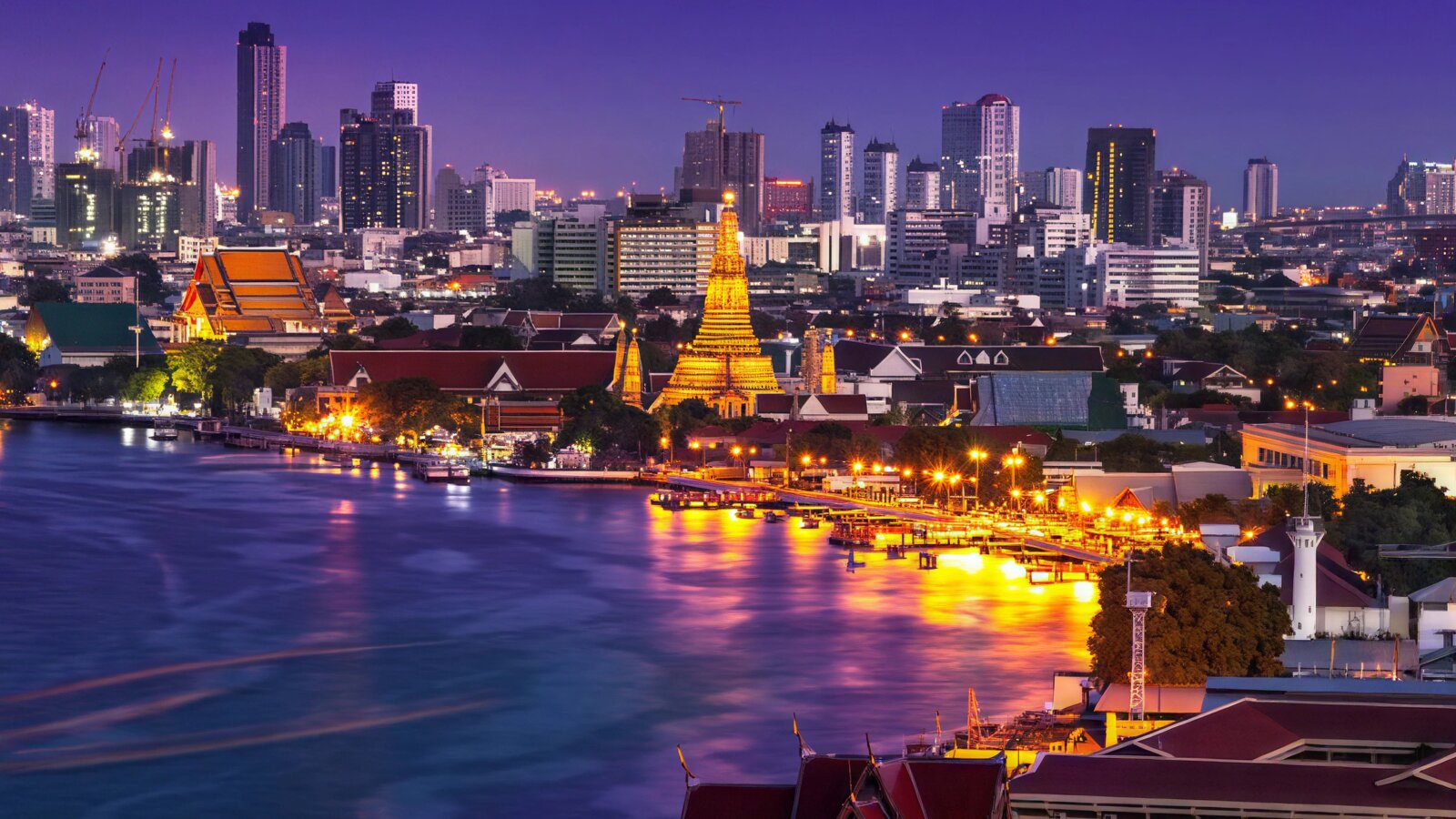
Few cities match Bangkok’s raw energy. It’s a sensory feast where century-old Buddhist traditions coexist with sleek modern design, dynamic neighborhoods, and world-famous street food.
Ornate temples frame skyline views of glass-and-steel skyscrapers, while modest night market stalls sit in the shadows of luxury high-rises.
Whether as a gateway to Thailand or a destination in its own right, Bangkok captivates with an intensity and variety few cities can rival.
What Makes Bangkok One of Asia’s Most Exciting Cities?
As Thailand’s capital and cultural center, Bangkok offers a sheer scale and variety that dazzles first-time visitors and keeps repeat travelers returning year after year.
Why is Bangkok so popular with tourists?
- Layered Contrasts: Sacred centuries-old historic landmarks coexist with futuristic high-rises and rooftop bars.
- Neighborhood Diversity: Each district functions as a mini-city with its own personality, from quiet residential coffee corridors to neon-lit night markets.
- Unmatched Food Culture: From Michelin-starred street food to experimental fine dining, Bangkok is one of the world’s absolute premier food destinations.
- Dynamic River & Nightlife: Life centers around the bustling Chao Phraya River by day and shifts to high-energy night markets and cocktail lounges after dark.
- Accessibility: Excellent transport links, high-end hospitality at competitive rates, and incredible variety make it equally appealing to budget backpackers, luxury travelers, families, and solo explorers.
Visit Some of Thailand’s Most Spectacular Temples
Temple culture is one of the strongest reasons to visit Bangkok. These sacred sites are active places of worship, central to daily life for local Buddhists, rather than mere photo backdrops.
❗Respectful Visitor Guidance:
- Dress Modestly: Cover shoulders and knees. Avoid sleeveless tops, short shorts, or sheer clothing.
- Footwear: Remove shoes before entering temple interiors (ubosots).
- Photography & Conduct: Pay attention to posted signs regarding photography restrictions inside sacred spaces. Speak quietly, refrain from disruptive behavior, and never touch sacred artifacts or turn your back directly on worshippers.
Wat Phra Kaew and the Grand Palace
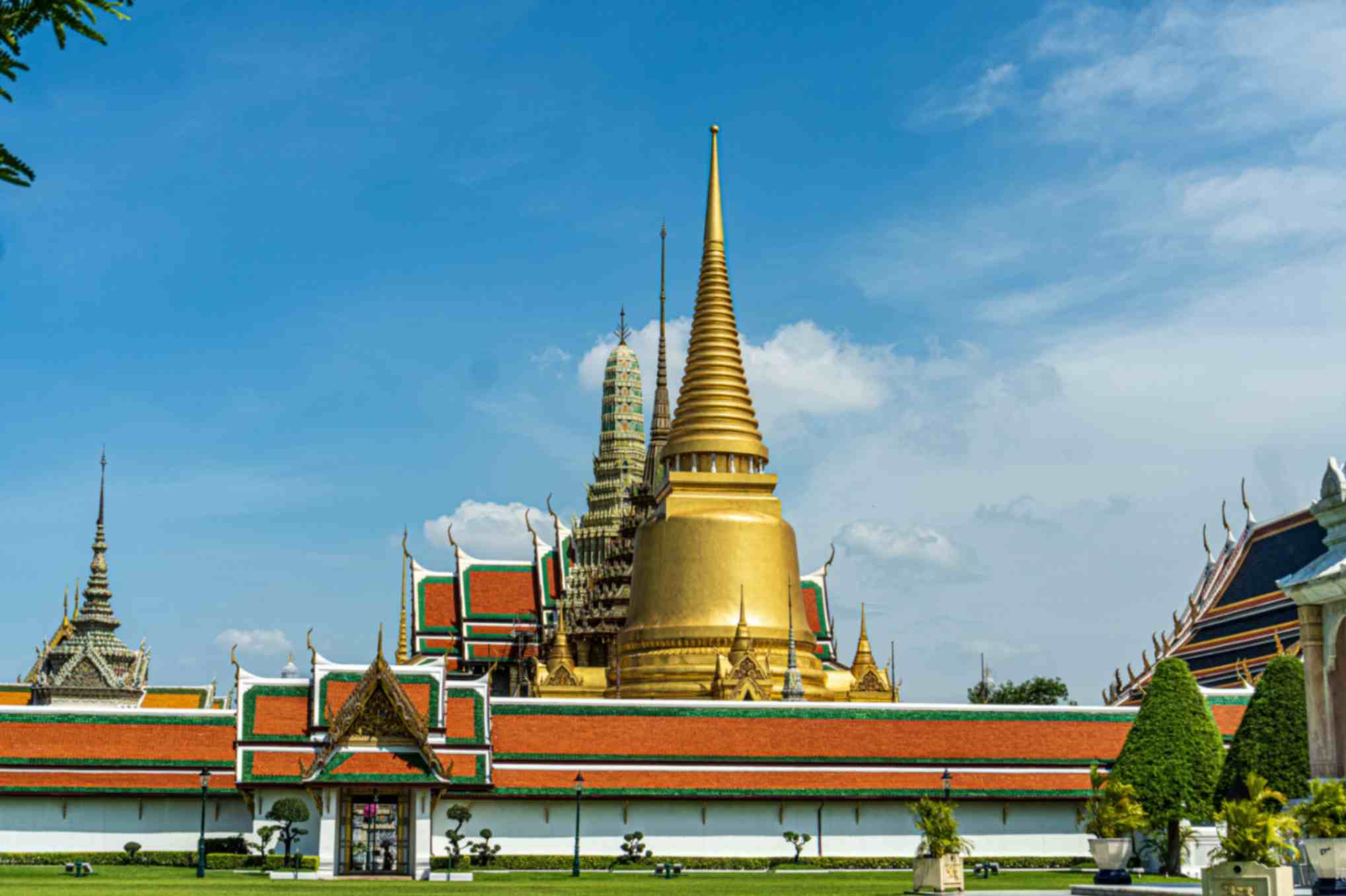
The political and spiritual heart of historical Bangkok, the Grand Palace complex housed the Thai monarch for generations. Within its walls lies Wat Phra Kaew, the Temple of the Emerald Buddha, which enshrines Thailand’s most revered religious icon carved from a single block of jade.
Wat Pho
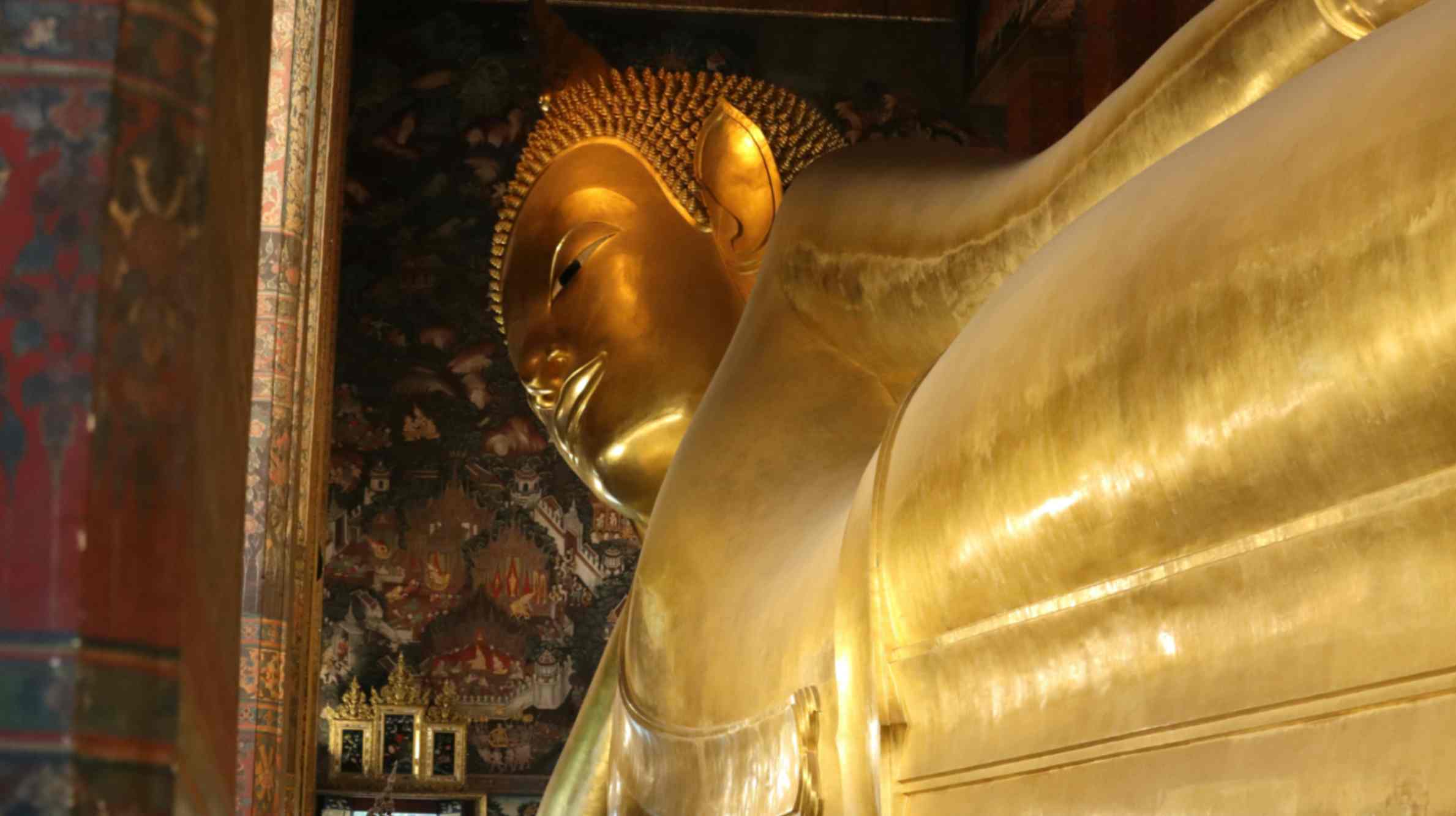
Located directly south of the Grand Palace, Wat Pho is renowned for housing the colossal 46-meter-long Reclining Buddha, shimmering in gold leaf. Beyond its architectural grandeur, Wat Pho is celebrated as the historic birthplace of traditional Thai massage and medicine.
Wat Arun
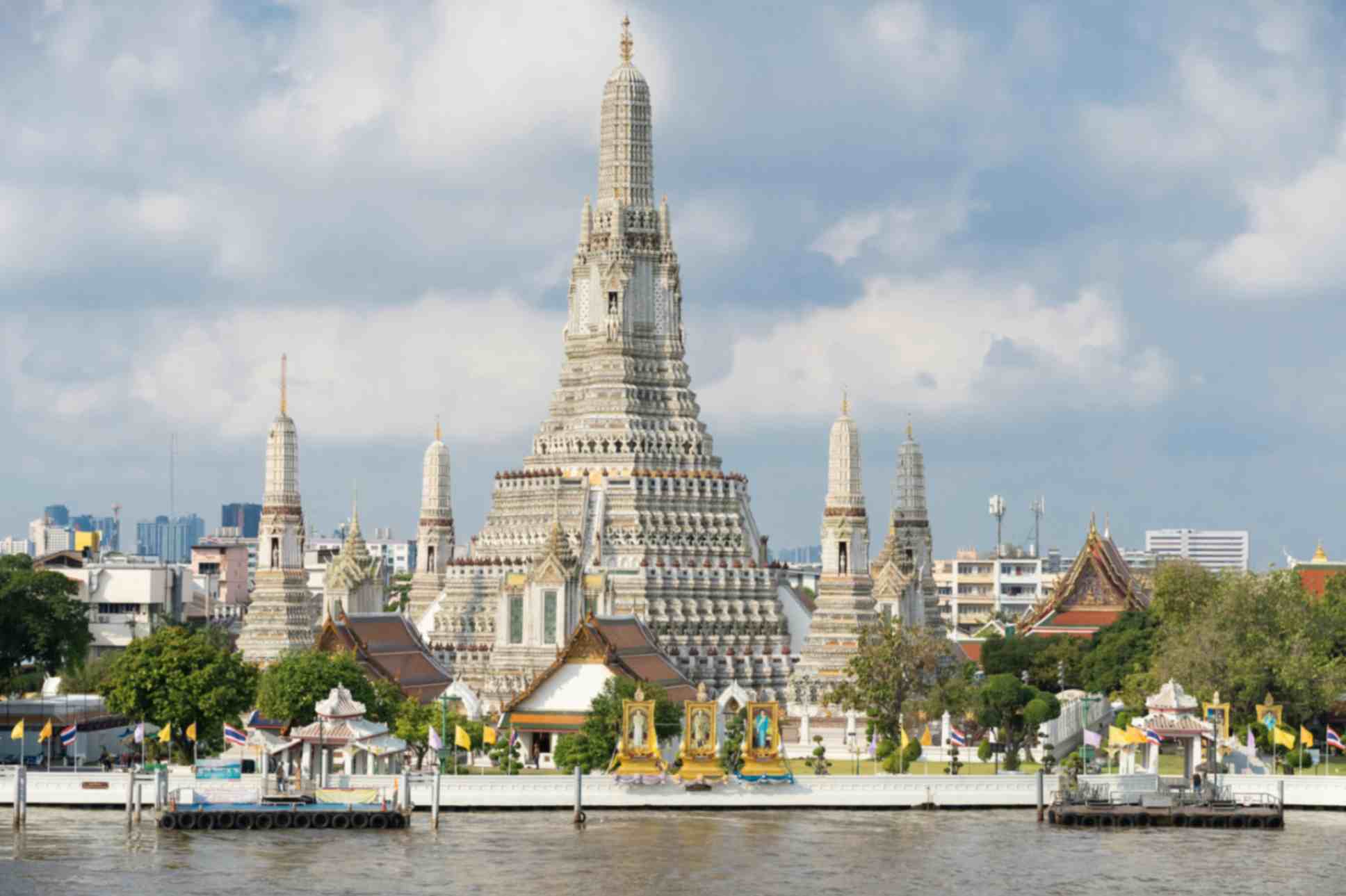
Standing proudly on the west bank of the Chao Phraya River, Wat Arun (The Temple of Dawn) is instantly recognizable by its towering central prang (spire) encrusted with colorful porcelain tiles. Crossing the river by ferry during sunset provides stunning views of its iconic silhouette.
Temples Beyond the Famous Three
To escape the largest crowds, explore Bangkok’s smaller or lesser-known temples:
- Wat Saket (The Golden Mount): Offers 360-degree panoramic views of Old Town from atop an artificial hill.
- Wat Traimit: Home to the world’s largest solid-gold seated Buddha statue.
- Wat Benchamabophit (The Marble Temple): Famous for its elegant Italian marble construction and symmetric European influences.
- Wat Suthat & Wat Ratchanatdaram: Stunning structural landmarks showcasing ornate multi-tiered roofs and copper spires (Loha Prasat).
Eat Some of the Best Street Food in the World
Food in Bangkok is a primary driver of travel. Dining ranges effortlessly from roadside plastic-stool stalls and multi-generational shophouse kitchens to sophisticated tasting menus.
| Bangkok Gastronomy | Street Stalls (Yaowarat, Local Markets) |
| Local Shophouses (Pad Thai, Boat Noodles) | |
| Mall Food Courts (Terminal 21, MBK) | |
| Michelin Bib Gourmand Gems | |
| Contemporary Fine Dining & Rooftops |
Explore Yaowarat and Bangkok’s Chinatown
When dusk falls, Yaowarat Road transforms into one of the world’s largest street food arenas. Navigate neon-drenched avenues packed with vendors serving wok-seared seafood, rolled rice noodle soups, Chinese-Thai dumplings, and warm sesame desserts.
Try Everyday Thai Dishes
Go beyond standard Pad Thai to taste the depth of authentic Thai regional flavors:
- Pad Krapao: Spicy stir-fried minced meat with holy basil, garlic, and a crispy fried egg on rice.
- Som Tam: Pungent, spicy green papaya salad pounded with lime, chili, and peanuts.
- Tom Yum: Fragrant, hot-and-sour soup spiked with lemongrass, galangal, and fresh shrimp.
- Boat Noodles (Kuay Teow Reua): Rich, dark-broth noodle bowls historically served from canal boats.
- Khao Man Gai: Fragrant poached chicken served over seasoned rice with ginger sauce.
- Mango Sticky Rice: Fresh sweet mango served over coconut-infused glutinous rice.
Discover Markets and Food Courts
For accessible, air-conditioned dining, visit shopping mall food courts like Terminal 21 or Siam Paragon, which bring famous street hawkers under one roof. Local fresh markets and lively night markets across the city also offer cheap, regional specialties served daily.
Experience Bangkok’s Fine Dining Scene
Bangkok is a modern global culinary powerhouse. The city boasts dozens of Michelin-starred establishments, innovative contemporary Thai restaurants, and world-class luxury rooftop dining venues overlooking the skyline.
Explore Bangkok Along the Chao Phraya River
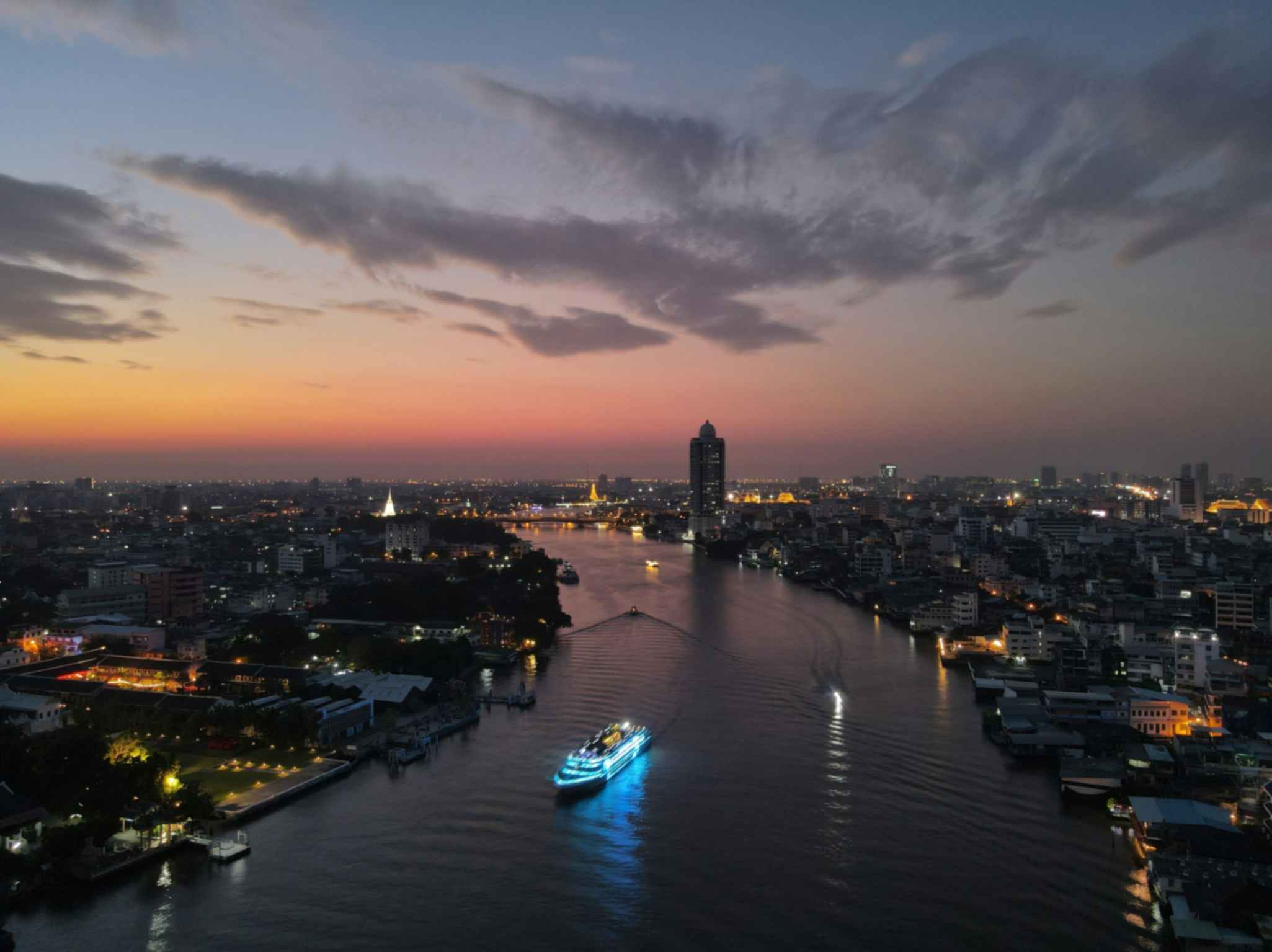
The Chao Phraya River is the lifeblood of the city. Taking to the water provides both practical transit to bypass road traffic and an essential sightseeing experience.
- Public Express Boats & Ferries: Inexpensive, efficient transit linking Old Town temples to modern commercial districts.
- Long-Tail Boats: Private wooden boats navigating narrow side canals (khlongs) to reveal traditional stilt houses and quiet riverside communities.
- Key Riverside Destinations: Hop off at Wat Arun, explore historic quarters in Talat Noi, buy fresh blooms at Pak Khlong Talat (the 24-hour flower market), or visit lifestyle complexes like ICONSIAM and Asiatique.
Explore Neighborhoods With Completely Different Personalities
Bangkok is best understood not as a single center, but as a collection of distinct neighborhoods:
Rattanakosin (Old Town)
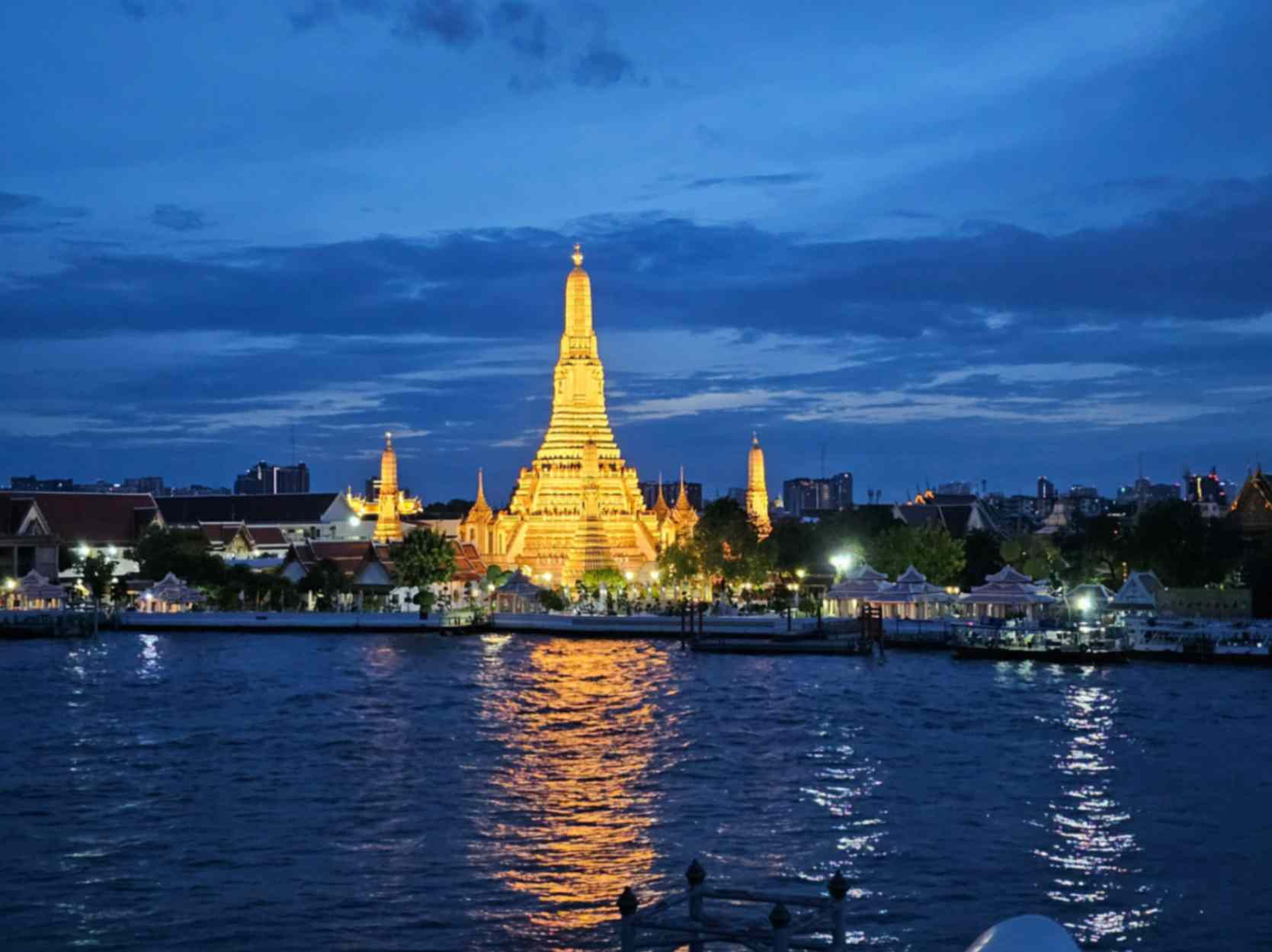
Best for: History lovers, temple trails, and heritage architecture. Home to the Grand Palace, Wat Pho, and classic shophouse neighborhoods along the river.
Chinatown (Yaowarat)
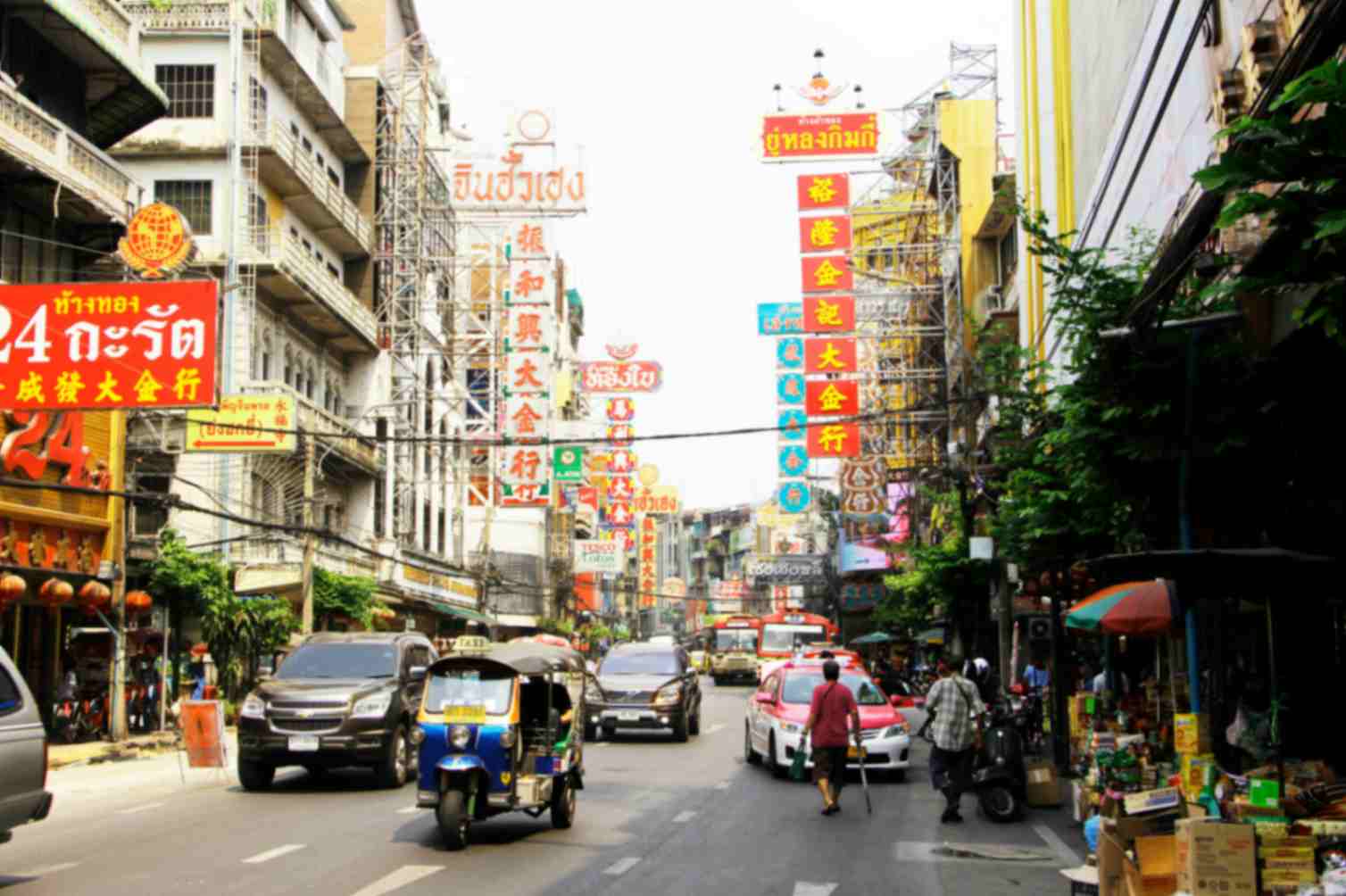
Best for: Evening food exploration, night photography, and bustling market alleys. A sensory-rich enclave bursting with gold shops, street stalls, and historic temples.
Sukhumvit
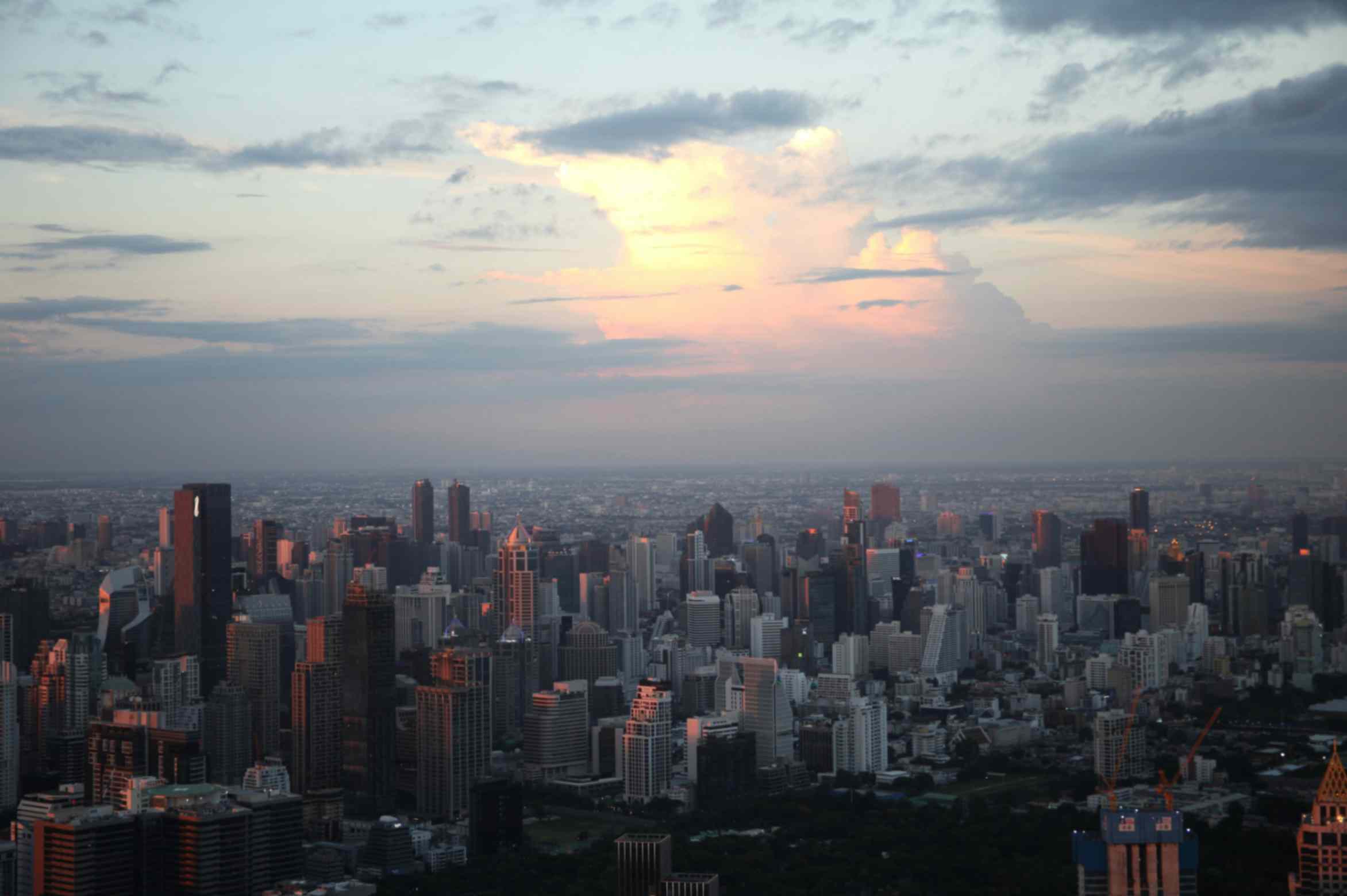
Best for: First-time visitors, modern lifestyle, luxury hotels, and diverse nightlife. A sprawling modern corridor centered along the main BTS Skytrain line.
Silom and Sathorn
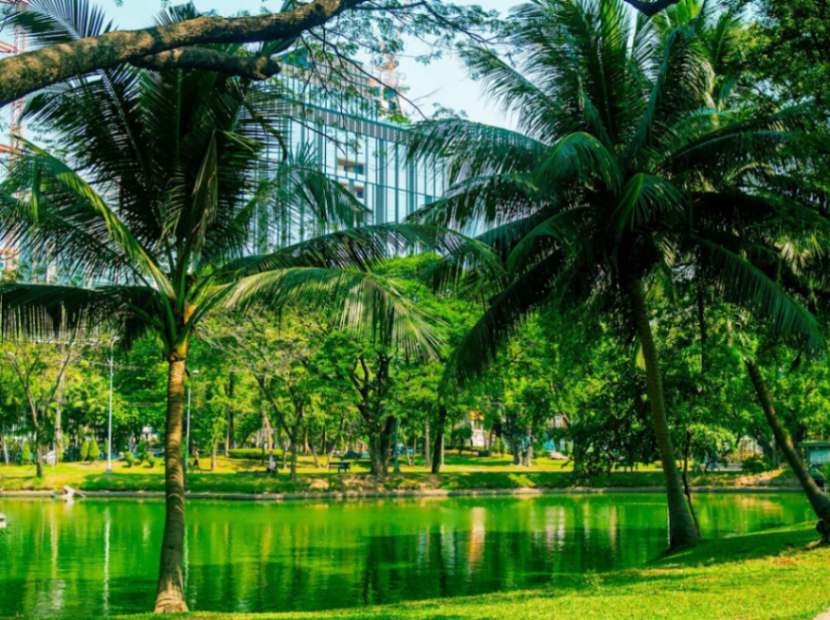
Best for: Fine dining, leafy parks, rooftop cocktail lounges, and financial district energy. Home to Lumphini Park, Bangkok’s central green lung.
Ari
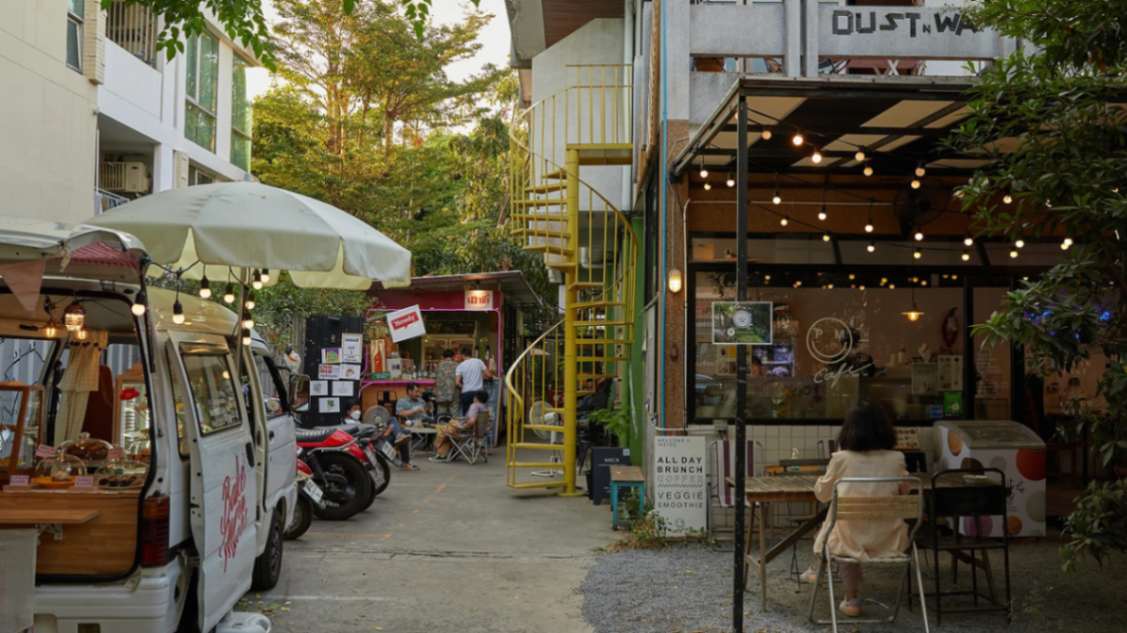
Credit: https://www.timeout.com/bangkok/things-to-do/great-food-and-good-vibes-at-the-hi-neighborhood-of-ari
Best for: Café hopping, indie boutiques, and a relaxed, leafy residential vibe. A trendy northern neighborhood favored by expats and local creatives.
Thonglor and Ekkamai
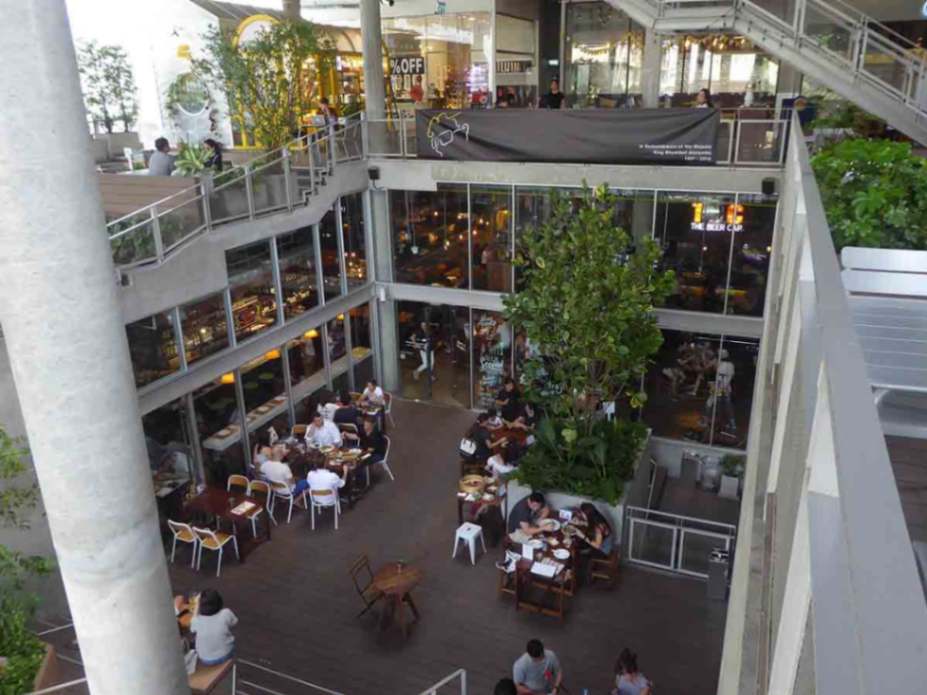
Credit: https://touristbangkok.com/bangkok-neighbourhoods/thonglor-ekkamai/
Best for: Trendy bars, speakeasies, craft coffee, and modern international dining. The epicenter of Bangkok’s upscale nightlife and nightlife culture.
Talat Noi and Song Wat
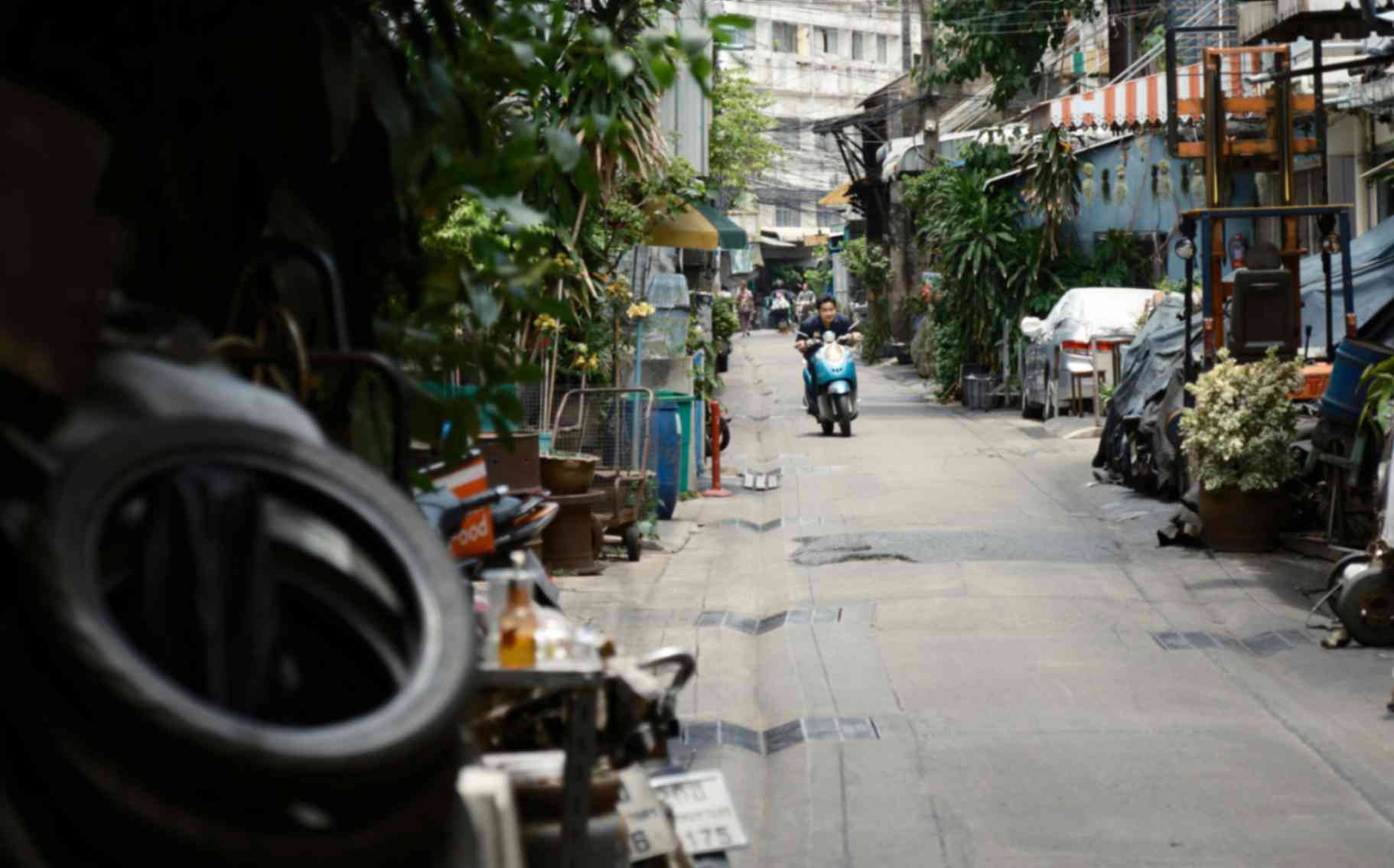
Best for: Heritage photography, street art, hidden cafés, and historic architecture. Atmospheric riverside streets experiencing a creative design renaissance.
Shop From Local Markets to Luxury Malls
Shopping in Bangkok caters to every taste, budget, and style preference.
| Bangkok Shopping Spectrum | ||
| Local Markets & Night Bazaars | Traditional Fresh Streets | Mega Malls & Design Hubs |
|
|
|
- Chatuchak Weekend Market: One of the largest open-air weekend markets in the world, spanning thousands of stalls selling clothing, handicrafts, art, homeware, and street snacks.
- Traditional Markets: Explore wholesale textile alleys at Sampeng Market or vibrant floral displays at Pak Khlong Talat.
- Modern Shopping Districts: Visit Siam (Siam Paragon, CentralWorld, MBK Center) and EmDistrict for flagship luxury brands, regional Thai fashion designers, and entertainment complexes.
Experience Bangkok After Dark
Bangkok’s nightlife extends far beyond typical clubbing districts, offering diverse nighttime options:
- Rooftop Cocktail Bars: Sip drinks with panoramic 360-degree skyline views in Silom, Sathorn, or Sukhumvit.
- Speakeasies & Jazz Lounges: Hidden cocktail dens and live music venues tucked into the side alleys (sois) of Thonglor and Charoenkrung.
- Night Markets & Chinatown: Enjoy late-night food crawls under neon signs in Yaowarat or browse open-air night bazaars.
- Riverside Dining: Unwind with dinner overlooking illuminated nighttime views of Wat Arun along the Chao Phraya.
Experience Thai Culture Beyond the Temples
Traditional culture is integrated into everyday city life through diverse experiences:
- Watch Muay Thai: Attend authentic stadium matches at historic venues like Rajadamnern Stadium to witness Thailand’s national sport.
- Traditional Thai Massage: Unwind at local massage shops or luxury hotel spas with ancient therapeutic bodywork.
- Festivals: Join nationwide celebrations during Songkran (Thai New Year water festival in April) or Loi Krathong (the festival of floating lanterns in November).
Get Around by Skytrain, Subway, Boat, and Tuk-Tuk
Navigating Bangkok efficiently requires pairing the right transport mode with the right neighborhood.
| Bangkok Transit Options | BTS Skytrain (Elevated / Sukhumvit, Siam, Silom) |
| MRT Subway (Underground / Chinatown, Sukhumvit) | |
| River Boats (Chao Phraya / Old Town, Temples) | |
| Rideshare / Taxis (Best for off-peak / group travel) | |
| Tuk-Tuks (Short, iconic inner-city trips) |
- BTS Skytrain & MRT Subway: Fast, air-conditioned, and essential for bypassing heavy peak-hour road traffic.
- Chao Phraya Express Boats: Ideal for reaching Old Town attractions like the Grand Palace that lack direct Skytrain connections.
- Tuk-Tuks & Rideshares: Great for short journeys between transit stations and destinations, or for atmospheric evening rides.
Bangkok Is Worth Visiting in Every Season
Bangkok is a vibrant, year-round global hub. Weather generally splits into three main phases:
Cooler and Drier Months (November – February)
Generally offers the most comfortable weather for walking and outdoor exploration, coinciding with peak tourist demand.
Hot Season (March – May)
Temperatures peak. Ideal for indoor mall exploration, early morning temple walks, and celebrating the famous Songkran water festival in April.
Rainy Season (June – October)
Characterized by quick, heavy tropical downpours followed by sunshine. Prices are often lower, crowds are thinner, and flexible indoor-outdoor itineraries work well.
Is Bangkok Good for First-Time Visitors?
Yes. While Bangkok’s heat, scale, and energetic pace can feel intense initially, its world-class tourist infrastructure, efficient public transport, expansive hotel choices, and welcoming locals make it highly accessible.
To maximize your first visit:
- Group attractions geographically (e.g., dedicated Old Town days vs. modern Sukhumvit days).
- Visit outdoor temples early in the morning to avoid midday heat.
- Utilize the BTS, MRT, and river ferries whenever possible.
- Pace your itinerary to include shaded café or spa breaks.
A stay of three to five days allows first-time visitors to experience the core highlights without feeling rushed.
Tips for Planning Your First Bangkok Trip
- Schedule Temples Early: Beat peak heat and tour groups by arriving at major sites right at opening time.
- Dress for Sacred Sites: Carry a lightweight scarf or sarong to quickly cover up before entering temple halls.
- Stay Near Mass Transit: Choose accommodation within easy walking distance of a BTS or MRT station.
- Hydrate & Stay Cool: Carry water and step into air-conditioned convenience stores or malls to cool off periodically.
- Confirm Taxi Meters: Ensure taxi drivers turn on the meter before departing, or use popular rideshare apps for transparent pricing.
Is Bangkok Worth Visiting? Final Thoughts
Bangkok is definitely worth visiting. Few places on Earth manage to blend sacred Buddhist heritage, world-renowned culinary traditions, historic river communities, and cutting-edge urban lifestyle into one seamless experience.
Whether you are exploring ancient golden spires in Old Town, sampling street food in Chinatown, or taking in skyline views from a skyscraper lounge, Bangkok guarantees a thrilling travel adventure.
Plan Your Stay with Travala

With access to over 3 million travel products worldwide, Travala allows you to easily find the perfect hotels, flights, and activities for your budget-friendly trip, all on a single platform.
Travala also provides unrivalled payment flexibility, enabling you to book travel with over 100 cryptocurrencies like Bitcoin, Ethereum, Solana, and stablecoins like USDT and USDC. Book today and explore more destinations to visit in Bangkok!
START YOUR CRYPTO TRAVEL JOURNEY NOW!
[Book Travel] | [Loyalty Program]
Frequently Asked Questions About Visiting Bangkok
Q: Why should you visit Bangkok?
Bangkok offers a dynamic blend of ancient culture and modern city life. Visitors come for historic Buddhist temples, world-famous Thai food, vibrant night markets, and scenic river express boat rides. With electric nightlife, luxury shopping malls, and diverse accommodations, from budget hostels to riverside resorts, Bangkok is a rewarding destination for every traveler.
Q: Is Bangkok worth visiting for the first time?
Yes, Bangkok is worth visiting for first-time travelers. While the city’s signature heat, scale, and energetic pace can feel intense initially, it is easy to navigate with sensible planning. Utilizing the BTS Skytrain, MRT subway, and river ferries while grouping sightseeing geographically ensures a smooth, accessible first visit.
Q: What is Bangkok best known for?
Bangkok is best known for its grand royal architecture, rich Buddhist culture, and street food scene. Key highlights include Wat Phra Kaew inside the Grand Palace, Wat Pho, Wat Arun, the bustling Chao Phraya River, open-air night markets, mega shopping complexes, and world-class nightlife.
Q: What makes Bangkok unique?
Bangkok is unique because ancient traditions coexist with modern city infrastructure. Sacred temples, historic canal communities, and street food stalls operate steps away from futuristic skyscrapers, high-end rooftop bars, and luxury hotels, creating a sensory urban experience found nowhere else.
Q: How many days do you need in Bangkok?
First-time visitors should plan for three to five days in Bangkok. This provides enough time to explore major Old Town temples, sample street food markets, navigate the Chao Phraya River, visit shopping districts, and experience the nightlife. Longer stays allow for deeper neighborhood exploration and day trips to Ayutthaya.
Q: Is Bangkok expensive to visit?
Bangkok caters to all travel budgets. While street food, public transport, and local markets are highly affordable, luxury accommodations, fine-dining tasting menus, and high-end rooftop bars cost comparable to global city rates. Overall, Bangkok delivers exceptional value across every spending level.
Q: Is Bangkok easy to get around?
Yes, Bangkok is easy to navigate using public transport to bypass heavy road traffic. The elevated BTS Skytrain and underground MRT subway connect major commercial hubs, while Chao Phraya express boats reach Old Town temples. Taxis, tuk-tuks, and walking work best for short, localized trips.
Q: What food should you try in Bangkok?
Must-try foods in Bangkok include spicy pad krapao, som tam (papaya salad), tom yum soup, rich boat noodles, aromatic curries, and street-side grilled meats. Save room for mango sticky rice for dessert, and explore Chinatown’s Yaowarat Road for exceptional late-night dining.
Q: What temples should you visit in Bangkok?
Start with Bangkok’s iconic “Big Three” sites: Wat Phra Kaew (Temple of the Emerald Buddha at the Grand Palace), Wat Pho (Reclining Buddha), and Wat Arun (Temple of Dawn). For fewer crowds, visit smaller alternatives like Wat Saket (Golden Mount) or Wat Benchamabophit (Marble Temple).
Q: Is Bangkok good for solo travelers?
Yes, Bangkok is a top choice for solo travel. Efficient public transportation, extensive hostel networks, affordable street dining, and local day tours make navigating independently straightforward. The city offers rich social environments and flexible sightseeing choices without overwhelming independent visitors.
Q: Is Bangkok suitable for families?
Yes, Bangkok is suitable for families, offering interactive cultural attractions, lush parks like Benjakitti, riverboat rides, and family-friendly hotels. However, managing high heat, road traffic, and dense crowds requires careful itinerary pacing, frequent hydration breaks, and reliance on rail or boat transit.
