

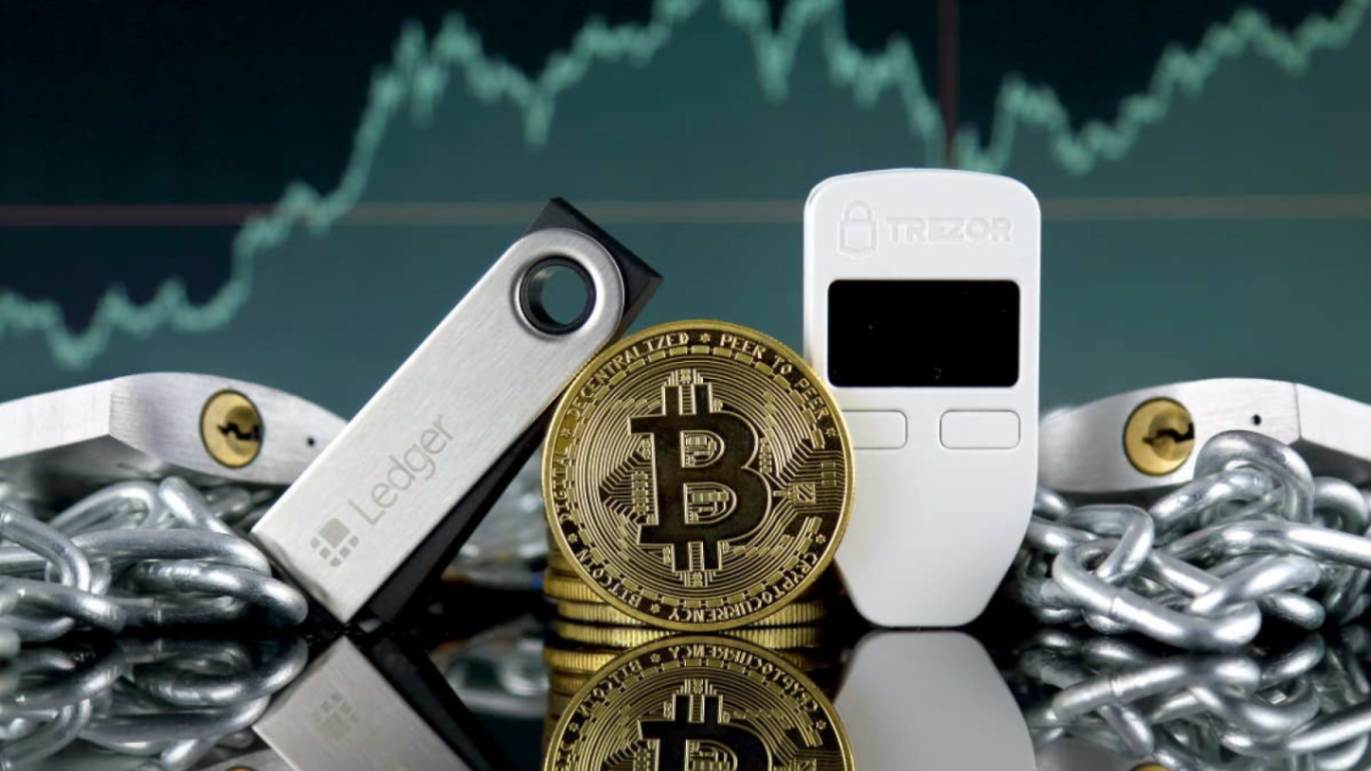
Introduction to Crypto Wallets in 2025
As crypto adoption powers forward in 2025, crypto wallets have become one of the most essential tools for managing digital assets.
While often thought of as a place to “store” cryptocurrency, a crypto wallet’s purpose is to hold the cryptographic private keys that prove ownership of your digital assets on the blockchain.
As a regular user, the seed phrase is the most critical component of your crypto wallet. They serve as the key to accessing your crypto wallet. If you lose your seed phrase or have it compromised, you could lose access to your stored funds forever.
This is why selecting the right cryptocurrency wallet is crucial.
Types of Crypto Wallets Explained
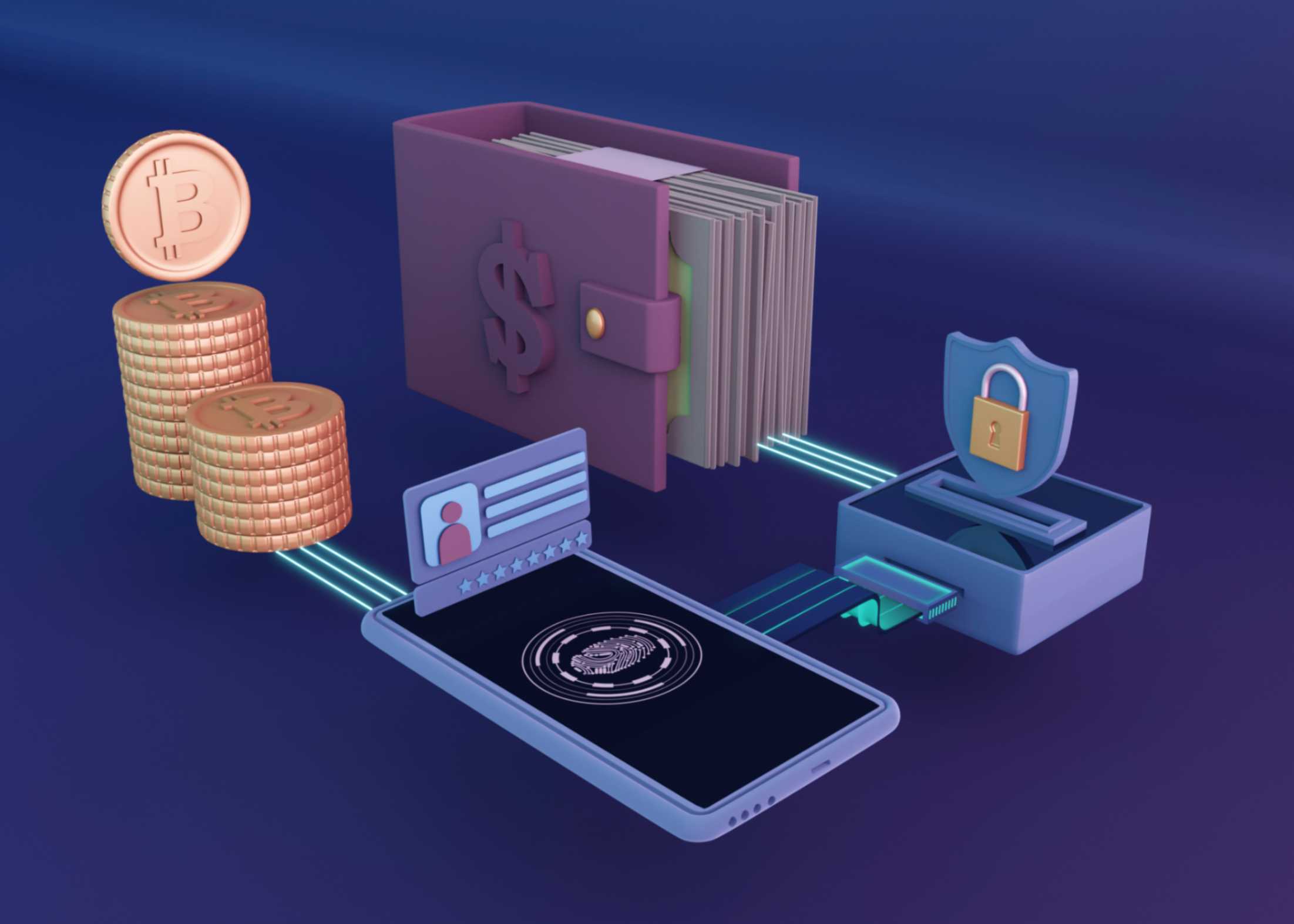
Understanding the different types of crypto wallets is the first step toward safeguarding your assets. The primary distinction lies in where and who handles your private keys.
Hot & cold wallets are ways to categorize crypto wallets based on their connection to the internet.
- Hot wallets are connected to the internet. They are very convenient for making quick transactions but are also more vulnerable to hacks and cyber-attacks. An analogy for this would be a regular wallet you carry in your pocket; it’s easy to access for daily purchases but could be lost or stolen.
- Cold wallets are not connected to the internet. They are considered the most secure way to store cryptocurrency because they’re immune to online threats. This is like storing cash in a safe deposit box at a bank; it’s a hassle to access, but it’s much safer for large sums of money.
💡 Travala Tip: Check out our curated list of the best cold wallets to safeguard your crypto!
Custodial and non-custodial wallets are defined by who controls the private keys for the crypto wallet. These private keys are what give you ownership of the funds.
- A custodial wallet is a service where a third party (like a cryptocurrency exchange) holds and manages your private keys on your behalf. You are trusting them to secure your funds. This is similar to a traditional bank account where the bank manages your money, and you don’t hold the physical cash.
- A non-custodial wallet (or self-custodial wallet) gives you full control and responsibility for your private keys. You are the sole owner of your funds. This is like holding physical cash in your wallet or safe. You are entirely responsible for its safety.
How Crypto Wallets Work
A crypto wallet is a tool that lets you store, send, and receive digital assets like Bitcoin, Ethereum, Solana, and thousands of other tokens. Every wallet generates a unique pair of keys:
- Public Keys (crypto addresses): Like your bank account number, this is your receiving address where others can send you crypto.
- Private Keys: Like your PIN code or signature, this gives you direct control of your funds. Whoever has your private keys controls your crypto assets.
Wallets function by interacting with the blockchain. They don’t hold crypto directly. Instead, they use your private key to authorize transactions that update your cryptocurrency balance on the decentralized ledger.
AI Innovations in Crypto Wallets
The integration of artificial intelligence is revolutionizing the user experience and security of crypto wallets:
- Smarter Fraud Detection: AI algorithms can analyze transaction patterns in real-time to detect and flag unusual activity, warning users about potential phishing attempts or malicious addresses.
- Enhanced User Experience: AI can simplify the wallet setup and recovery process, moving away from complex seed phrases. Wallets like ZenGo Wallet use advanced facial recognition and biometric security, offering a passwordless, keyless experience.
The Top 10 Crypto Wallets in 2025
Here is Travala’s list of the top 10 crypto wallets for 2025, offering a mix of security, convenience, and functionality.
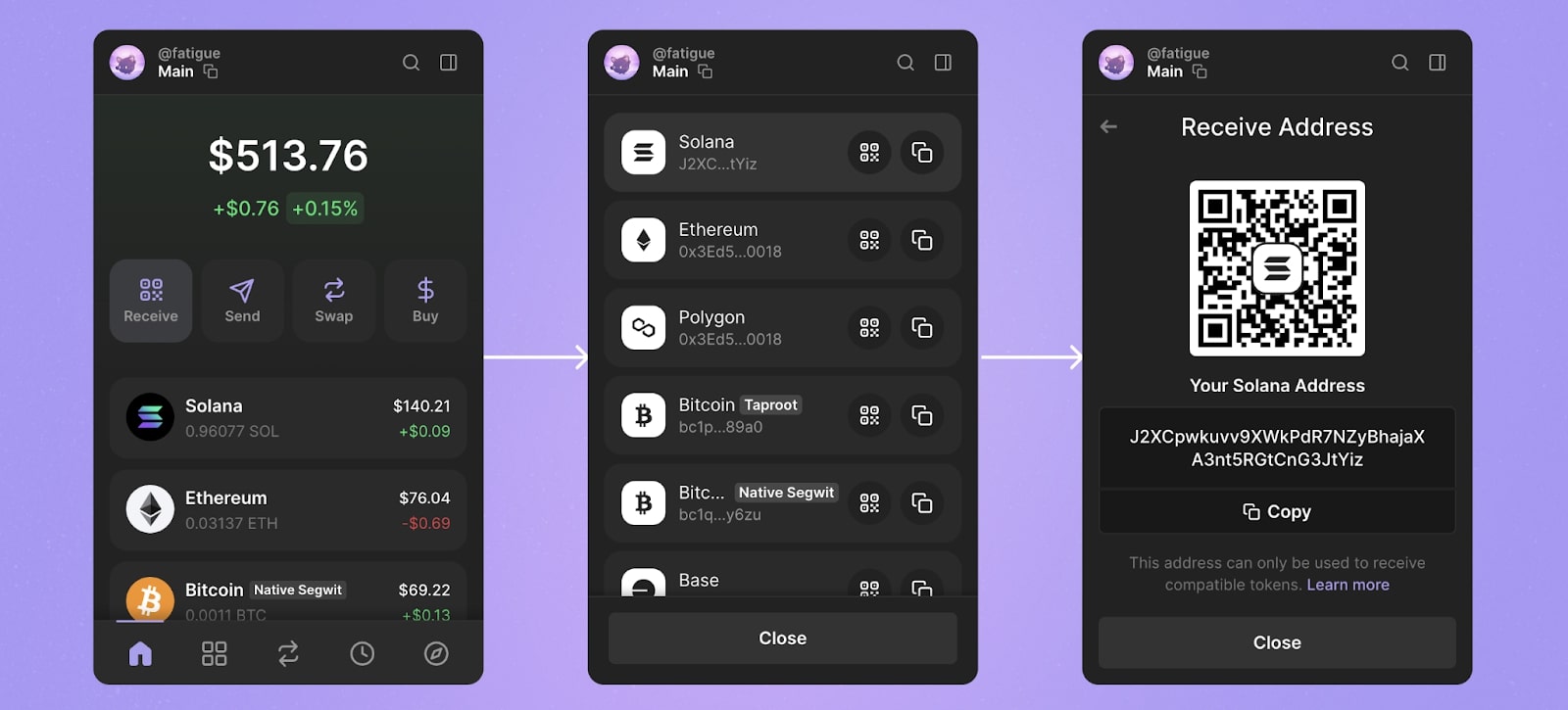
Hot Wallet: Phantom Wallet
Source: https://help.phantom.com/hc/en-us/articles/4406393831187-How-to-deposit-tokens-into-Phantom
Pros: The best non-custodial crypto wallet for the Solana ecosystem. It’s a fast browser extension with built-in staking options.
Cons: Utility is limited for those who use other blockchain networks.
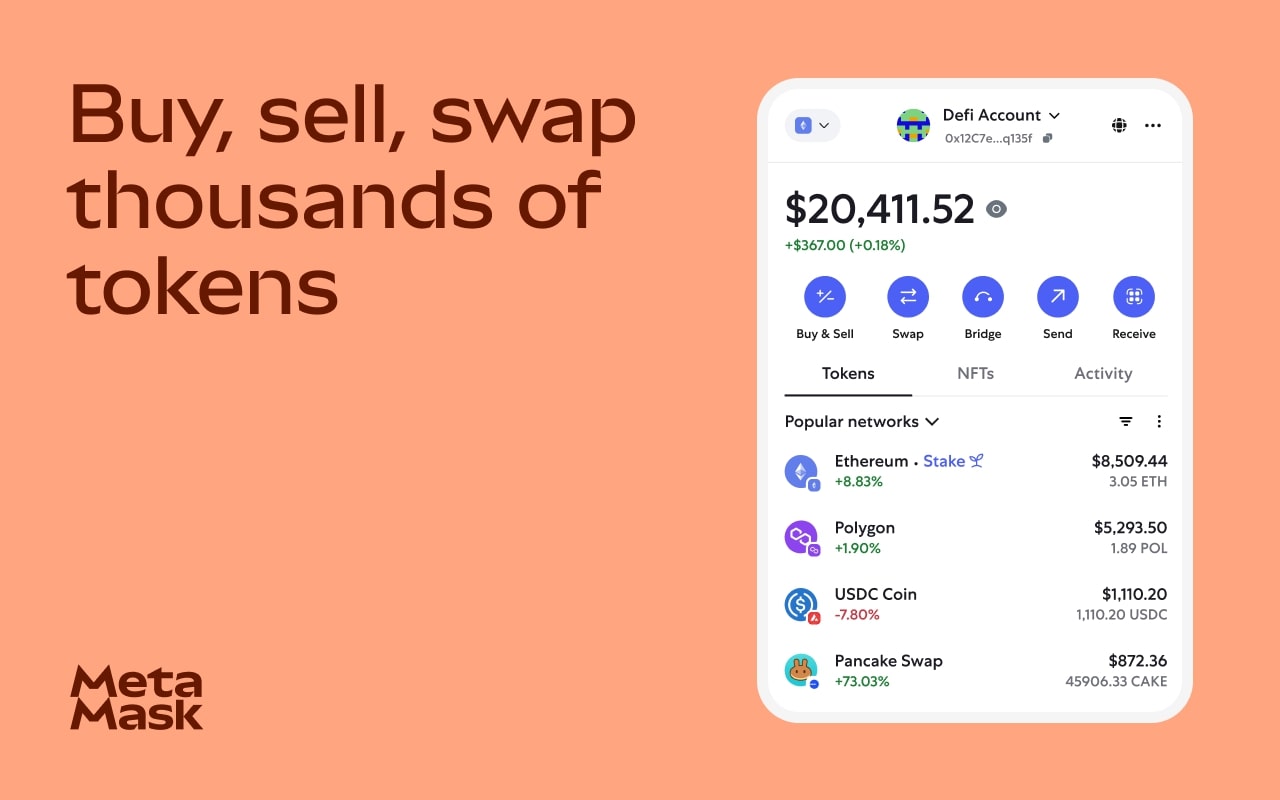
Hot Wallet: MetaMask
Source: https://help.phantom.com/hc/en-us/articles/4406393831187-How-to-deposit-tokens-into-Phantom
Pros: Leading wallet for connecting to decentralized applications (dApps) on the Ethereum network and other EVM-compatible chains.
Cons: MetaMask has been criticized for its clunky and outdated user interface. Many core functions, such as adding new networks or tokens, are still manual processes. For beginners, this can be a difficult and frustrating experience.
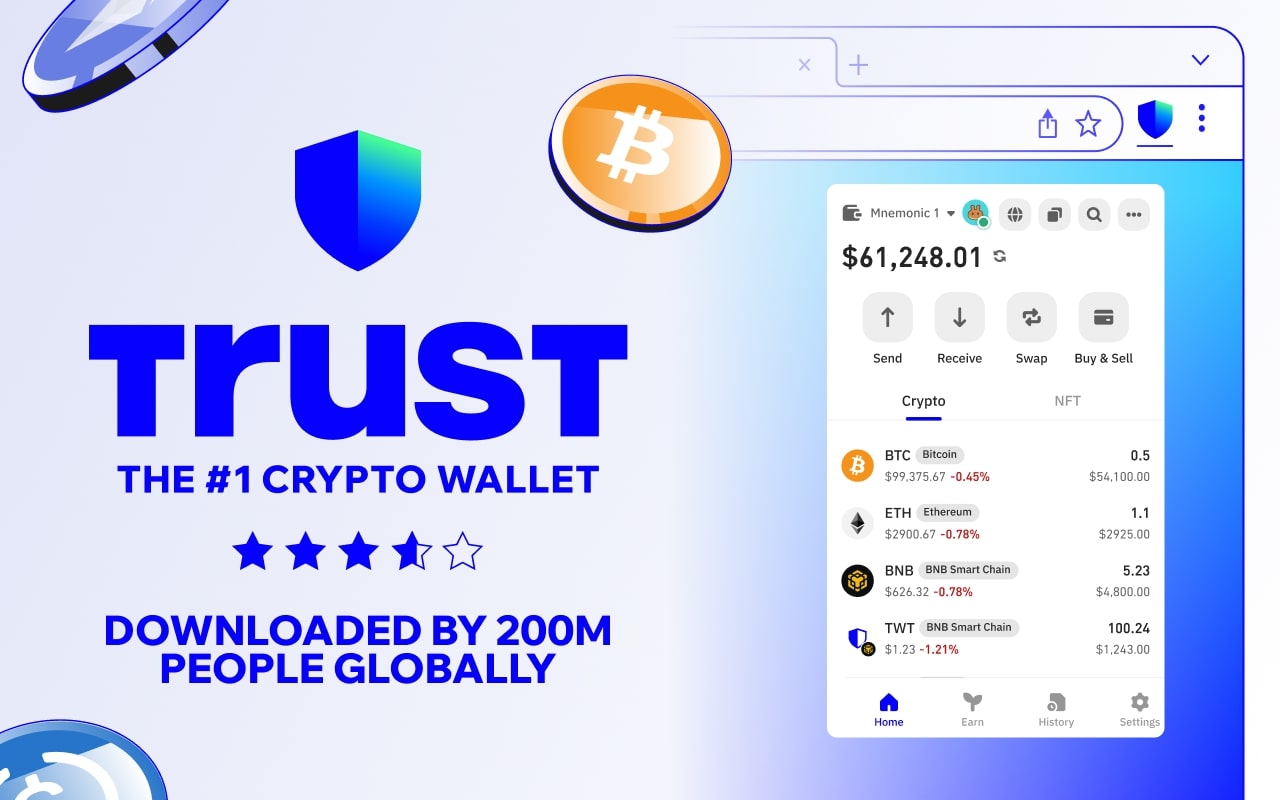
Hot Wallet: Trust Wallet
Source: https://chromewebstore.google.com/detail/trust-wallet/egjidjbpglichdcondbcbdnbeeppgdph
Pros: Owned by Binance. Trust Wallet is renowned for supporting many tokens across different blockchains, including popular ones like Ethereum, Bitcoin, BNB Smart Chain, and Solana. This makes it a versatile tool for managing a diverse portfolio from a single app.
Cons: Although the wallet is considered safe, Trust Wallet has had past security vulnerabilities, including an incident in 2022 that affected its browser extension. While these issues were addressed, they serve as a reminder that no software is completely immune to security flaws.
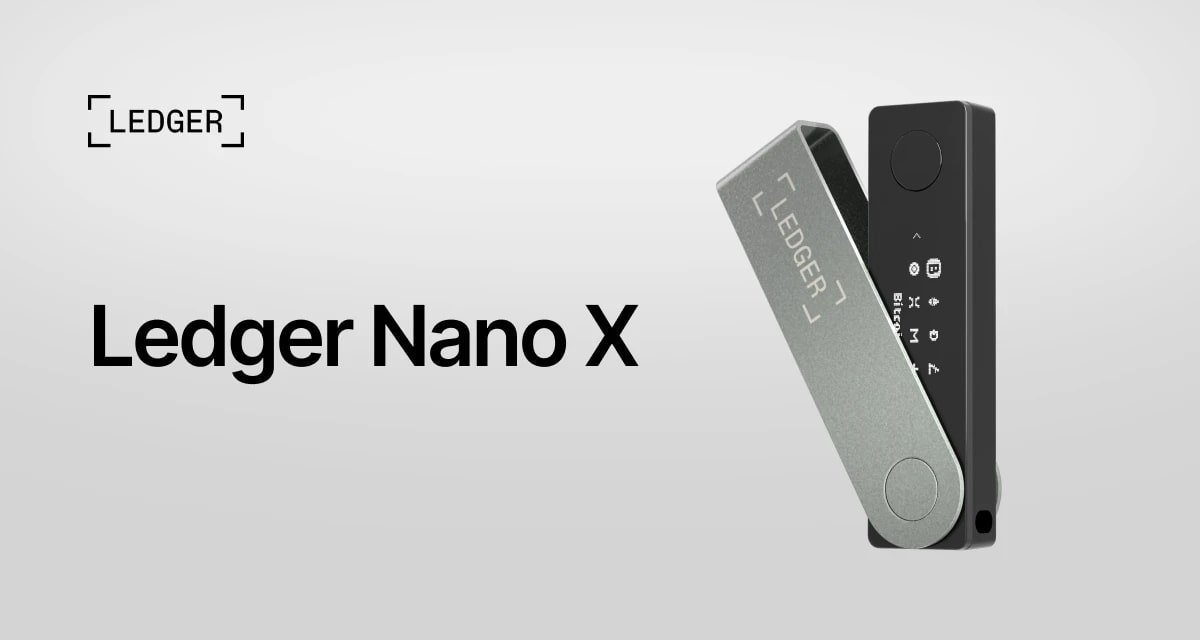
Cold Wallet: Ledger Nano X
Source: https://shop.ledger.com/products/ledger-nano-x
Pros: Ledger Nano X integrates seamlessly with the Ledger Live app, a comprehensive platform that allows you to manage, buy, sell, swap, and stake your assets securely. This provides a user-friendly interface for your hardware wallet, making it accessible even for beginners.
Cons: While the Ledger Live app is open-source, the operating system on the device itself (BOLOS) is not. This is a point of contention for some in the crypto community who prefer fully open-source hardware wallet options, as it means the code hasn’t been audited by the public.
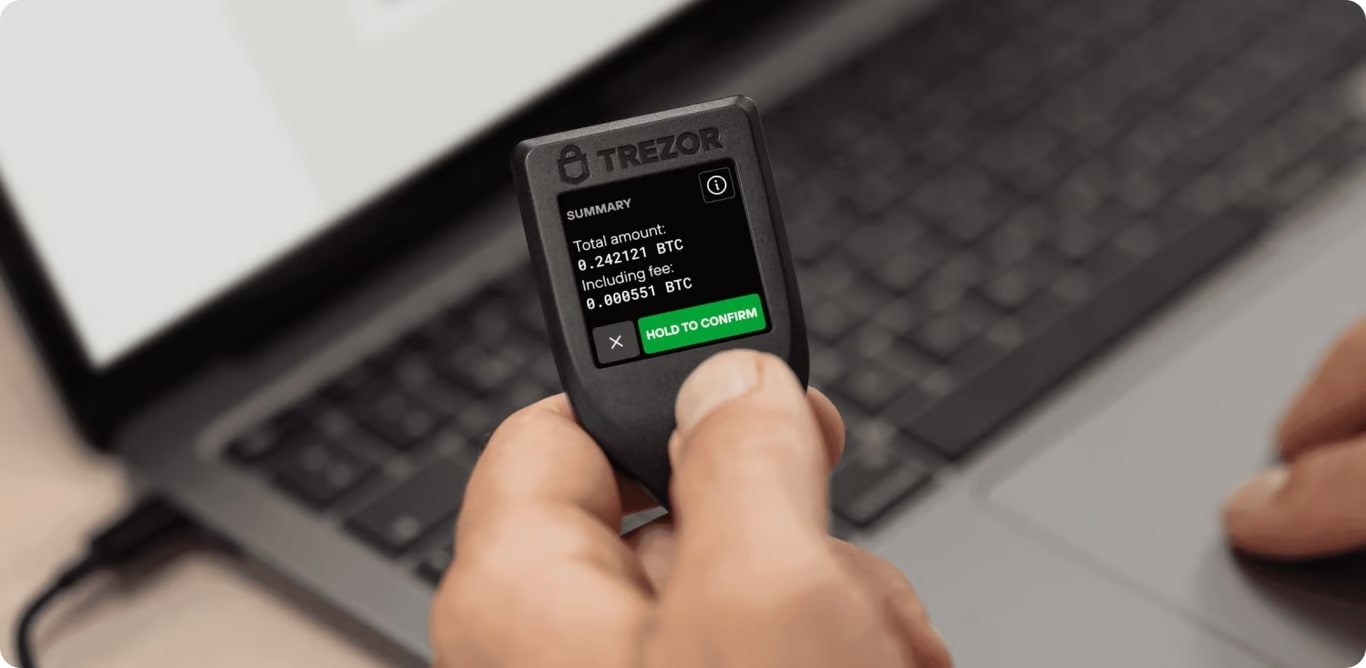
Cold Wallet: Trezor Model T
Source: https://trezor.io/trezor-model-t
Pros: The most prominent feature of the Model T is its large, full-color touchscreen. This makes navigating the device, entering your PIN, and confirming transactions much easier and more intuitive than using the small buttons found on other hardware wallets.
Cons: The Trezor Model T does not use a dedicated Secure Element (SE) chip like some of its competitors. Instead, it relies on its open-source firmware and a robust design to prevent physical attacks. While no remote hacks of Trezor devices have been reported, some security researchers have demonstrated physical exploits in a lab setting, which can be a concern for some users.
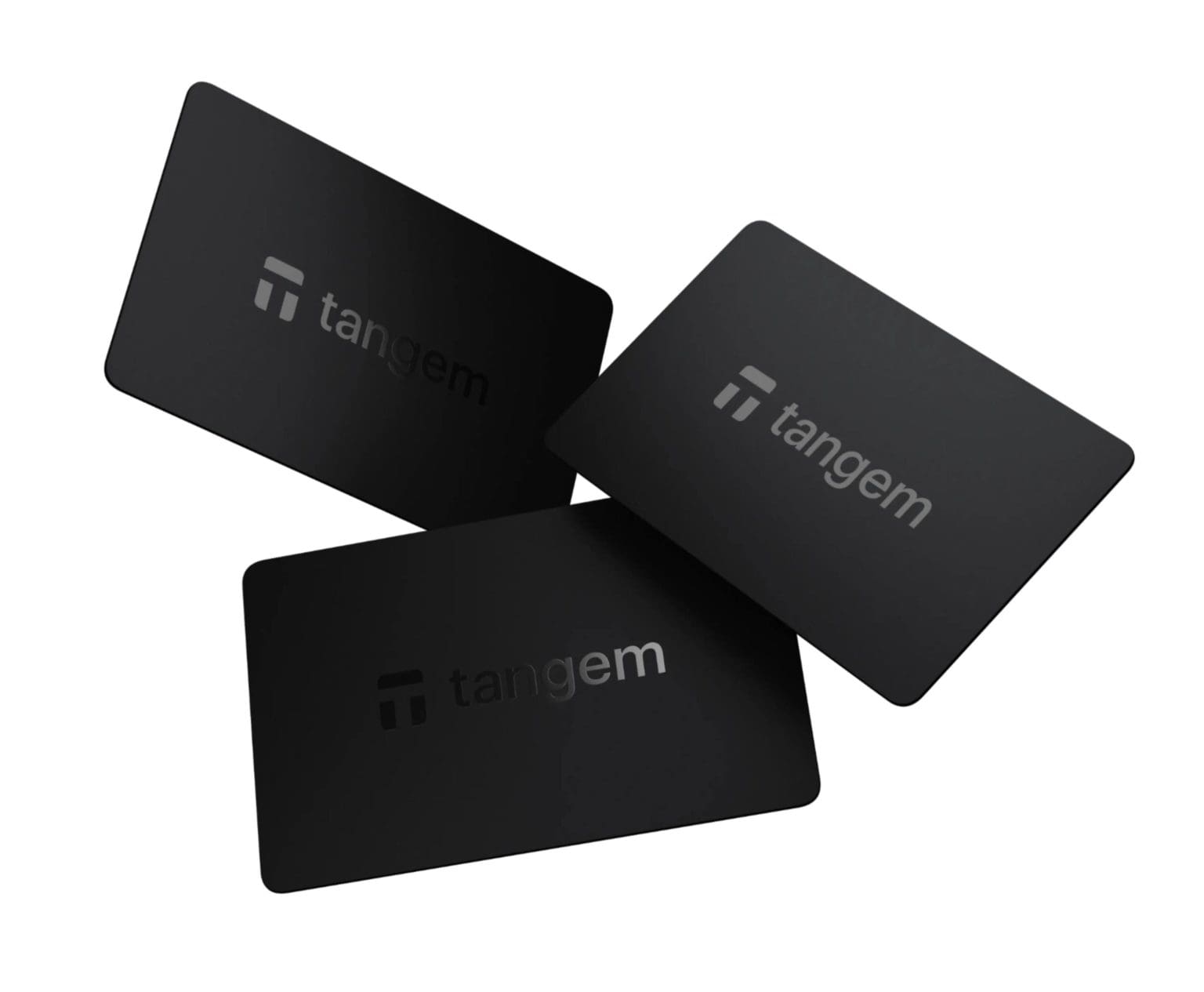
Cold Wallet: Tangem Wallet
Source: https://tangem.com/
Pros: The Tangem Wallet is a physical card with an embedded chip and an NFC antenna. There are no buttons, no screens, and no batteries to charge. You simply tap the card to your NFC-enabled smartphone to interact with the app. This makes it incredibly easy to use and carry in a standard wallet.
Cons: The Tangem Wallet is exclusively a mobile solution and relies entirely on a smartphone with NFC capabilities. There is no desktop application, which can be a significant drawback for users who prefer to manage their crypto on a computer.
💡 Travala Tip: Check out our curated list of the best cold wallets to safeguard your crypto!
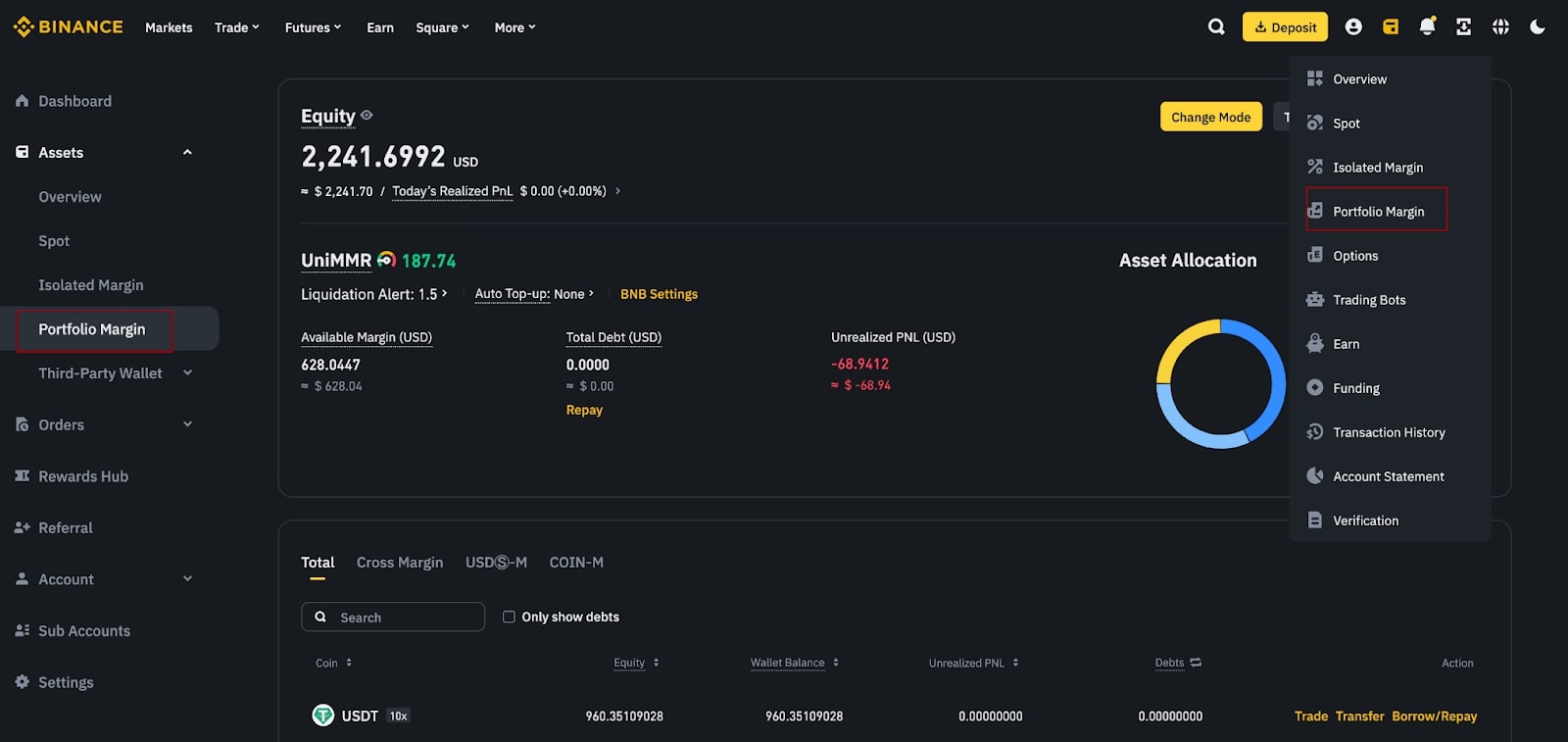
Custodial Wallet: Binance Exchange Wallet
Source: https://www.binance.com/en-BH/support/faq/detail/07bd62ee3fe24461a623da54fa0f2865
Pros: Using a custodial wallet on an exchange is very user-friendly. You don’t need to worry about managing complex private keys or seed phrases. The experience is similar to a traditional bank account, making it perfect for beginners.
Cons: Not Your Keys, Not Your Crypto. Because the exchange is the custodian of your private keys, you do not have true ownership of your funds. You are trusting Binance to keep your assets safe. If the exchange is hacked, becomes insolvent, or decides to freeze your account for any reason, your funds could be at risk.
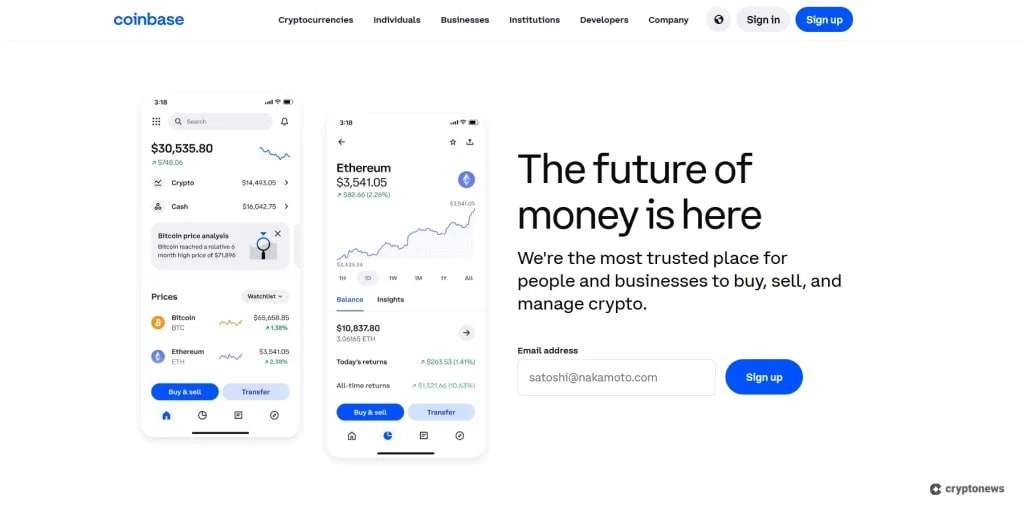
Custodial Wallet: Coinbase Exchange Wallet
Source: https://cryptonews.com/reviews/coinbase-review/
Pros: The exchange wallet is incredibly easy to use. You don’t need to worry about managing a private key or a 12- or 24-word recovery phrase. The experience is designed to be as simple as a traditional bank account.
Cons: Not Your Keys, Not Your Crypto. Because the exchange is the custodian of your private keys, you do not have true ownership of your funds. You are trusting Coinbase to keep your assets safe. If the exchange is hacked, becomes insolvent, or decides to freeze your account for any reason, your funds could be at risk.
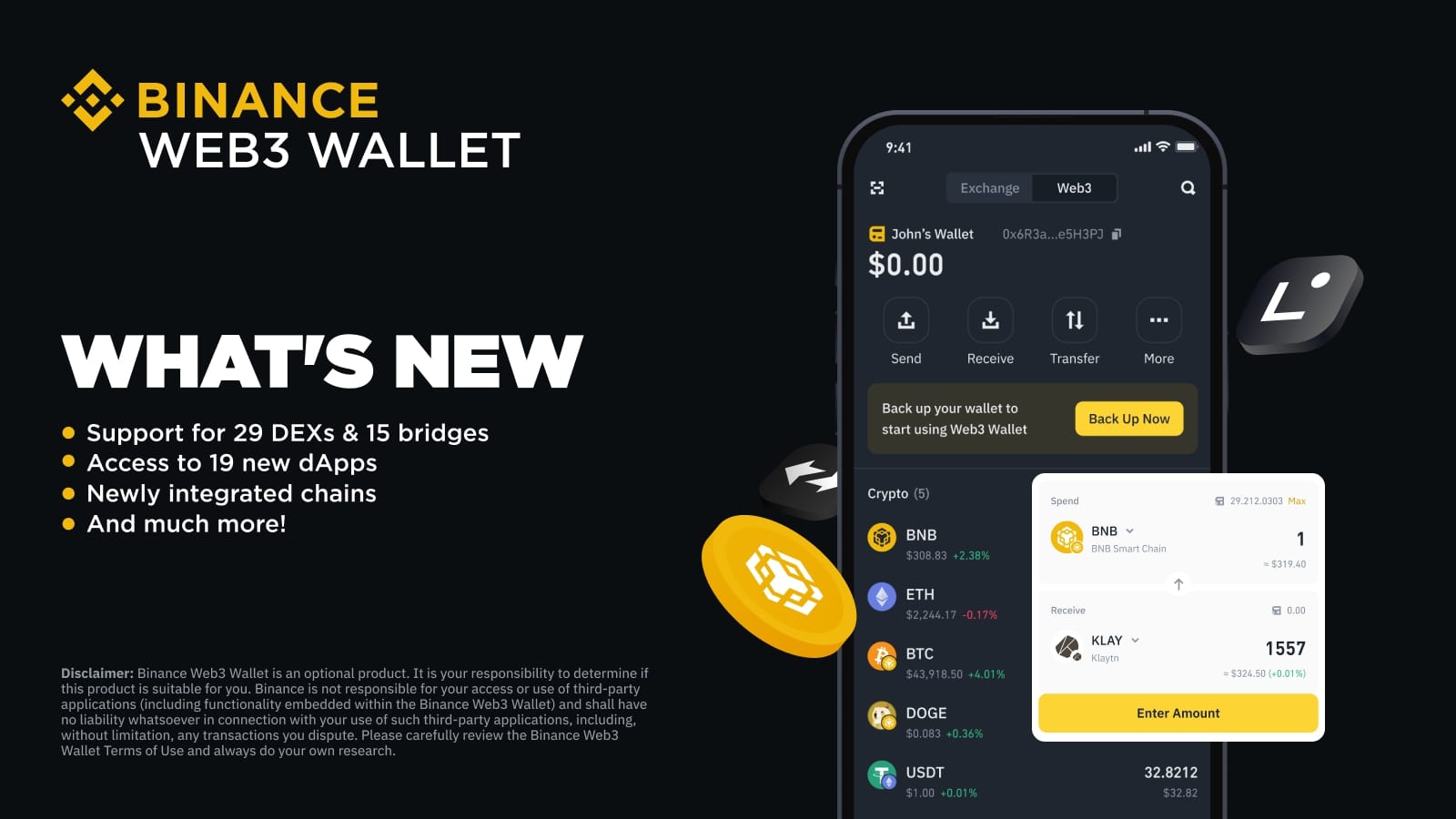
Non-Custodial Wallet: Binance Web3 Wallet
Source: https://www.binance.com/en/blog/ecosystem/4711616998755531254
Pros: As it’s integrated into the main Binance app, it’s extremely easy to set up and use, especially for those who are already customers of the exchange.
Cons: While it is technically non-custodial, the wallet has a centralized element. One of the three key shares is stored by Binance, which means you are not in complete, sole control of all components of your private key.
Non-Custodial Wallet: Coinbase Wallet
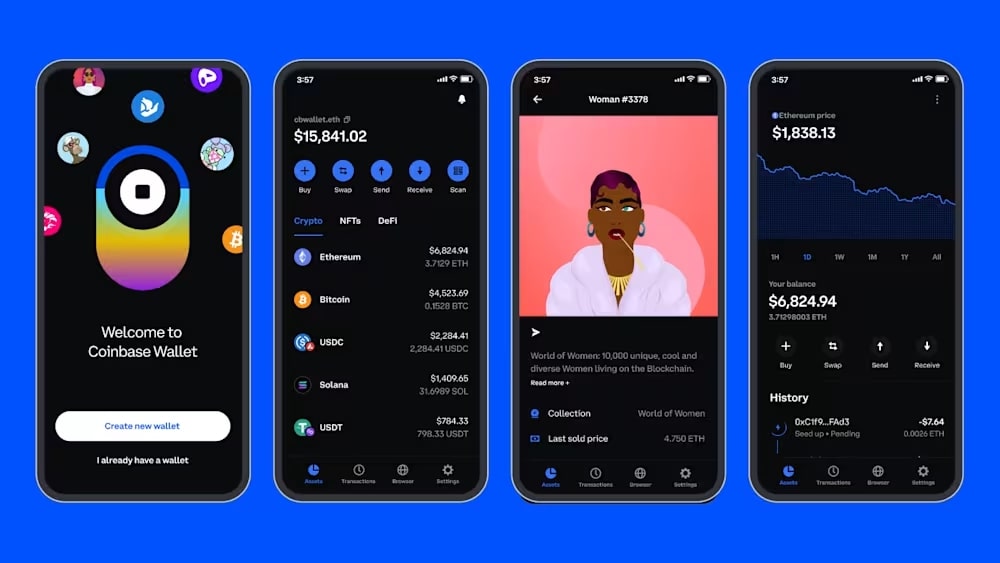
Pros: Unlike the Coinbase Exchange Wallet, which is custodial, Coinbase Wallet is non-custodial, meaning you have sole control over your private keys and assets. This eliminates the risk of an exchange being hacked or going bankrupt and allows you to have true ownership of your funds.
Cons: Coinbase Wallet is a hot wallet, and that means it’s always connected to the internet. While it is more secure than holding crypto on an exchange, it is still vulnerable to online threats like malware and phishing, especially if the device it’s on is compromised. It is not ideal for long-term storage of large amounts of crypto unless you integrate it with a hardware wallet.
Choosing the Right Crypto Wallet for Your Needs
Selecting the best crypto wallet depends on your user preferences and how you plan to use it.
- For Long-Term Investors: A hardware wallet like a Ledger or Trezor is the ideal choice. The enhanced security of cold wallets is unmatched for storing significant amounts of crypto.
- For Active Traders: A reputable hot wallet like Exodus Wallet or Trust Wallet is suitable for frequent trades, as they offer quick access and integrated exchange features.
- For NFT & DeFi Users: Wallets like MetaMask or Phantom Wallet are essential for their seamless connectivity to decentralized applications and smart contracts.
Risks, Security, and Best Practices
While crypto wallets offer great security, they come with risks. The main risks include online hacks, malware, and, most importantly, the loss of your private keys.
- Always Backup: When setting up a non-custodial wallet, write down your recovery phrase and store it securely offline, away from prying eyes.
- Be Skeptical: Never share your private keys or recovery phrases with anyone. Be wary of phishing scams and fake websites.
- Multi-Factor Authentication: Enable multi-factor authentication on all wallets and exchanges for an extra layer of security.
- Practice Self-Custody: For significant amounts of crypto, use a hardware wallet as it provides the most robust protection against hacks.
💡 Travala Tip: If you’d like to book travel with crypto, check out Travala’s Security Best Practices.
The Future of Crypto Wallets & AI Integration
The future of crypto wallets is poised for even greater innovation, with AI continuing to play a central role.
We can expect crypto wallets to become smarter, more secure, and even easier to use, moving toward a future where managing your digital assets is both effortless and impenetrable.
With your new understanding of the best crypto wallet options, you can put your digital assets to work.
With access to over 3 million travel products worldwide, Travala allows you to easily find the perfect hotels, flights, and activities for your budget-friendly trip, all on a single platform.
Travala also provides unrivalled payment flexibility, enabling you to book travel with over 100 cryptocurrencies like Bitcoin, Ethereum, Solana, and stablecoins like USDT and USDC. Book today and explore more destinations to visit during spring!
START YOUR CRYPTO TRAVEL JOURNEY NOW!
[Book Travel] | [Loyalty Program]
Frequently Asked Questions (FAQs)
Q: What are the main types of crypto wallets available in 2025?
In 2025, crypto wallets are primarily categorized into two main types based on their connection to the internet:
- Hot Wallets: These are software wallets that are connected to the internet. They include desktop, mobile, and browser extension wallets. Hot wallets are convenient for daily transactions and interacting with decentralized applications (dApps), but are more vulnerable to online threats like hacks and malware.
- Cold Wallets: These wallets store your private keys completely offline. The most common form is a hardware wallet—a physical device that looks like a USB drive. Cold wallets are considered the most secure option for storing large amounts of crypto for the long term.
Additionally, wallets can be classified by who controls the private keys:
- Non-Custodial: You, and only you, hold the private keys. This gives you complete control over your assets but also full responsibility for their security. Examples include MetaMask, Trezor, and Ledger.
- Custodial: A third party, like a centralized exchange (e.g., Binance or Coinbase), holds and manages your private keys on your behalf. This is more convenient as the custodian can help you recover your account, but it means you are not in sole control of your crypto.
Q: Which type of crypto wallet is safest for beginners?
For beginners, the safest option depends on their goals.
- For maximum security, a hardware wallet is the safest choice. The Trezor Safe 3 or Ledger Nano S Plus are excellent starting points. They offer the highest level of protection by keeping your private keys offline, making them immune to online hacks.
- For convenience and a balance of security, a reputable software wallet like Exodus or Trust Wallet is a good option. They are user-friendly, multi-currency, and offer a simple interface. However, it is crucial to only store small amounts of crypto on them for daily use and to never share your recovery phrase.
Ultimately, the best approach for a beginner is to use a secure hardware wallet for long-term savings and a small amount of crypto in a convenient software wallet for day-to-day transactions.
Q: Are software wallets secure enough for storing large amounts of crypto?
Generally, no, software wallets are not secure enough for storing large amounts of crypto. While they have built-in security features, they are considered “hot” wallets because they are always connected to the internet. This connectivity makes them vulnerable to various online attacks, including phishing scams, malware, and remote hacks.
For significant crypto holdings, the industry standard is to use a cold wallet, specifically a hardware wallet. These devices store your private keys offline, ensuring that they are inaccessible to online threats. This is the only way to achieve true security for your assets over the long term.
Q: What are the advantages of using multiple wallets?
Using multiple wallets is a best practice for enhanced security and organization. The key advantages are:
- Risk Distribution: By not keeping all your crypto in one place, you mitigate the risk of a single point of failure. If one wallet is compromised, your entire portfolio is not at risk.
- Specialization of Use: You can use different wallets for different purposes. For example, a hot wallet (like MetaMask) for small, frequent transactions and interacting with dApps, and a cold wallet (like Ledger or Trezor) for long-term storage of your primary assets.
- Enhanced Security: This approach creates layers of security, making it much more difficult for attackers to access all of your funds. It’s like having a checking account for daily spending and a savings account for long-term wealth—they serve different purposes and have different security profiles.
- Organizational Clarity: Separating your assets into different wallets can help you easily track and manage your portfolio.
Q: Which is the most secure hardware wallet right now?
The security of a hardware wallet is a critical factor, and several devices are considered top-tier. The choice often comes down to personal preference for features.
For maximum, no-compromise security, the Ledger Nano X and the Trezor Model T are consistently top-ranked. Both use a secure element chip, are non-custodial, and have been battle-tested over many years. The Trezor’s open-source nature gives it an edge for users who prioritize code transparency, while the Ledger Nano X is a favorite for its large asset support and Bluetooth connectivity.
For a unique, seedless approach, the Tangem Wallet is an excellent choice. It uses a secure, credit card-shaped device that eliminates the risk of a compromised paper seed phrase, relying on a physical card backup instead.
Q: Which wallet is best for Ethereum, Solana, or multi-chain assets?
The best wallet for a specific blockchain or multi-chain assets often comes down to native support and user interface.
- For Ethereum, MetaMask remains the most popular choice. Its seamless integration with the Ethereum ecosystem and EVM-compatible networks like Polygon and Arbitrum makes it the go-to wallet for DeFi, NFTs, and dApps.
- For Solana, Phantom Wallet is a clear favorite. It was designed specifically for the Solana network and offers a sleek interface with powerful features for managing Solana-based tokens and NFTs.
- For multi-chain assets, wallets like Exodus and Trust Wallet are excellent choices. They provide a user-friendly interface for managing a wide range of cryptocurrencies across multiple blockchains from a single application.
Q: Which mobile crypto wallets have the most user-friendly interface?
For mobile users, a clean and intuitive interface is key to a good user experience. Based on widespread user reviews and design, these wallets are consistently ranked as the most user-friendly:
- Exodus: Known for its visually stunning design and easy-to-read portfolio tracking, Exodus is often considered one of the most polished and user-friendly wallets available for both mobile and desktop.
- Trust Wallet: Acquired by Binance, Trust Wallet is a mobile-first wallet with a simple, straightforward interface that makes it easy to manage a wide array of assets and interact with dApps.
- Coinbase Wallet: With its clean design and seamless integration with the Coinbase ecosystem, this wallet is a great option for users looking for a familiar and easy-to-use mobile experience.
