


The way we work is evolving. With the rise of remote work, the concept of the “workation” has become a global trend, allowing professionals to blend work responsibilities with the pleasures of travel and exploration.
In this ultimate guide to planning and booking your perfect workation, we’ll cover everything from defining what a workation is to practical steps for making your trip a reality in different locations. Designed for forward-thinking companies and professionals, this guide gives you all the insights you need to blend work and travel seamlessly.
What is a Workation?
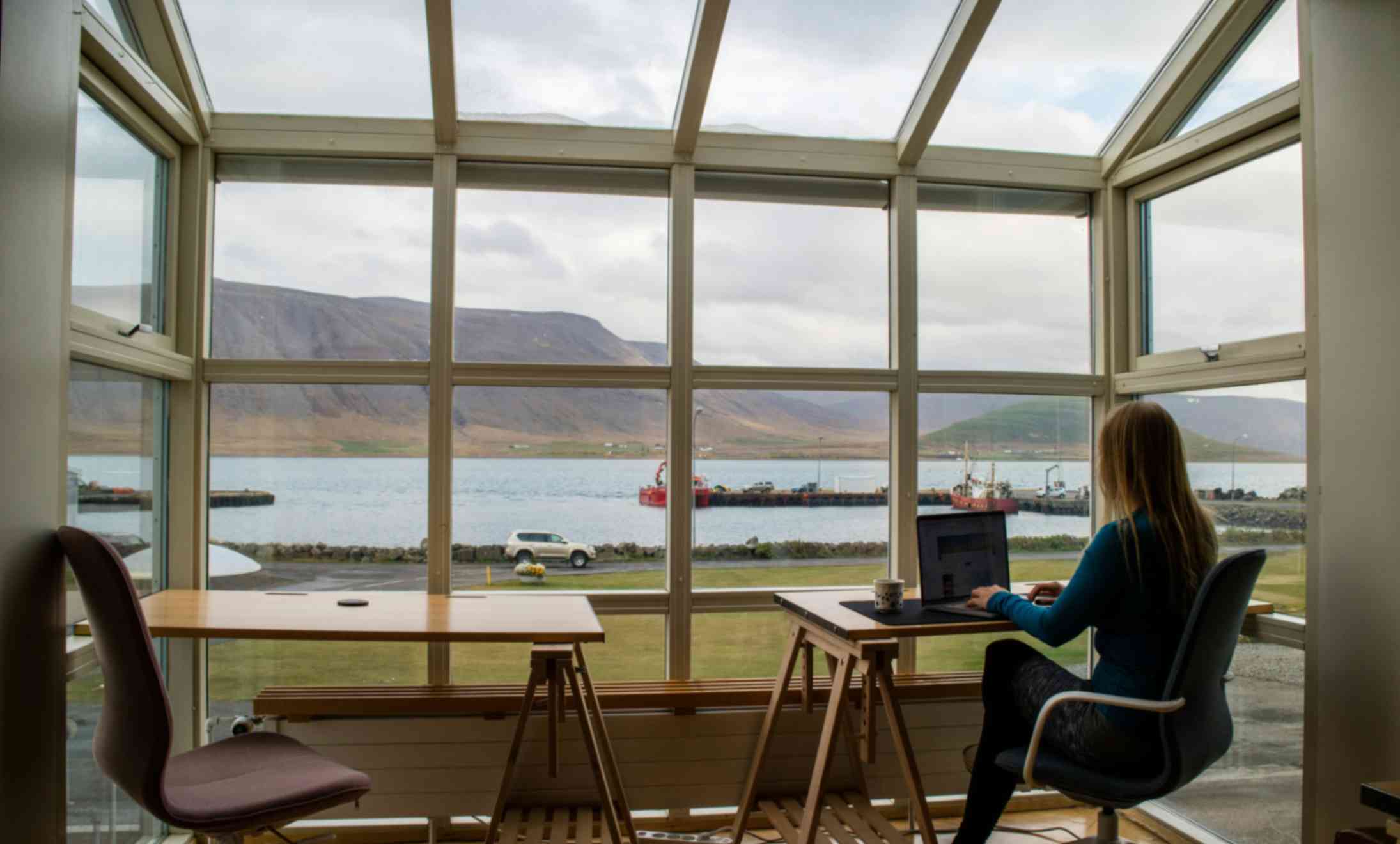
Workation (a blend of “work” and “vacation”) means working remotely from a destination other than your regular home or office—often a scenic location, vibrant city, or even a different country. Unlike traditional vacations, a workation involves maintaining your work schedule and commitments while taking advantage of the benefits of exploring new places.
For first-timers, an ideal duration for a workation is 7, 14, or 28 days. This gives you enough time to settle in, establish a routine, and still enjoy the new environment without the pressure of a long-term commitment.
Workation vs Digital Nomad vs Vacation
| Workation | Digital Nomad | Vacation | |
| Duration | 7–28 days (subjective) | Indefinite | 1–14 days (subjective) |
| Logistics | Usually have a home base you’ll
return to |
Nomadic lifestyle where you’re constantly on the move or working remotely for a prolonged period | Complete break from work, relax, and disengage from all professional responsibilities |
| Visa Needs | A tourist visa will normally suffice | Nomad/extended visas needed | Tourist visa |
Who a Workation Suits (and who it doesn’t)
A workation is ideal for:
- Remote-friendly teams: Individuals whose jobs can be done entirely online, such as developers, writers, or marketing professionals. Additionally, having a great company culture that fosters this type of work is also beneficial.
- Roles with flexible hours: Those who can manage their schedules and work asynchronously with their team.
- Individuals needing a change of pace: Anyone feeling burned out or in a creative rut who wants a fresh perspective.
A workation is not suitable for:
- Roles with strict on-site requirements: Jobs in retail, healthcare, or any field that require a physical presence.
- Individuals who struggle with self-discipline: If you find it hard to stay focused without the structure of a traditional office, a workation might lead to lower productivity.
- Those with complex family commitments: A family workation is possible, but it requires significant planning and coordination that might not be worth the effort for all families.
Is a Workation Right for You?
Take this short quiz to find out if a workation is right for you.
- Does your company support remote work?
- Do your work hours align well with your company’s(at least 4-hour overlap)?
- Can you comfortably budget for the trip without financial stress?
- Do you have a plan for family/home commitments while you’re away?
- Can you set boundaries and focus on work even with leisure activities nearby?
- Do you have the right visas or documentation for remote work if needed?
If you answered “yes” to all of them, a workation is likely a great option for you.
Pros & Cons at a Glance
| Pros | Cons |
| Increased Productivity: A new environment can boost creativity and focus. | Distractions: It can be challenging to balance work with the desire to explore. |
| Improved Job Satisfaction: Breaking the routine can lead to renewed motivation. | Logistical Costs: Flights, accommodation, and food can add up. |
| Enhanced Work-Life Balance: The ability to explore new cultures after work hours. | Internet Issues: Finding reliable high-speed internet is a constant concern. |
| Personal Growth: Stepping out of your comfort zone to experience a new culture. | Potential Loneliness: Working alone in a new city can be isolating without a tight-knit community. |
Choosing a Destination for a Workation

By Time-Zone Overlap
To maintain team communication and workflow, experts suggest at least a 4-hour workday overlap with your colleagues/clients.
| Home Base | 4+ hr Overlap Regions |
| UK/EU | Most of the EU, the UAE, and South Africa |
| US Eastern | Latin America, Western EU, Caribbean |
| APAC (SG/HK) | Australia, New Zealand, Japan, Bali |
By Flight Time
Pick destinations based on how far you’re willing to travel:
- Short-Haul (1-3 hours): Great for a quick escape. Think of traveling from London to Paris or from New York to Toronto.
- Medium-Haul (4-7 hours): Offers a significant change of scenery without the exhaustion of a very long flight. Examples include New York to Mexico City or London to Lisbon.
- Long-Haul (8+ hours): Ideal for an immersive, long-term workation. This might be from the US to Thailand or Europe to New Zealand.
By Budget
Look for destinations with a lower cost of living where your money goes further. Southeast Asia and parts of Central America are often great choices.
Typical nightly stays:
- Guesthouse: $20–40
- Serviced apartment: $50–120
- Hotel: $80–200
To save money, travel during the shoulder season (e.g., May or September in Europe) for 20-35% discounts and fewer crowds. If you intend to stay for an extended period, many properties and coworking spaces offer weekly/monthly savings, and you can look them up on Travala.
Connectivity
Internet connectivity is non-negotiable. Target a minimum speed of 50 Mbps for smooth video calls and file transfers. Look for destinations with a high density of coworking spaces and reliable fiber connections.
Also, ensure you have a backup data plan for a hotspot connection, or rent or buy a portable Wi-Fi device.
Visas & Ease of Stay
Before booking, check the visa requirements for your destination. Many countries allow tourists to work remotely on a standard short-stay visa, but some are cracking down. If you plan a long-term stay, look into remote-work or digital nomad visas.
- Short-term stays: Most countries allow tourist entry for ≤30 days, but some are tightening the rules.
- Short-term stays: If you plan a long-term stay (more than 30 days), look into applying for remote-work or digital nomad visas.
💡 Travala Tip: Always review official government sites for up-to-date information.
Weather & Seasonality
Research the local weather to avoid surprises. Avoid monsoon season, extreme heatwaves, or freezing winters unless you’re prepared for them.
- Choose temperate months: Look for destinations where you can enjoy outdoor activities after work, which can be a great way to de-stress and have fun.
- Best months: March to June and September to November are generally ideal in many locations.
The Family Workation Playbook
A family workation requires careful planning to ensure everyone stays happy and productive.
- Space Planning: Book an apartment or villa with separate rooms so you can have a dedicated workspace away from the kids.
- Routines: Establish a clear daily routine for everyone. This might involve morning work sprints for you while your partner takes the kids out, followed by family time in the afternoons.
- Local Activities: Research local kid-friendly activities, parks, and attractions. This gives your family a chance to explore while you’re working.
Booking Your Workation
Follow this simple flow to book your workation with Travala:
- Pick Dates: Align your desired dates with your work commitments and team availability.
- Book Accommodation: Use Travala to find a property that offers a dedicated workspace and reliable internet. Check reviews for feedback on connectivity.
- Book Flights & Transfers: Secure your flights and arrange for transportation from the airport to your accommodation.
- Pack Workspace Essentials: Don’t forget your laptop, chargers, noise-canceling headphones, and a portable Wi-Fi hotspot as a backup.
- Secure Insurance & Documentation: Get travel insurance that covers you for the duration of your trip. Ensure all your documentation (passport, visa) is in order.
Set Up for Success
Before you leave, create a repeatable routine and security checklist to ensure your trip goes smoothly:
- Routine: Start with a consistent daily schedule. Reserve your workspace the night before.
- Security: Use a VPN for work, don’t share WiFi for sensitive tasks, and lock devices when away.
- Connectivity: Test all equipment on Day 1. Have a backup plan for internet outages.
- Networking Opportunities: Combining a workation with the chance to grow your professional network and gain fresh insights can make the experience even more rewarding.
- Wellness: Schedule breaks and post-work outdoor time to maintain balance.
Best Destinations for a Workation
Ready to choose your first workation destination? Here are a few top picks that offer the ideal mix of reliable infrastructure, vibrant local culture, and all the essentials for productive remote work.
Lisbon, Portugal

Lisbon is an excellent choice for a first-time workation, especially for those in Europe or with a team in the US. Its near-EU-friendly time zone makes a work schedule simple to manage.
The city’s historic, walkable neighborhoods are packed with charming cafes and modern coworking spaces, all connected by reliable fiber internet. You’ll find a lively community of digital nomads and remote workers, making it easy to meet people.
After work, you can enjoy stunning sunsets, explore historic sites, and indulge in delicious Portuguese food.
✈️ Travel guides:
- Discover Top Hotels and Activities in Lisbon.
- Check out our Ultimate Travel Guide for Portugal in 2025.
Chiang Mai, Thailand

If budget is a top priority, Chiang Mai is a dream destination. Known for its incredibly low cost of living, you can spend less on accommodation and food without sacrificing quality of life.
The city has a high density of affordable cafes and coworking spaces, making it a hub for remote workers. Its calm, green setting in the mountains provides a peaceful backdrop that makes it easy to stay productive and focused.
When your work hours are done, you can explore ancient temples, hike to scenic waterfalls, or take part in local cooking classes.
✈️ Travel guides:
- Check out our Ultimate Travel Guide for Thailand in 2025.
Mexico City, Mexico

For remote workers in the US, Mexico City offers a great time zone overlap, making communication with your team easy. The city’s trendy neighborhoods, like Roma and Condesa, have a fast-growing coworking scene and a vibrant atmosphere.
Beyond work, Mexico City is a cultural powerhouse with endless museums, world-class restaurants, and a rich history to explore. It’s the perfect destination if you’re looking for a dynamic urban environment with a strong sense of community.
✈️ Travel guides:
- Check out our Ultimate Travel Guide for Mexico in 2025.
Cape Town, South Africa

Cape Town provides the perfect combination of natural beauty and a thriving urban center. With a near-EU-friendly time zone and strong internet in its central areas, it’s a fantastic spot for a working holiday.
The city’s stunning natural landscapes, from Table Mountain to pristine beaches, are perfect for post-work resets. It’s best to visit during the summer months (December to February) to take full advantage of the outdoors.
💡 Travala Tip: If you intend to travel at the end of the year, check out Best Places to Travel in December on a Budget!
The city’s energetic vibe and diverse culture will inspire you both inside and outside of your work hours.
✈️ Travel guides:
- Find out when the best time is to book flights.
- Find out when’s the Best Day to Book a Hotel for Maximum Savings and Convenience.
Auckland, New Zealand
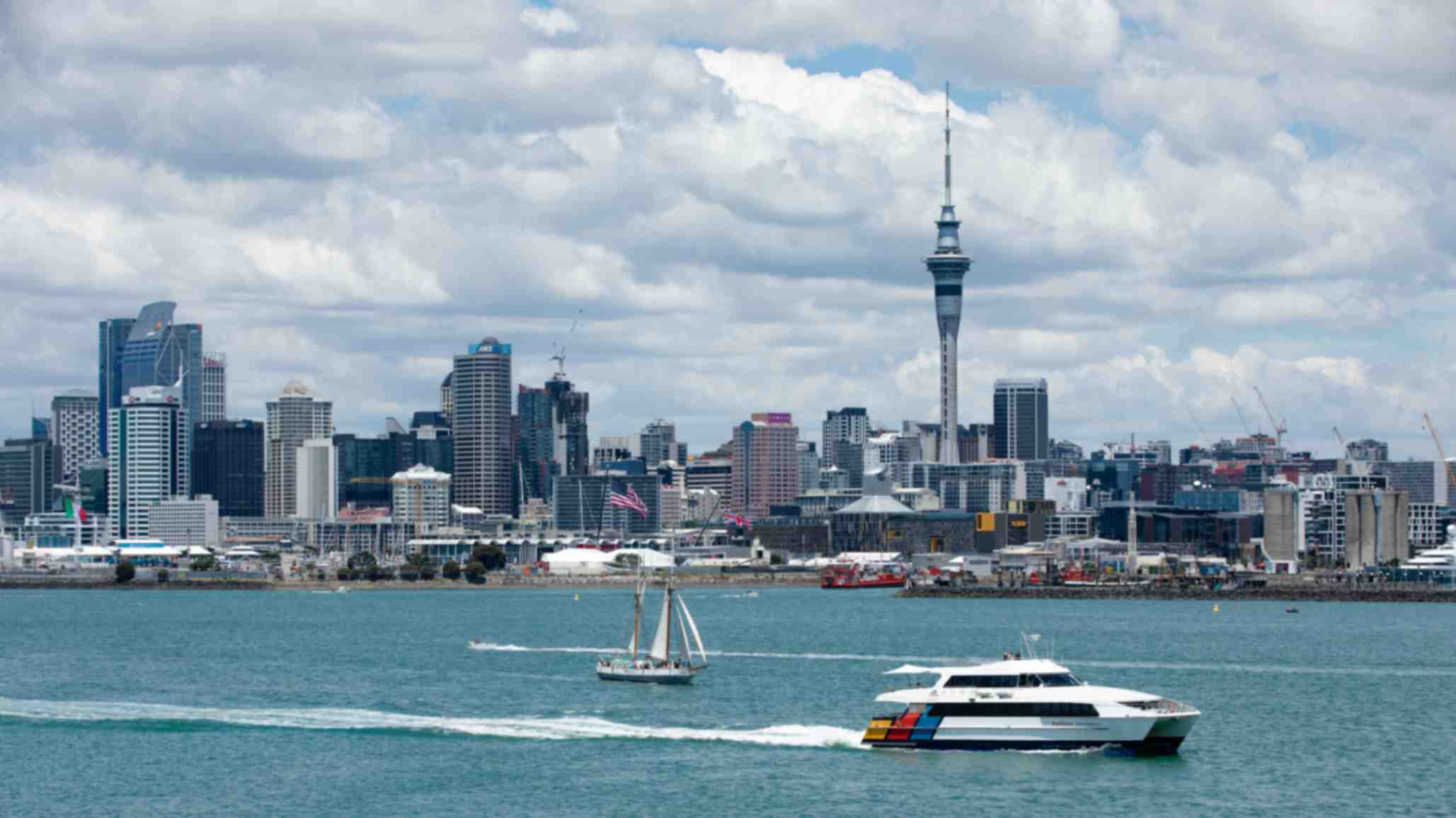
If you’re looking for a safe, scenic, and relaxed environment, Auckland is a top contender. It’s ideal for deep-work sprints during the week, thanks to its reliable Wi-Fi and calm pace of life.
On the weekends, you can take advantage of the beautiful landscapes, from volcanic islands to black-sand beaches, for a truly restorative escape. Auckland offers a high quality of life and a clean, fresh environment that can help you feel refreshed and inspired.
✈️ Travel guides:
- Find out when the best time is to book flights.
- Find out when’s the Best Day to Book a Hotel for Maximum Savings and Convenience.
Ready to Book your Workation?
Ready to start planning your perfect workation? With Travala, you can easily find the perfect accommodation to support your work needs and your travel dreams.
With access to over 3 million travel products worldwide, Travala allows you to easily find the perfect hotels, flights, and activities for your budget-friendly trip, all on a single platform.
Travala also offers unrivaled payment flexibility, allowing you to book travel with over 100 cryptocurrencies, including Bitcoin, Ethereum, Solana, and stablecoins such as USDT and USDC. Book today and explore more destinations to visit during spring!
START YOUR CRYPTO TRAVEL JOURNEY NOW!
[Book Travel] | [Loyalty Program]
Frequently Asked Questions (FAQs)
Q: What is a workation?
A workation is a unique and productive blend of work and vacation. It’s an opportunity to work remotely from a new location, combining your professional responsibilities with the benefits of travel. Unlike a traditional vacation, where you completely disconnect, a workation is about maintaining your work schedule while immersing yourself in a new environment to boost creativity and job satisfaction.
Q: How do I plan a productive schedule?
Planning a productive schedule is key to a successful workation. Start by aligning your work hours with your team’s time zone to ensure a smooth overlap for meetings and communication. Create a daily routine that includes dedicated work blocks, but also allows for breaks, meals, and exploring your new surroundings. Use a calendar app to block off work commitments and leisure activities to maintain a healthy work-life balance.
Q: Can I do a family workation?
Yes, a family workation is entirely possible and can be a fantastic experience for everyone! The key is meticulous planning. Choose a destination with kid-friendly activities and book a larger accommodation with separate spaces for work and play. Establish a clear routine that balances your work commitments with quality family time. Consider hiring a local babysitter or finding a co-working space with childcare services to give yourself dedicated, distraction-free work hours.
Q: Do I need a visa?
Visa requirements for a workation depend on your nationality and the destination you choose. For short trips, many countries allow remote work on a standard tourist visa. However, for longer stays, you may need a specific remote-work or digital nomad visa. Always check the official government websites for the most up-to-date regulations before booking. Ensure your visa and passport are valid for the entire duration of your trip.
Q: What gear do I need?
To ensure your workation is productive, you’ll need the right gear. A reliable laptop and its charger are a given. Essential accessories include noise-canceling headphones to stay focused in public spaces, a portable Wi-Fi hotspot for a backup internet connection, and any other peripherals you use for work, like a portable monitor. Don’t forget a secure bag to carry everything safely.
Q: How much does it cost?
The cost of a workation can vary widely based on your destination, duration, and lifestyle. Popular destinations in Southeast Asia or Central America often have a lower cost of living, making them more budget-friendly. Conversely, a workation in Western Europe or North America might be more expensive. To keep costs down, consider traveling during the shoulder season, booking accommodation with long-stay discounts, and cooking some of your meals. You can find accommodation options for every budget on Travala.
