

Navigating London’s transport map can look intimidating at first glance, but using the network is straightforward once you understand three basic things: which mode suits your specific journey, how transport zones work, and how to pay.
Most first-time visitors rely on a combination of four core options:
- The Tube (London Underground): Generally the fastest choice for longer journeys across central London.
- London Buses: Perfect for lower-cost surface travel, step-free access, and scenic urban routes.
- Walking: Often the quickest way to get between attractions that are close together in central areas.
- The Elizabeth line & London Overground: Modern rail alternatives that provide rapid east-west cross-city transit and suburban links.
By combining these options, you can explore the capital efficiently, affordably, and confidently.
What Is the Best Way to Get Around London?
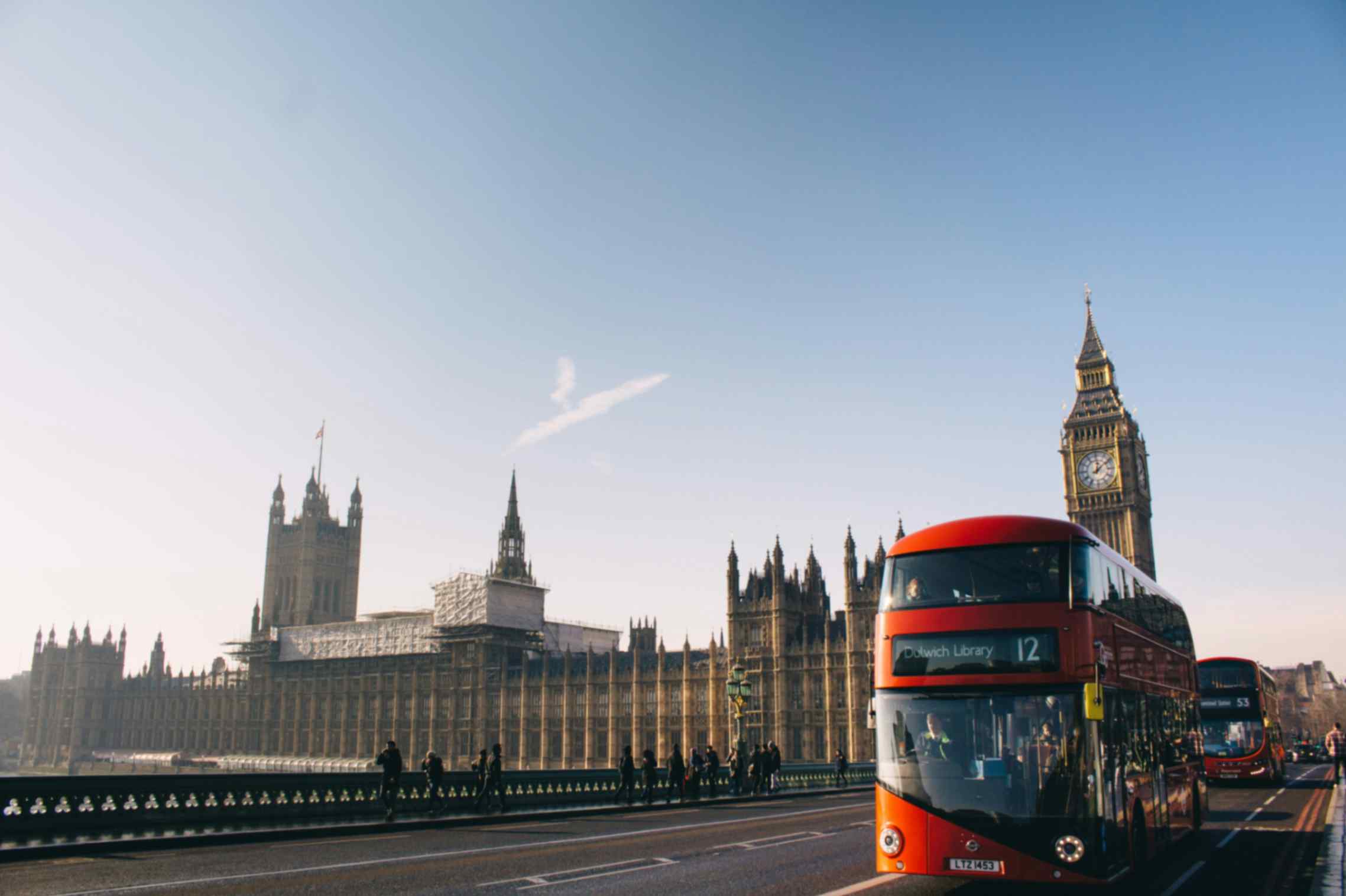
The best way to get around London is usually a combination of the Underground, buses, and walking. Use the Tube for longer journeys across the city, walk between nearby central London attractions, and take buses when you want a cheaper journey or to see the city as you travel. Contactless payment or an Oyster card works across most London public transport, with daily fare caps helping limit how much you spend.
Transport for London allows pay-as-you-go travel using contactless or Oyster across the Tube, buses, trams, DLR, London Overground, most Elizabeth line services, many National Rail journeys, the London Cable Car, and Thames Clippers River Bus services.
| Transport | Best for | Speed | Cost | Sightseeing Value |
| Tube | Fast cross-city journeys | High | ££ | Low |
| Bus | Budget trips and sightseeing | Medium | £ | High |
| Walking | Nearby central attractions | Varies | Free | High |
| Elizabeth Line | Fast east-west journeys and Heathrow Airport | High | ££ | Low |
| Overground | Journeys around rather than through central London | High | ££ | Medium |
| DLR | Canary Wharf, Greenwich area and East London | High | ££ | High |
| River bus | Thames journeys and sightseeing | Medium | £££ | High |
| Santander Cycles | Short trips and parks | Low | £ | High |
| Taxi/Uber | Door-to-door convenience | Depends on traffic | £££ | Medium |
Understanding London Transport Before You Travel
Transport for London (TfL) operates much of the public transit network across the city. To plan effectively, keep this basic mental model in mind:
- Travel Zones: London’s public transport system has nine fare zones, radiating outward from the center.
- Zones 1 and 2: Zone 1 covers the core of central London, and the majority of major tourist attractions are located within Zones 1 and 2.
- Fare Structure: Rail fares vary according to the zones you travel through and the time of day (peak vs. off-peak hours).
- Simple Payments: Contactless and Oyster payment systems simplify pay-as-you-go travel.
- Fare Capping: Daily fare caps apply automatically when eligible pay-as-you-go journeys are made consistently using the exact same payment method.
How to Use the London Underground
The London Underground currently comprises 11 lines. Tube services generally operate from around early morning until around midnight, while selected lines also operate overnight on Friday and Saturday nights.
Step 1: Find Your Station and Route
- Use TfL Go, TfL Journey Planner, Google Maps, or another route planner app.
- Look at the line color and name on the official Tube map.
- Identify your platform direction using the line’s destination name or directional signage (Northbound, Southbound, Eastbound, or Westbound).
- Note any interchange stations if you need to switch lines.
- Check live disruption statuses before longer journeys. TfL provides live status information and journey planning across Tube, Overground, Elizabeth line, DLR, and Tram services.
Step 2: Tap In
- Approach the yellow card reader at the ticket gates.
- Touch your contactless card, smartphone, smartwatch, or Oyster card flat onto the reader.
- Crucial rule: Each traveler needs their own individual payment method. Do not attempt to pay for multiple adults using a single contactless card.
Step 3: Change Lines if Necessary
- Follow the color-coded transfer directional signs inside the station rather than exiting through the gates.
- Large interchange stations can involve considerable walking underground. Allow additional transfer time at complex hub stations such as King’s Cross St Pancras, Bank/Monument, or Paddington.
Step 4: Tap Out
- Rail journeys require tapping in at the start and tapping out at your destination station gate.
- Using the same payment method is essential.
- Failure to tap correctly can result in an incomplete journey charge or a maximum penalty fare. TfL specifically instructs passengers to use the same card or device at both ends of the journey; tapping in with a phone and out with the associated physical card, for example, can result in incorrect charging.
Contactless vs Oyster: Which Is Best for Visitors?
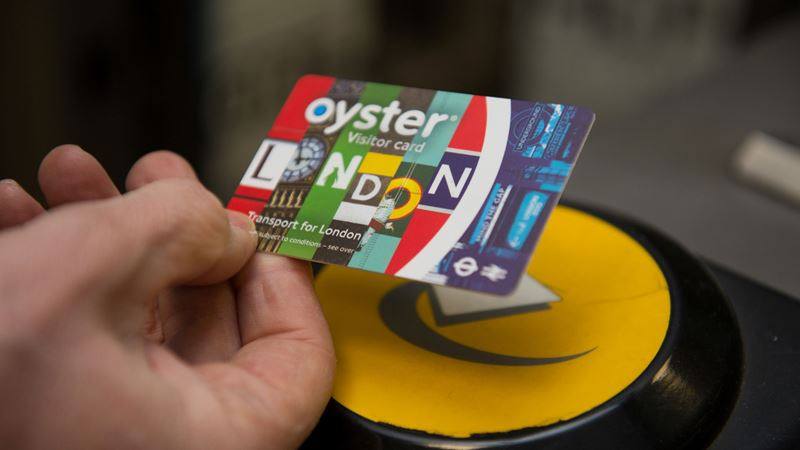
Link: https://www.visitlondon.com/traveller-information/getting-around-london/oyster
For many adult visitors with an eligible bank card or smart device, contactless is the easiest option. Oyster remains useful for travelers who cannot or prefer not to use contactless cards, and in certain situations involving children or special fare discounts.
Using Contactless
- Pay directly using a physical bank card, smartphone (Apple Pay, Google Pay), or smartwatch.
- No top-up queues or card fees required.
- Note for international travelers: International cards may incur foreign transaction charges from your home card provider.
- You must use the same card or device consistently throughout the day to qualify for fare caps.
Using an Oyster Card
- A reusable smartcard loaded with prepaid travel credit at station machines.
- You touch in and touch out in the exact same way as a contactless card.
- Ideal for travelers who do not wish to use their foreign bank cards directly.
- Necessary for applying certain visitor discounts or child concession fares.
What About Travelcards?
- Paper Travelcards still exist for 1-day or 7-day travel.
- Many short-term visitors will find pay-as-you-go contactless or Oyster simpler and more flexible.
- A paper Day Travelcard is not automatically the best-value choice. TfL currently states that pay as you go with daily capping is cheaper than buying a Day Travelcard for journeys within Zones 1–9.
How London Transport Zones Work
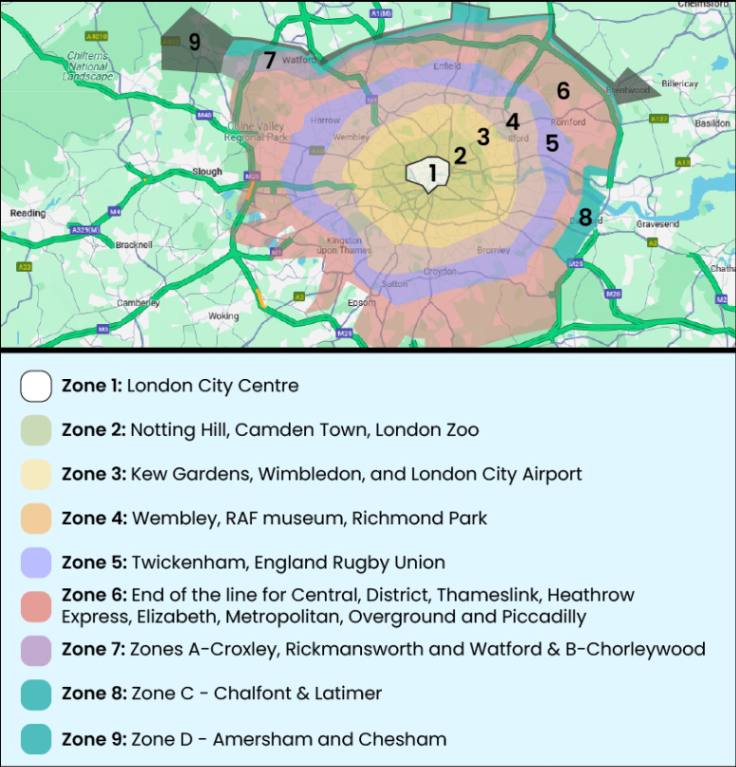
Link: https://www.graddinghomes.com/blog/uk/london-zones
London’s transit system uses nine fare zones to calculate rail fares:
- Zone 1: The geographic and cultural core of London.
- Outer Zones: Zones 2 through 9 radiate outward from the center.
- Fare Calculation: Fares depend on which zones your journey passes through, as well as peak or off-peak timing.
- Sightseeing Scope: Most first-time sightseeing trips primarily involve Zones 1 and 2.
Zone 1 Attraction Examples:
- Westminster (Big Ben, Houses of Parliament)
- Covent Garden & Soho
- Tower of London
- South Bank & London Eye
- Buckingham Palace area
Zone 2 & Outer-Central Examples:
- Greenwich area (depending on rail route)
- Camden Market
- Key residential accommodation neighborhoods (e.g., Kensington, Shoreditch, Shepherd’s Bush)
Airports such as Heathrow (Zone 6) are located further out than standard central sightseeing areas.
How Daily and Weekly Fare Caps Work
Fare capping is one of London transport’s most visitor-friendly features:
- Automatic Limits: Pay-as-you-go journeys automatically stop charging once your total spent reaches the daily cap for the zones traveled. Any subsequent eligible journeys that day are free.
- Consistency: You must use the same card or device for every transaction all day.
- Weekly Capping: Contactless payment offers a weekly cap operating on a Monday–Sunday calendar limit across eligible journeys.
- Exceptions: River Bus journeys follow separate operator fare structures and do not count toward standard TfL pay-as-you-go daily caps.
How to Use London Buses
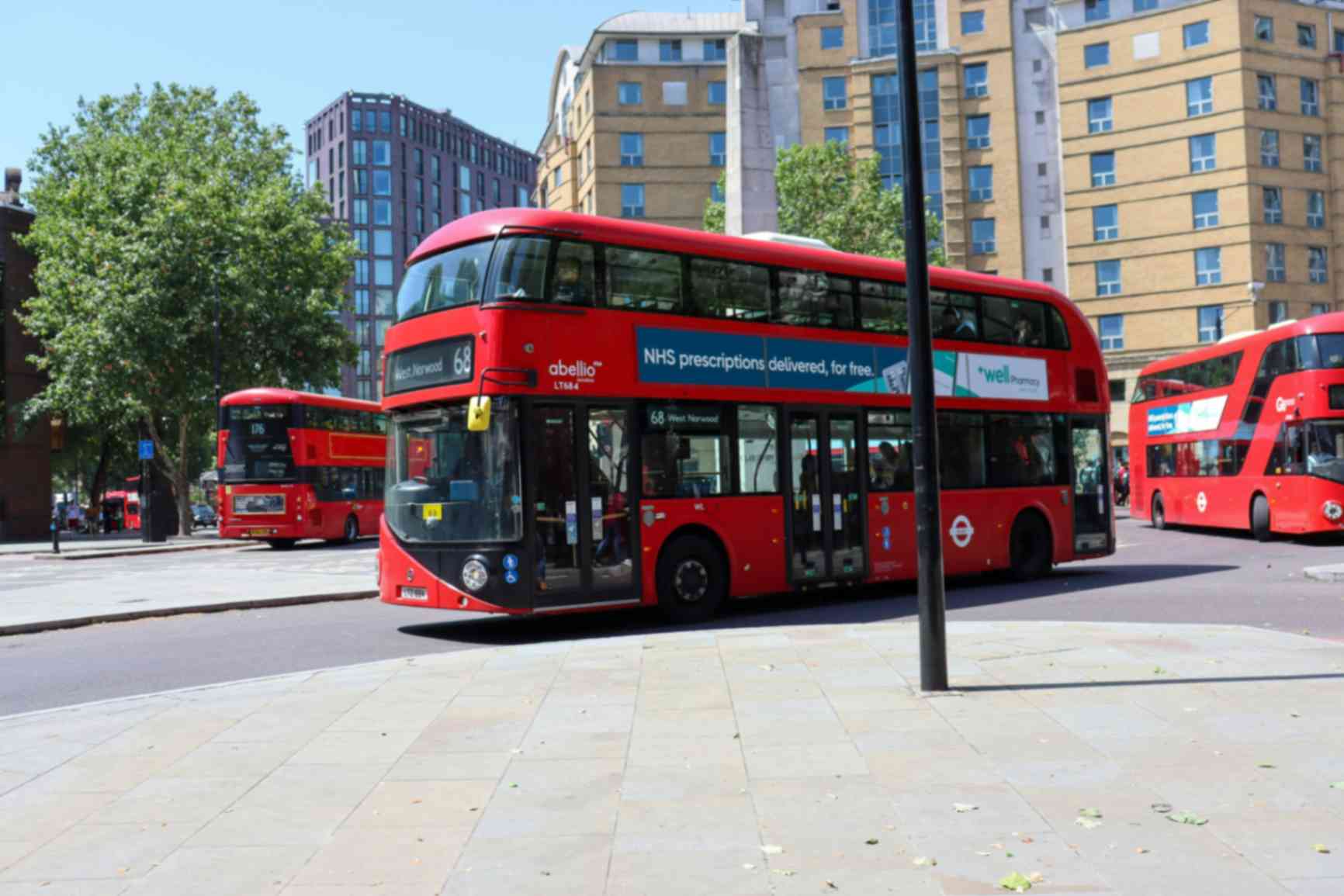
Buses are both a practical transport method and an inexpensive alternative to sightseeing tours.
- Tapping Rules: Tap in on the yellow card reader near the driver when boarding. Do not tap out when exiting a bus.
- Cashless: Cash is not accepted on any London bus.
- Flat Fare: London buses currently charge a flat pay-as-you-go fare regardless of distance.
- Hopper Fare: The Hopper fare allows unlimited bus and tram changes made within one hour of your first touch-in for a single fare (£1.75).
- Night Buses: Extensive overnight routes keep the city connected 24/7.
- Accessibility: All London buses feature step-free ramps and dedicated wheelchair spaces.
- Sightseeing: Sitting on the top deck of a red double-decker bus provides incredible city views, though surface traffic can make buses slower than the Tube during peak hours.
Pro tip: Join the AVA Smart Program and pay with AVA to get up to 13% off on your travel booking!
Bus vs Tube: Which Should Tourists Choose?
- Use the Tube when: The travel distance is significant, timing is critical, or road traffic is heavy.
- Use the bus when: Traveling relatively short distances, looking to sightsee, needing step-free boarding, or seeking a lower-cost fare.
- Walk when: Stations are extremely close together or the walking route itself is lined with attractions.
When Walking Is the Best Way to Explore London
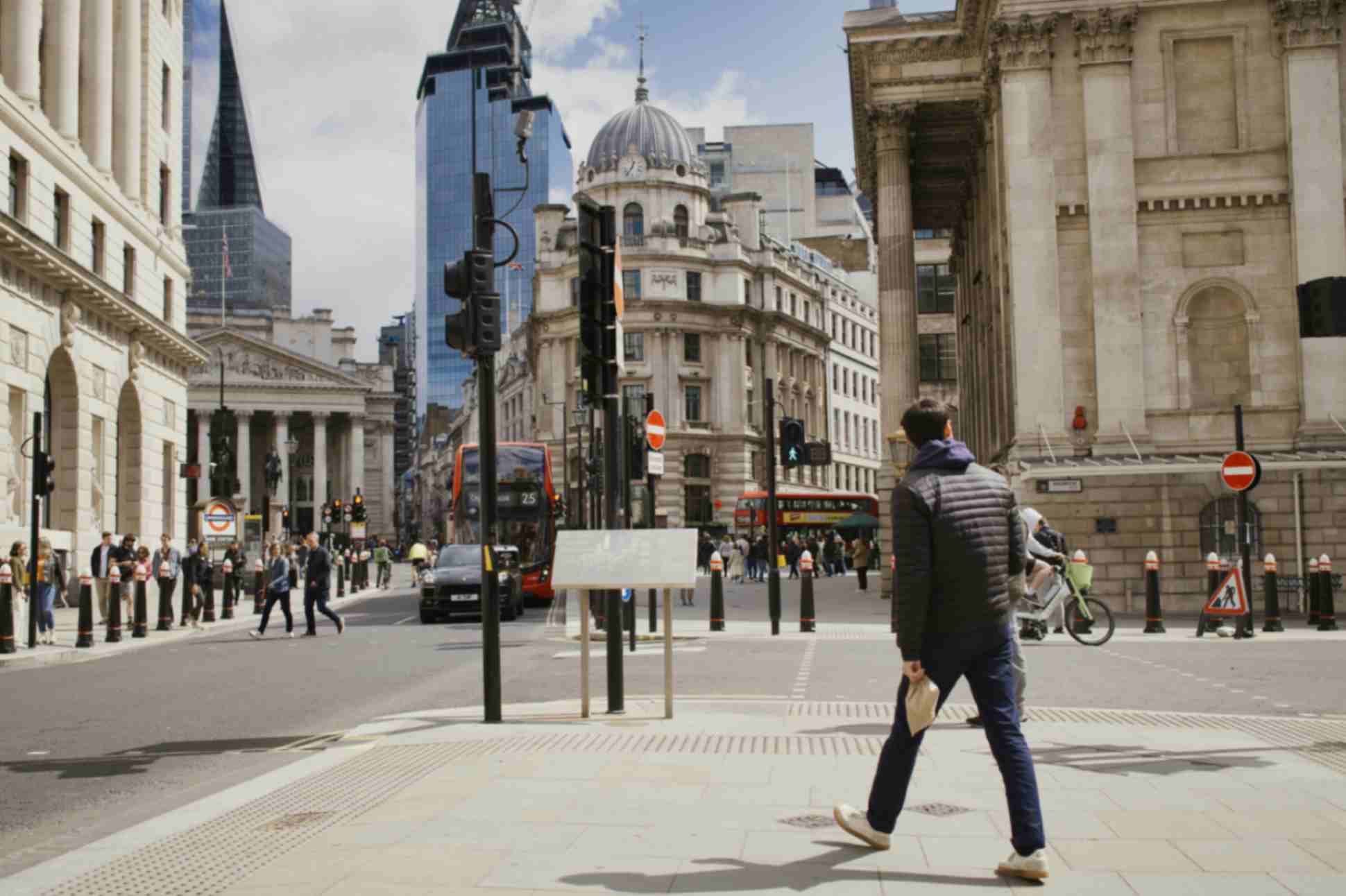
Central London is significantly more compact than the diagrammatic Tube map suggests. Underground maps are topological schematics designed for rail clarity, not geographical accuracy. Because entering a station involves escalators, platforms, and waiting times, walking is often faster for short distances while revealing historic architecture, parks, and shops you would otherwise miss.
Ideal Walkable Combinations:
- Leicester Square → Covent Garden: Takes 5 minutes on foot; taking the Tube takes longer due to station navigation.
- Westminster → South Bank: Walk across Westminster Bridge for landmark photos.
- Trafalgar Square → Buckingham Palace: A pleasant stroll down The Mall.
- Tower of London → Tower Bridge: Located right next to each other along the river.
- Soho → Covent Garden: Easily walked through vibrant West End streets.
- St Paul’s → Millennium Bridge → Tate Modern: A direct pedestrian path crossing the Thames.
- Hyde Park → Kensington: A scenic stroll through Royal Gardens.
- Borough Market → South Bank: A popular pedestrian route along the riverbank.
Using the Elizabeth Line
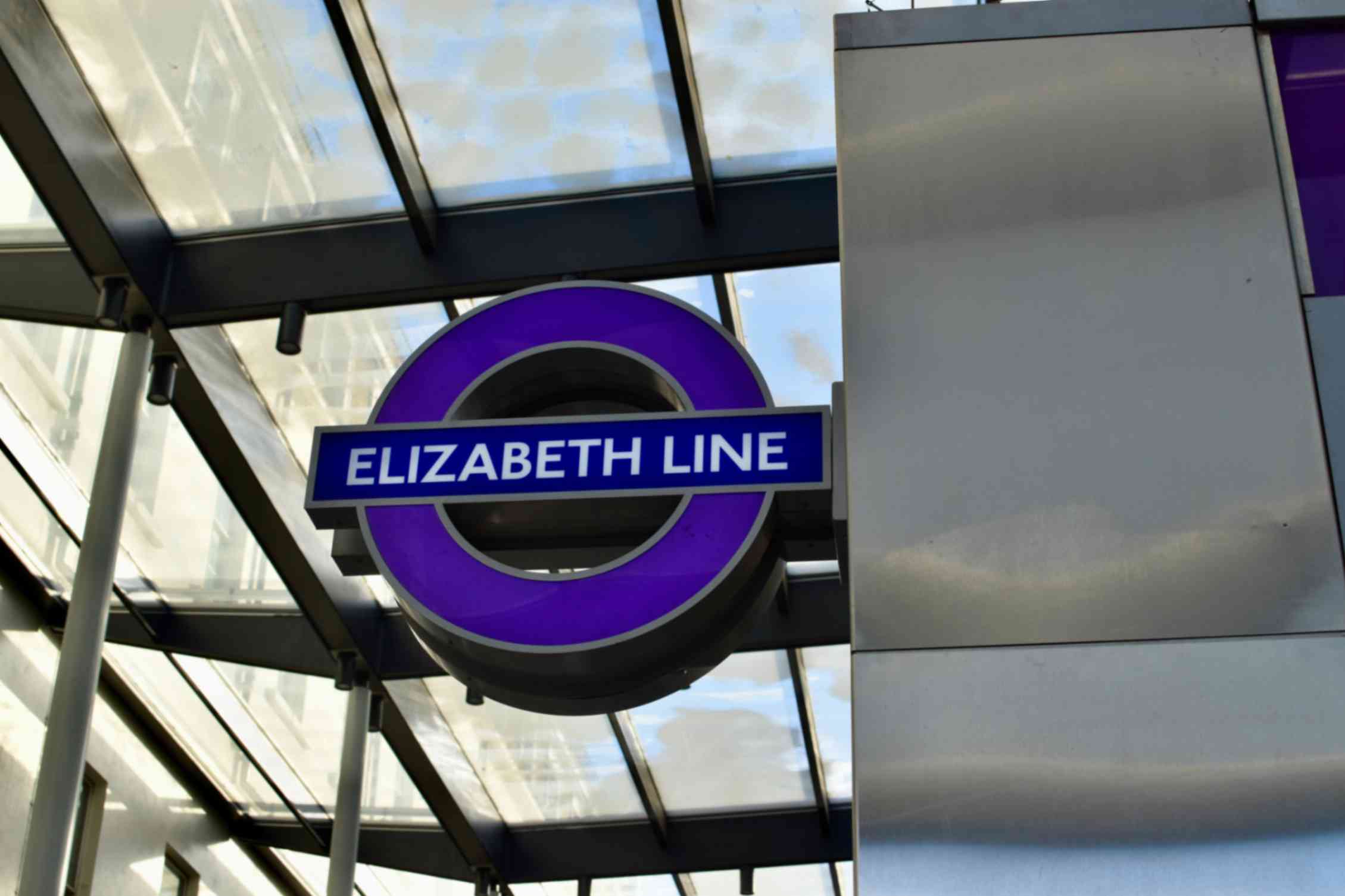
The Elizabeth line links Heathrow and Reading in the west with central London and destinations east of the city. TfL states that Paddington to Heathrow takes approximately 28 minutes, with six Elizabeth line trains per hour serving Heathrow.
- Key Central Hubs: Serves major interchange stations including Paddington, Bond Street, Tottenham Court Road, Farringdon, Liverpool Street, and Canary Wharf, continuing toward Abbey Wood.
- Modern Fleet: Features large, spacious, fully air-conditioned, high-speed trains.
- Accessibility: Built with modern step-free station access throughout.
- Payment: Fully integrated into standard TfL contactless and Oyster pay-as-you-go pricing (with specific fare adjustments for Heathrow Airport).
Using the London Overground and National Rail
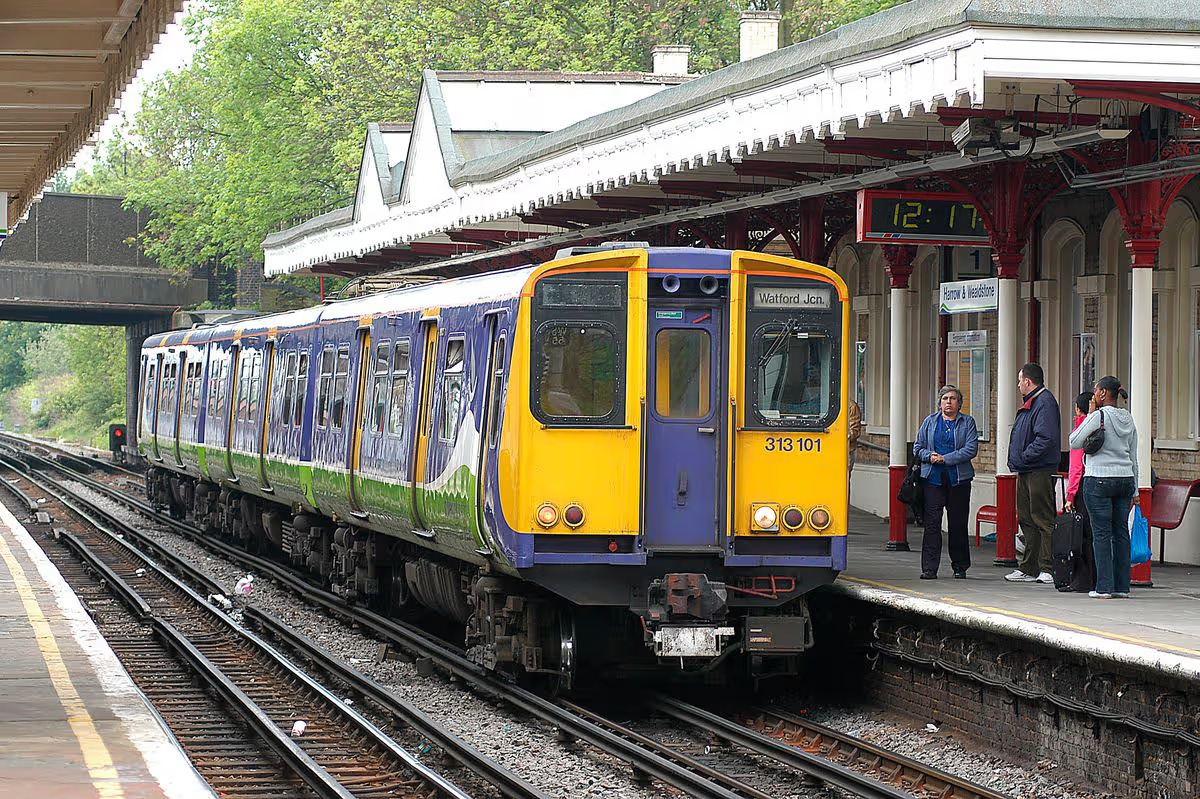
Link: https://www.mylondon.news/lifestyle/travel/national-rail-classic-london-overground-26479384
London Overground
- Best for: Moving around the city outer rings without passing through central Zone 1, and serving neighborhoods not directly on the Tube map.
- Coverage: Connects key hubs across north, east, west, and south London (e.g., Shoreditch, Camden, Richmond).
- Line Names: Overground services have been given individual line names (e.g., Windrush, Mildmay, Lioness lines), so consult modern maps rather than looking for generic “orange lines.”
National Rail Services
- Best for: South London suburban travel (where Tube coverage is lighter), day trips outside the city, and connecting to nationwide UK rail services.
- Payment: Contactless and Oyster cards work on many National Rail services within London’s pay-as-you-go zone, but do not apply universally across the rest of Britain.
Using the DLR
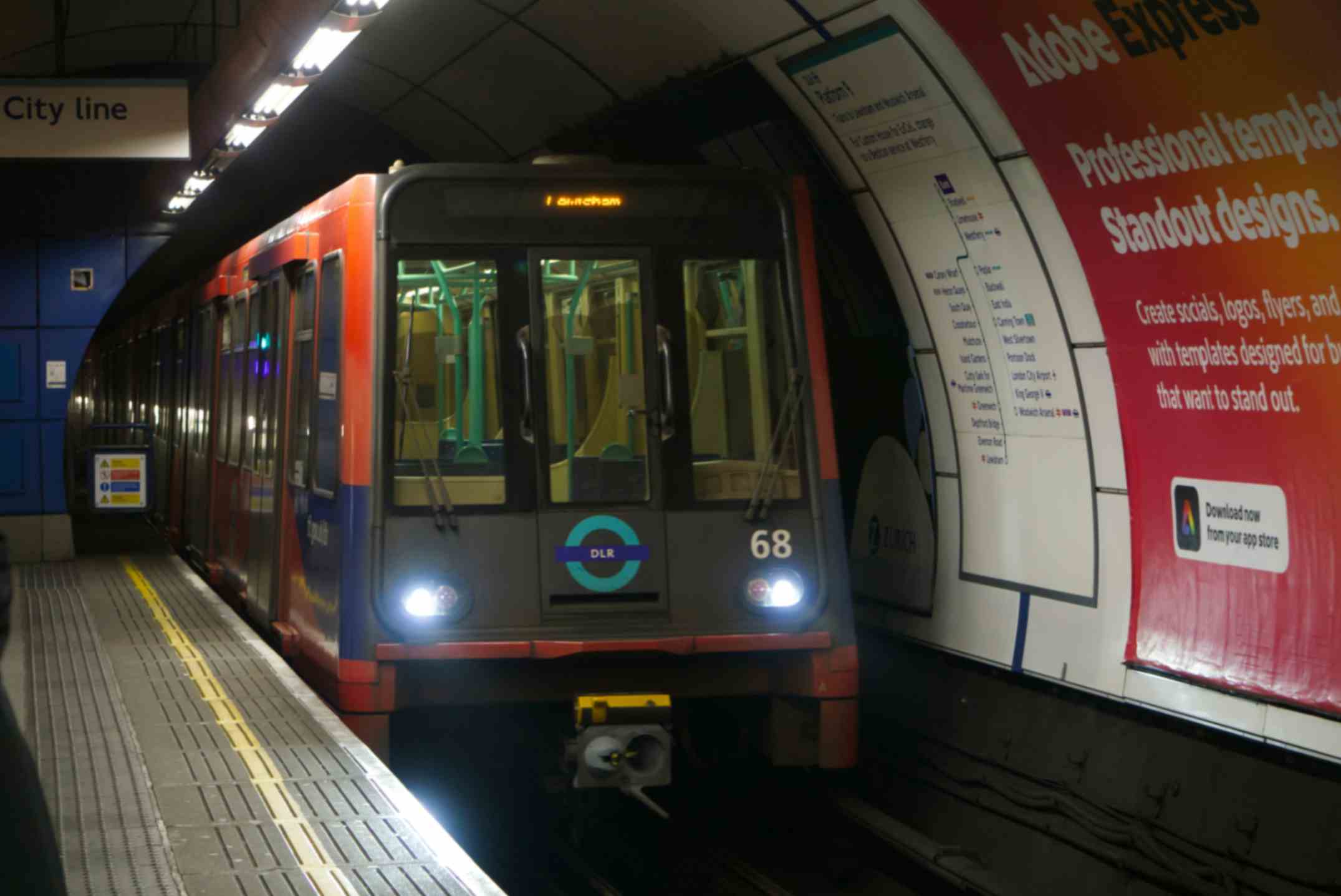
The Docklands Light Railway (DLR) is an automated elevated light rail system primarily serving East London.
- Best for: Accessing Canary Wharf, Greenwich / Cutty Sark, the Royal Docks, and London City Airport.
- Key Features: Driverless trains with elevated tracks offering panoramic views of East London’s modern skyline and historic dockyards.
- Payment: Operates on the exact same tap-in and tap-out contactless/Oyster system as the Underground.
Getting Around London by Boat
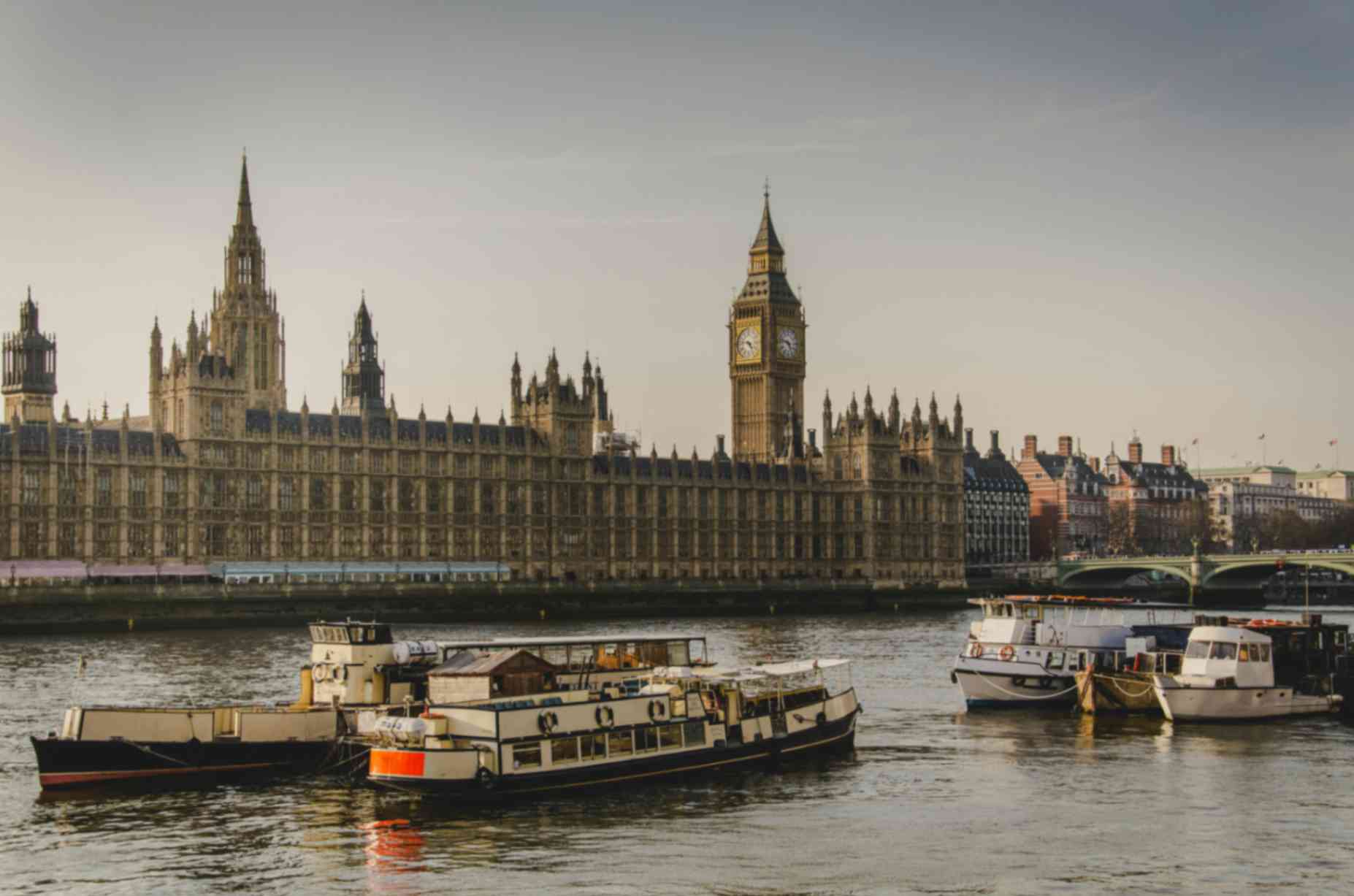
River Bus services (operated by Uber Boat by Thames Clippers) combine practical transport with scenic Thames sightseeing.
- Piers Covered: Connects major landmarks from Battersea Power Station, Westminster, and the London Eye to the Tower of London, Canary Wharf, and Greenwich.
- Payment: Accepts contactless and Oyster pay-as-you-go (tapped on pier readers, not on board).
- Cost & Capping: Fares are higher than standard Tube or bus fares, and River Bus travel does not count toward daily TfL fare caps (though Oyster/contactless users receive a fare discount compared to paper tickets).
Cycling Around London
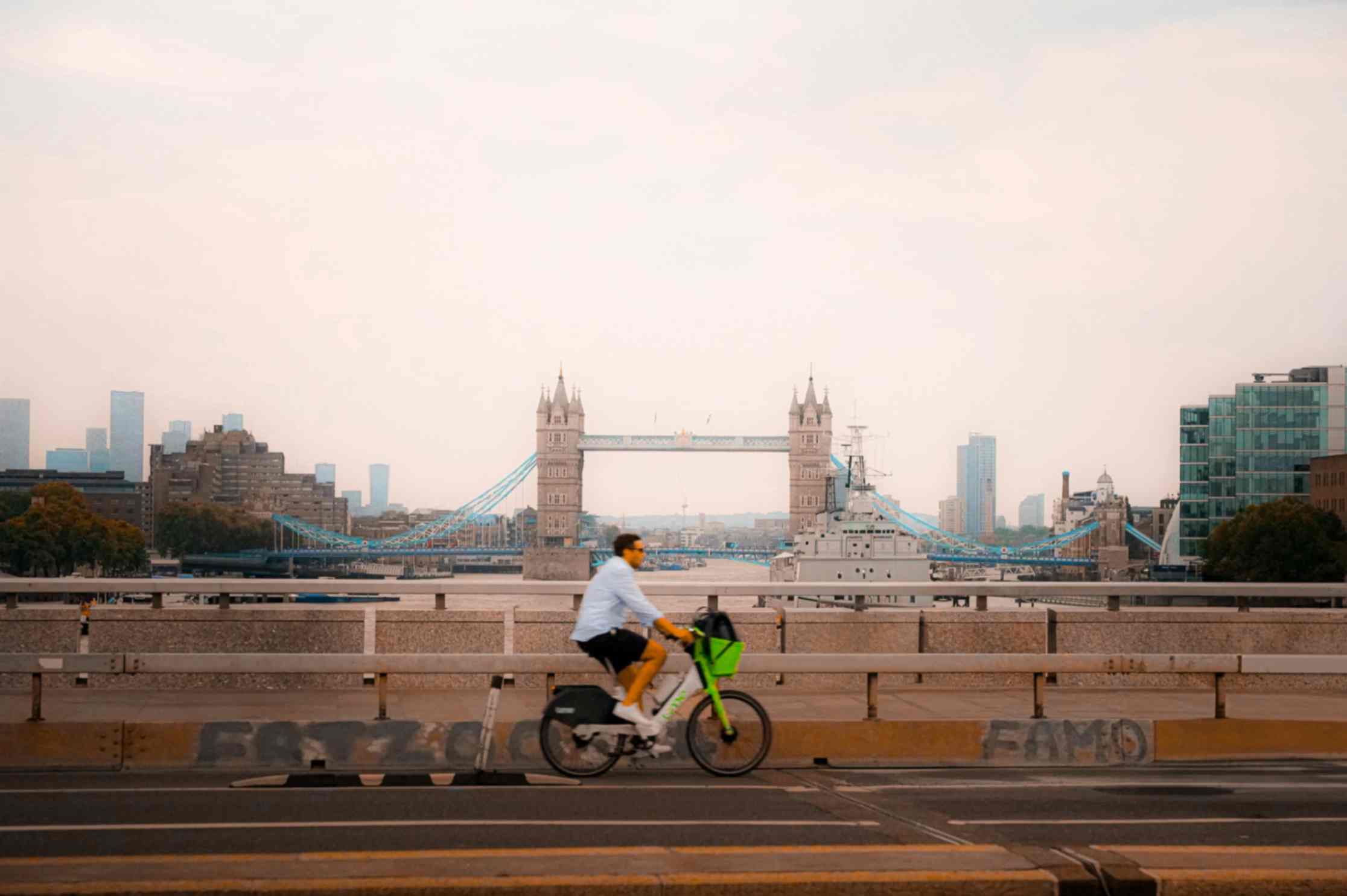
Cycling is a great option for confident riders, particularly through London’s parks and dedicated cycle lanes.
- Santander Cycles: London’s public bike-share system uses self-service docking stations across central areas. E-bikes and classic pedal bikes are available via app or terminal card payment.
- Cycleways: Utilizes protected Cycleways and designated routes through central districts and royal parks (such as Hyde Park and Regent’s Park).
- Safety Rules: Helmets are optional but recommended. It is illegal to cycle on pedestrian sidewalks (pavements) unless explicitly designated as a shared-use path.
Taking Taxis and Rideshares in London
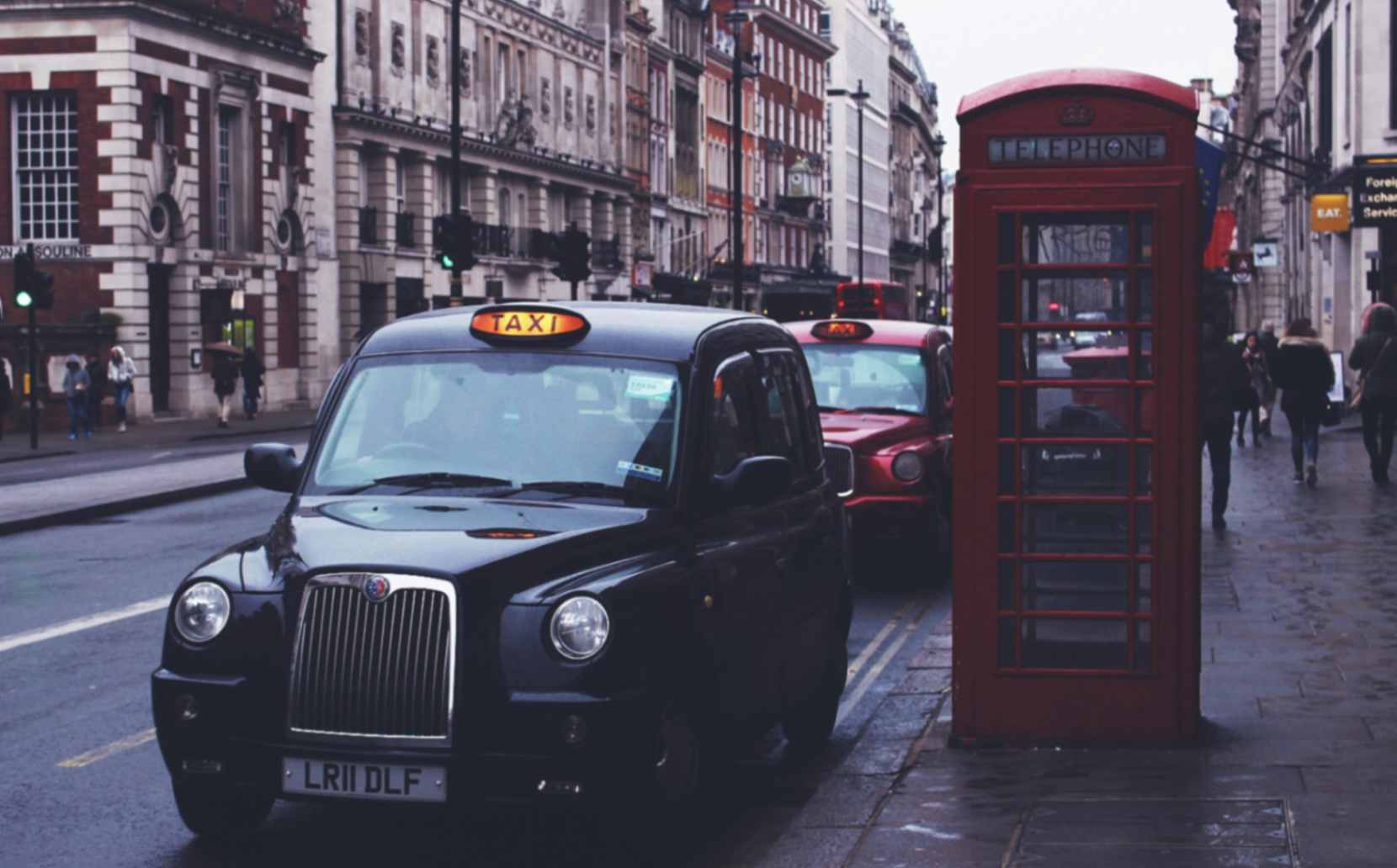
Black Cabs
- Best for: Door-to-door convenience, heavy luggage, late-night transit, and full wheelchair accessibility.
- Features: Licensed drivers who have passed “The Knowledge” memory test. Can be hailed in the street when the yellow “TAXI” light is illuminated or picked up at station taxi ranks.
- Fares: Metered fares; credit/debit card payment is mandatory in all black cabs. Significantly more expensive than public transport.
Rideshare & Private-Hire
- Options: App-based services (Uber, Bolt) operate widely across London.
- Considerations: Dynamic pricing applies during peak demand. Street traffic in central London can make car journeys significantly slower than taking the Underground.
Does London Public Transport Run at Night?
London offers multiple nighttime transport options:
- Night Tube: Operates 24 hours on Friday and Saturday nights on selected lines (Central, Jubilee, Northern, Piccadilly, and Victoria lines).
- Night Buses: Extensive 24-hour bus services (routes marked with an “N”, alongside regular 24-hour routes) run 7 days a week across the city once rail lines close around midnight.
- Taxis & Rideshares: Readily available throughout the night.
- Schedule Checks: Always double-check late-night rail timetables on weekdays when services typically wrap up around 00:30.
Getting From London Airports Into the City
| Airport | Primary Rail Transit Options | Average Travel Time to Central Hubs |
| Heathrow (LHR) | Elizabeth line, Piccadilly Tube line, Heathrow Express train | 15–50 minutes |
| Gatwick (LGW) | Gatwick Express, Thameslink, Southern Rail to Victoria/London Bridge | 30–45 minutes |
| Stansted (STN) | Stansted Express train to Liverpool Street, express coaches | 45–50 minutes |
| Luton (LTN) | Luton DART shuttle to Luton Airport Parkway + Thameslink train | 40 minutes |
| London City (LCY) | DLR light rail directly connected to terminal | 20–30 minutes |
Is London Public Transport Accessible?
London’s network offers widespread options for travelers with reduced mobility, strollers, or heavy luggage:
- Elizabeth Line & DLR: Fully step-free across platforms and trains.
- London Buses: 100% accessible with low-floor entry, fold-out ramps, and dedicated wheelchair bays.
- Underground Lifts: While many older deep-level Tube stations rely on stairs and escalators, modern stations offer lift access. Look for the blue wheelchair icon on official TfL maps to identify step-free stations from platform to street level.
- Planning: Use the TfL Go app to filter routes specifically by step-free requirements.
Getting Around London With Children
Family travel rules can significantly reduce your overall trip costs:
- Children Under 5: Travel free at all times on all TfL services.
- Children Under 11: TfL currently allows children under 11 to travel free on buses and trams and, when accompanied by an eligible fare-paying adult, on the Tube, DLR, London Overground, Elizabeth line, and some National Rail services. Up to four children can accompany one adult under these rules.
- Aged 11–15: Travelers aged 11–15 may be eligible for a Young Visitor discount added to an Oyster or Visitor Oyster card by a member of TfL station staff, giving 50% off adult pay-as-you-go rates for up to 14 days.
- Strollers & Buggies: Buses feature dedicated open bays for strollers, making surface bus travel extremely convenient for families.
The Cheapest Ways to Get Around London
- Walk Short Distances: Free, healthy, and often faster than going underground for adjacent central stops.
- Use Buses for Paid Trips: At £1.75 per flat-rate trip (including unlimited transfers within one hour via the Hopper fare), buses are cheaper than equivalent Tube trips.
- Use Contactless or Oyster: Pay-as-you-go fares are cheaper than buying individual paper single or return tickets.
- Take Advantage of Daily Capping: Fare caps automatically cap your maximum spend each day without needing complex advance booking.
- Use One Card/Device Consistently: Avoid duplicate charges by tapping in and out with the exact same payment method.
- Avoid Unnecessary Zone Travel: Stay in central Zone 1 or 2 to keep daily fare caps at their lowest band.
- Travel Off-Peak: Travel outside morning and evening rush hours where possible to benefit from lower off-peak fares.
Common London Transport Mistakes to Avoid
- Using Different Cards or Devices: Tapping in with a physical bank card and out with the same card loaded on Apple Pay registers as two separate incomplete journeys, triggering two maximum penalty fares.
- Card Clash: Touching a wallet containing multiple contactless bank cards or Oyster cards against the reader can confuse the gate scanner or charge the wrong card.
- Forgetting to Tap Out: Always tap out on rail networks (Tube, Elizabeth line, Overground, DLR, National Rail) to complete your fare calculation.
- Tapping Out on a Bus: You only tap in when boarding a London bus. Tapping when you leave is unnecessary.
- Automatically Taking the Tube Everywhere: Taking the train for very short central distances wastes time on station platforms and escalators.
- Rush Hour Luggage: Avoid carrying bulky suitcases onto crowded Tube trains during peak commuter hours (07:30–09:30 and 17:00–19:00).
- Ignoring Planned Engineering Work: Weekend track maintenance is common. Always check TfL’s live status tool before weekend travel.
- Standing on the Left of Escalators: Escalator etiquette is strictly enforced by locals: stand on the right, walk on the left.
So, What Is the Best Way to Get Around London?
For most travelers, the single best strategy is a flexible combination: walk between nearby central sights, take the Tube for swift long-distance crossing, use red buses for affordable surface travel, and take the Elizabeth line for fast airport connections. Select river boats when the journey itself is part of the sightseeing experience, and reserve black cabs for late nights or heavy luggage transfers.

With access to over 3 million travel products worldwide, Travala allows you to easily find the perfect hotels, flights, car rentals, and activities for your London trip, all on a single platform.
Travala also provides unrivalled payment flexibility, enabling you to book travel with over 100 cryptocurrencies, including Travala’s native AVA token, Bitcoin, Ethereum, and stablecoins such as USDT and USDC. Start searching today and make your travel budget go further!
START YOUR CRYPTO TRAVEL JOURNEY NOW!
[Book Travel] | [Loyalty Program]
[Limited Time: Get Up to 10% Cashback in $BNB and $AVA with Travala AI Agent]
Frequently Asked Questions About Getting Around London
What is the best way to get around London?
The best way to get around London is a combination of the Underground (the Tube), double-decker buses, and walking. The Tube provides fast travel over longer distances across the city, buses offer scenic and budget-friendly surface routes, and walking is ideal for exploring central neighborhoods up close.
Is London public transport easy for tourists?
Yes, London’s public transport network is very tourist-friendly. While the vast network of trains, buses, and river boats can look complex at first, clear color-coded signage, real-time route-planning apps (like Google Maps or Citymapper), and simple pay-as-you-go ticketing make navigating the city straightforward.
Should I use Oyster or contactless in London?
For most adult visitors, using a contactless debit or credit card (or mobile wallet like Apple Pay or Google Pay) is the easiest option, as it avoids the deposit fee for an Oyster card. However, an Oyster card is still ideal if you want to avoid foreign transaction fees, don’t have a contactless card, or need to load specific travel discounts (such as young person or child rates).
Can I use my bank card on London public transport?
Yes, you can tap in and tap out using any physical contactless bank card or smart device on all Transport for London (TfL) services, including the Tube, buses, trams, DLR, London Overground, and Elizabeth line. If you are using an international card, check with your bank beforehand to see if standard foreign transaction fees apply.
What London transport zones do tourists need?
Most major tourist attractions, museums, theaters, and famous landmarks are located in Zones 1 and 2. You will typically only need to travel to outer zones (Zones 3 through 9) when arriving from or heading to airports like Heathrow (Zone 6) or visiting out-of-town attractions like Warner Bros. Studio Tour or Hampton Court Palace.
Is the Tube or bus better in London?
It depends on your priority:
- The Tube is usually faster, avoids road traffic, and is best for travelling longer distances across town.
- Buses are cheaper, offer scenic top-deck views of iconic sights, and are great for shorter hops or night travel.
Is London walkable?
Central London is very walkable within specific neighborhoods and clusters—such as Soho, Covent Garden, Westminster, and the South Bank—where many key sights are close together. However, London as a whole is vast, so combining walking tours with short public transport journeys is the best approach.
What is the cheapest way to get around London?
Walking is completely free, but for paid transport, buses are the cheapest option, offering a flat rate per journey with a 1-hour unlimited transfer window (the Hopper fare). Additionally, daily and weekly fare capping on both Oyster and contactless automatically ensures you never pay more than a set limit no matter how many journeys you make on TfL services.
Does the London Underground run all night?
The full London Underground network does not run 24/7. However, the Night Tube operates 24 hours a day on Friday and Saturday nights across select lines (including the Central, Jubilee, Northern, Piccadilly, and Victoria lines). On other days and lines, standard services usually run from around 5:30 AM to midnight, backed by 24-hour bus routes.
Can children travel free on London public transport?
Yes, children under 11 travel free on London buses and trams, as well as on the Tube, DLR, London Overground, and Elizabeth line, provided they are accompanied by a paying adult (up to four children per adult). Discounted fares are also available for older children aged 11–15 with a Zip Oyster photocard.
How do I get from Heathrow to central London?
You have several direct transport options from Heathrow Airport:
- Elizabeth line: The best balance of cost and speed, connecting directly to central stations like Paddington, Tottenham Court Road, and Liverpool Street.
- Piccadilly line (Tube): The most economical option, taking around 50–60 minutes directly into central London.
- Heathrow Express: The fastest option, reaching London Paddington in 15 minutes, though at a higher price point.
- Taxis & Private Transfers: Convenient for door-to-door service with luggage, though significantly more expensive and subject to road traffic.
Do I need a car in London?
No, visitors rarely need a car in London. Central London suffers from heavy traffic, expensive parking, and driving charges like the Congestion Charge and ULEZ (Ultra Low Emission Zone). London’s extensive public transport system, black cabs, ride-sharing apps, and walkable streets make driving unnecessary for tourists.
