

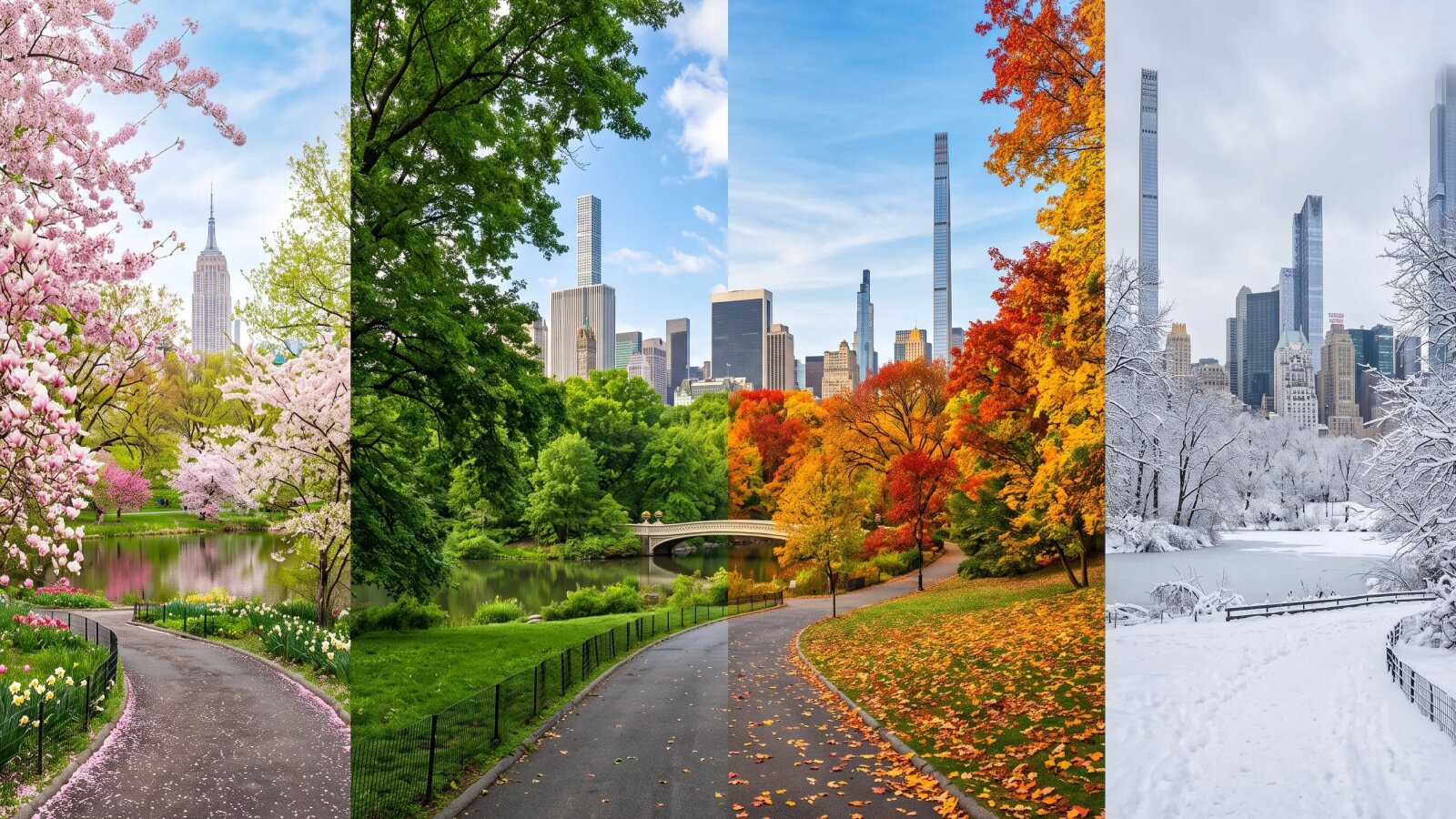
New York City is a true year-round destination whose atmosphere, visual appeal, and daily energy change dramatically with the seasons. There is no single month that suits every traveler:
- Spring and Fall (May, September, and October) generally deliver the most comfortable conditions for extended walking tours and outdoor sightseeing.
- Summer (June through August) brings long daylight hours, vibrant street festivals, and open-air concerts, but it also comes with high temperatures and intense summer humidity.
- Winter (December through February) transforms the city with iconic holiday decorations in late November and December. It then shifts into a quieter post-holiday period that can yield potential accommodation value, though accompanied by cold temperatures and unpredictable weather.
Ultimately, the best month to visit New York depends on your personal priorities. This month-by-month guide compares weather patterns, seasonal events, crowd trends, and booking considerations to help you select the ideal window for your trip.
When Is the Best Time to Visit New York?
The best time to visit New York for comfortable sightseeing is generally April to early June or September to October, when temperatures are typically milder than in midsummer and midwinter.
December is best for the Christmas atmosphere, while January and February suit travelers seeking quieter conditions and potential accommodation value. The right time depends on your budget, weather preferences, and preferred seasonal experiences.
| Travel Priority | Recommended Period | Main Trade-Off |
| Best overall weather | May, September, October | Strong accommodation demand and higher hotel rates |
| Spring scenery | April and May | Occasional rain and variable day-to-day temperatures |
| Summer events | June and early July | Summer heat, humidity, and peak school-holiday crowds |
| Fall foliage | Late October to early November | Peak demand; exact foliage timing varies annually |
| Christmas events | Late November to December | High hotel prices, cold weather, and dense holiday crowds |
| Potential hotel value | January and February | Cold, freezing temperatures, potential snow, and shorter daylight hours |
| Outdoor sightseeing | May, June, September, and October | Popular travel periods requiring early hotel reservations |
| Fewer leisure crowds | Mid-January to February | Cold weather; select seasonal outdoor attractions are closed |
New York Weather and Travel Seasons at a Glance
Before examining individual months, it helps to understand New York City’s climate and seasonal structure. Located in the Mid-Atlantic region, New York experiences four distinct seasons:
| NEW YORK CITY TRAVEL SEASONS | ||
| SHOULDER | PEAK | OFF-PEAK |
| Apr–May / Sep–Oct | Jun–Aug / Nov–Dec | Jan–Feb |
|
|
|
- Cold Winters: Winters bring cold average temperatures, biting winds along city grids, and the potential for snowfall or icy slush.
- Warm-to-Hot Summers: Summers are consistently warm to hot, featuring frequent heat waves and high humidity levels that make urban walking intense during midday hours.
- Variable Spring & Fall: Spring weather can be changeable, alternating between crisp mornings and warm, sunny afternoons. Early fall offers some of the most stable, comfortable conditions of the year.
- Year-Round Precipitation: New York City does not have a defined dry season. National Weather Service (NWS) climate normals for Central Park show average monthly precipitation holding relatively steady at roughly 3.2 to 4.6 inches throughout the year. Rainy days, passing thunderstorms, or winter precipitation can occur in any month.
- Microclimates & Outliers: Historical climate averages serve as a broad benchmark, but short-term forecasts can deviate significantly. Unusually warm days in late autumn or late-season snow flurries in early spring are always possible.
New York in January: Cold Weather and Post-Holiday Value

- Average High / Low: 39°F / 27°F (4°C / -3°C)
- Vibe: Quiet, brisk, budget-friendly
- Best For: Museumgoers, Broadway fans, budget-conscious travelers
January opens with final New Year’s celebrations before transitioning into one of the quietest periods on the visitor calendar. Daylight hours are short, and cold temperatures dominate, with frequent frost, wind-chill, and the potential for snow, ice, or rain.
Once post-holiday departure crowds leave after the first week, tourist levels drop sharply. This window brings improved hotel value across Manhattan and surrounding boroughs, with accommodation prices reaching some of their lowest points of the year.
It is an ideal month for indoor cultural exploration. Visitors can easily access major museums—such as The Met, MoMA, and the American Museum of Natural History, with minimal queuing. Promos like NYC Winter Outing (which packages NYC Restaurant Week, Broadway Week 2-for-1 tickets, and Must-See Week attraction discounts) often run during late January or early February. Ice skating rinks at Bryant Park, Rockefeller Center, and Wollman Rink in Central Park remain fully operational, while indoor shopping and winter post-holiday sales thrive. Pack thermal baselayers, insulated footwear, a heavy winter coat, and gloves.
New York in February: Winter Experiences and Fewer Crowds
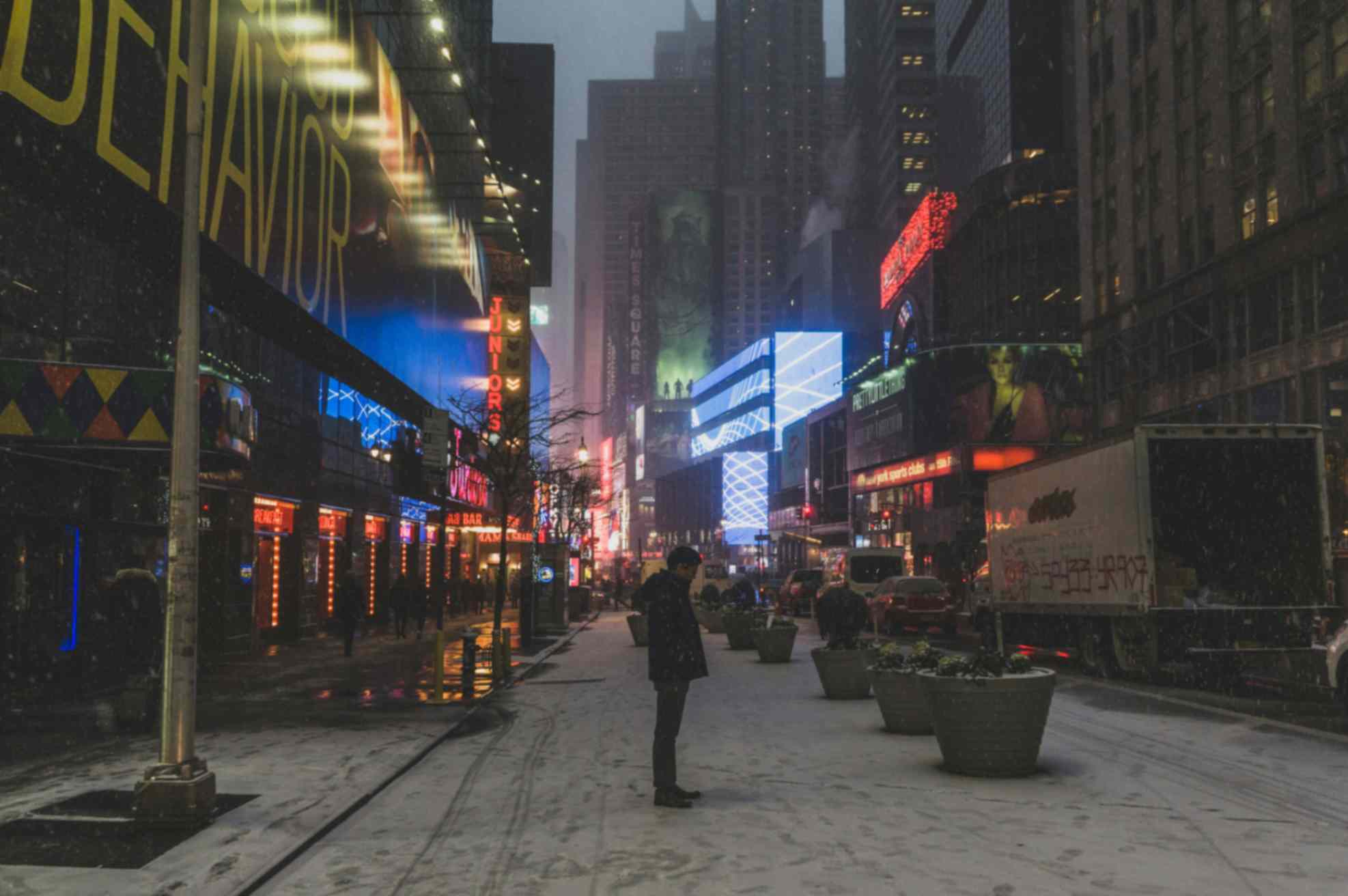
- Average High / Low: 42°F / 29°F (6°C / -2°C)
- Vibe: Intimate, chilly, culturally rich
- Best For: Theater lovers, romantic getaways, cultural parades
February remains solidly in the grip of winter, with cold average temperatures and historical potential for snowfall or slushy conditions. However, daylight hours begin to lengthen noticeably compared to December and January.
Crowd levels stay relatively low outside of specific event windows. Mid-month sees a temporary spike in travel around Valentine’s Day and Presidents’ Day weekend, but overall demand remains subdued. Major cultural draws include vibrant Lunar New Year celebrations, complete with parade festivities in Manhattan’s Chinatown and Flushing, Queens, alongside major fashion industry events like New York Fashion Week.
Visitors can take advantage of indoor food halls, cozy neighborhood bistros, world-class performance venues, and lingering hotel deals outside of major holiday weekends.
New York in March: Early Spring and Unpredictable Weather
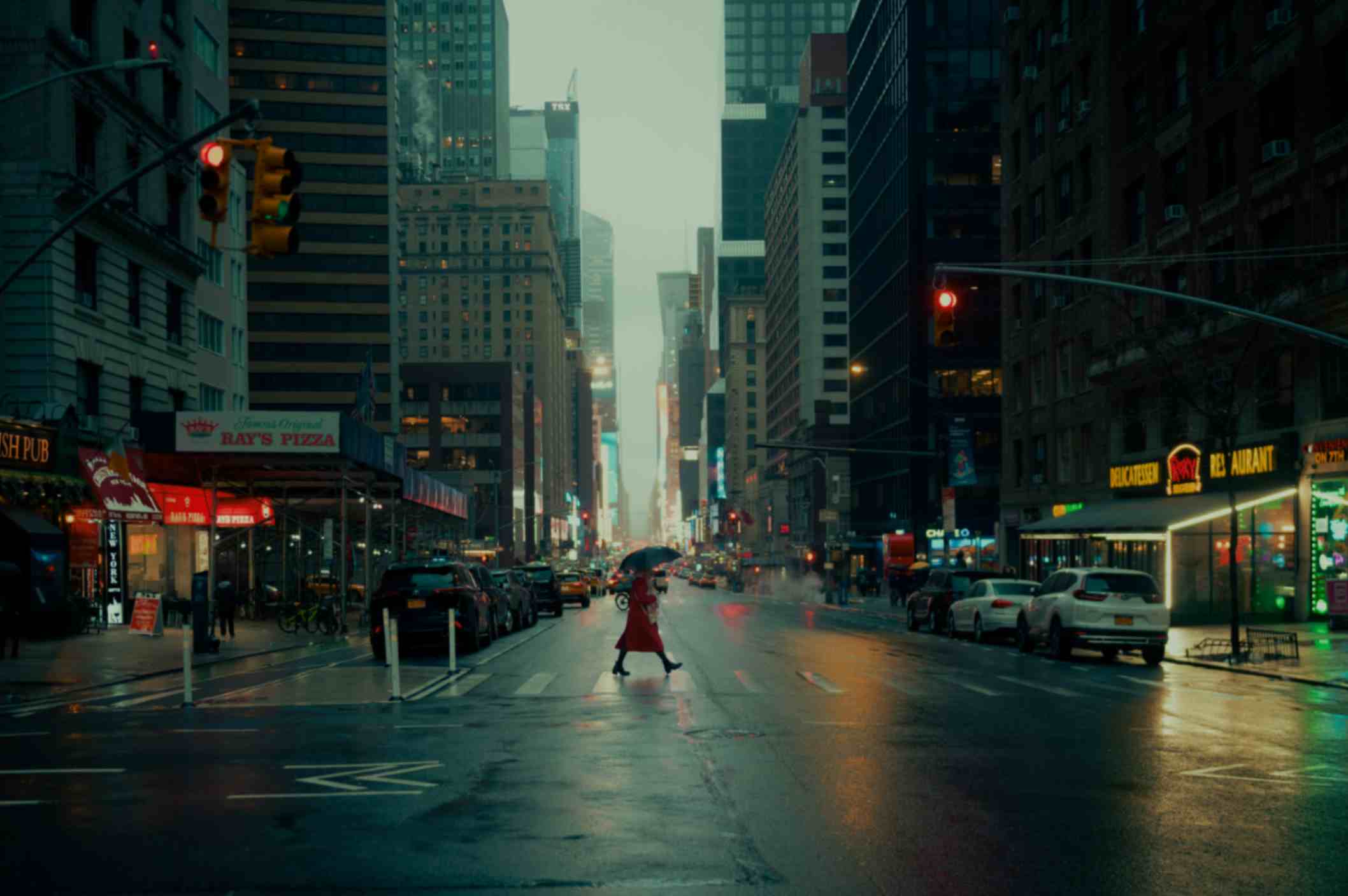
- Average High / Low: 51°F / 36°F (11°C / 2°C)
- Vibe: Transitional, evolving, energetic
- Best For: Flexible sightseers, parade spectators
March is a transitional month. While technically the start of spring, the weather remains highly unpredictable. Cold mornings, crisp winds, and occasional late-winter snow or cold rains occur alongside early warm spells.
Daylight Saving Time begins in mid-March, extending evening light and making late-afternoon city walks more inviting. The annual St. Patrick’s Day Parade along Fifth Avenue brings massive energy, music, and colorful crowds to Midtown. Early signs of spring bloom emerge in city parks toward the end of the month.
Because tourist demand has not yet hit its peak spring surge, March can offer a balance of moderate hotel rates and manageable lines at major observation decks.
New York in April: Spring Blooms and Comfortable Sightseeing
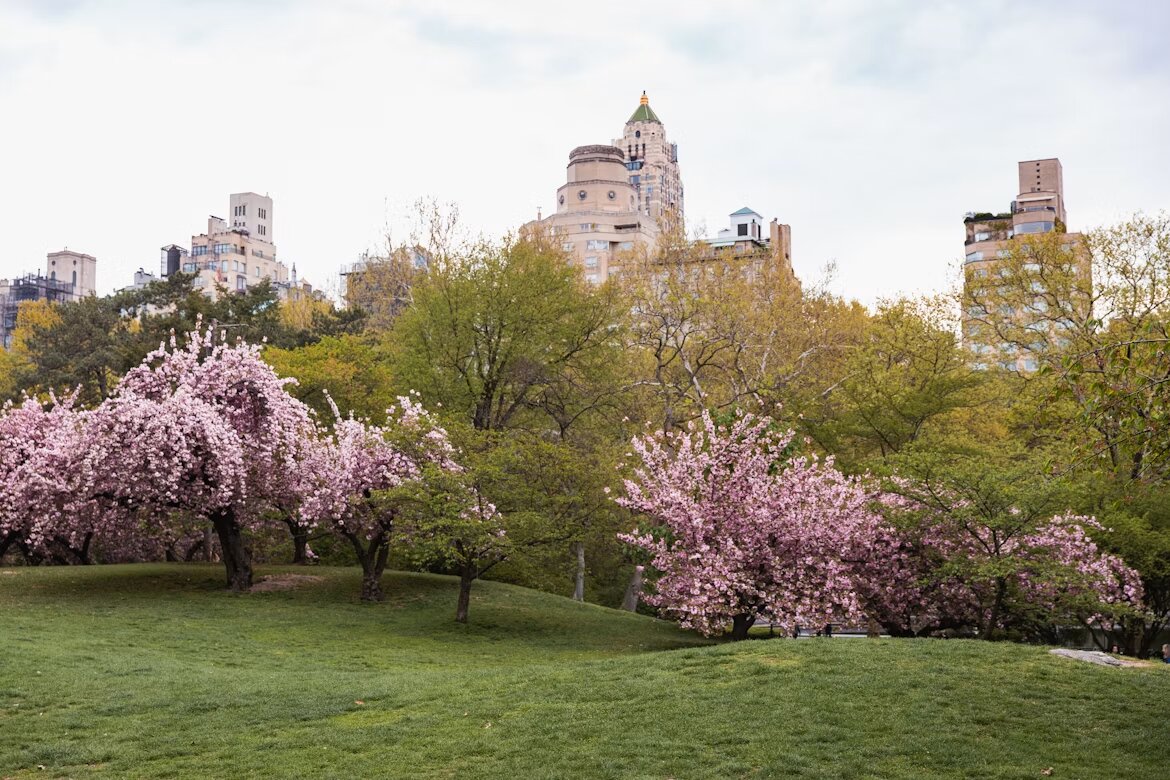
- Average High / Low: 61°F / 45°F (16°C / 7°C)
- Vibe: Fresh, colorful, active
- Best For: Park walks, botanical gardens, baseball fans
April marks the start of prime travel season in New York. Mild daytime temperatures return, making extended outdoor sightseeing far more comfortable.
City parks and botanical gardens come alive with spring blooms. Cherry blossoms, magnolias, and tulips blanket Central Park, the Brooklyn Botanic Garden, and the New York Botanical Garden in the Bronx. April also signals the kickoff of the Major League Baseball season at Yankee Stadium and Citi Field.
Daylight hours expand significantly, giving travelers plenty of time to explore outdoor attractions. However, hotel demand rises alongside the temperature, particularly during Easter and spring break periods. Unpredictable weather, ranging from brisk rain showers to sudden warm spells, requires layered clothing and rain gear.
New York in May: One of the Best Months for Sightseeing
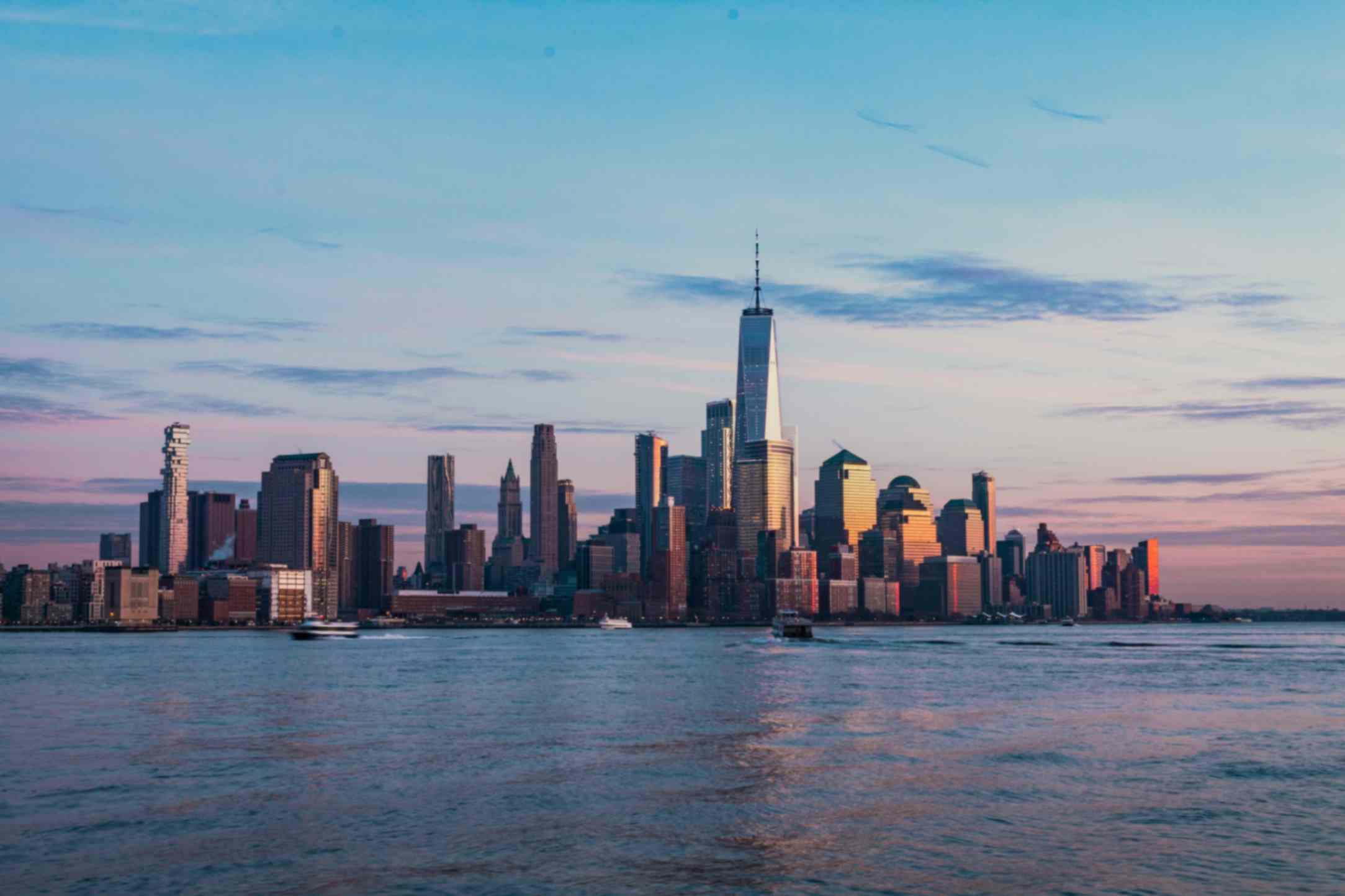
- Average High / Low: 71°F / 54°F (22°C / 12°C)
- Vibe: Vibrant, pleasant, outdoor-focused
- Best For: Walking tours, rooftop dining, waterfront strolls
May is widely considered one of the single best months to visit New York City. High temperatures average around 71°F (22°C), delivering warm, comfortable conditions without the intense humidity of midsummer.
Outdoor life takes center stage. Rooftop bars open for the season, sidewalk cafes fill up, and pedestrian landmarks like The High Line, the Brooklyn Bridge, and waterfront parks in DUMBO and Williamsburg offer ideal walking conditions. Cultural programming ramps up with street fairs, outdoor markets like Smorgasburg, and Fleet Week celebrations leading into Memorial Day weekend.
Demand for well-located hotels is high throughout May. Booking accommodation well in advance is essential to secure competitive rates.
New York in June: Long Days and Outdoor Events
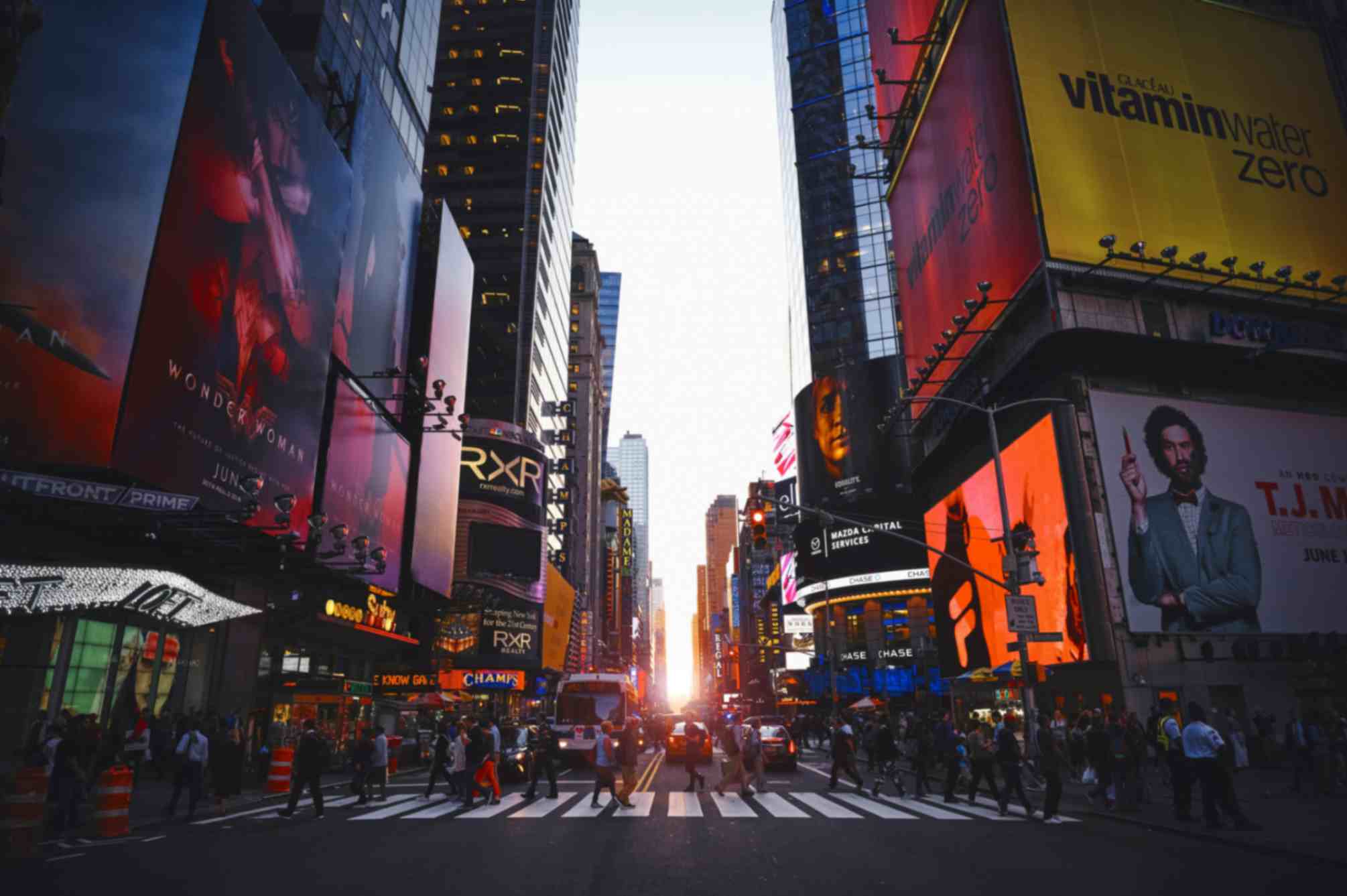
- Average High / Low: 79°F / 64°F (26°C / 18°C)
- Vibe: High-energy, festive, sun-soaked
- Best For: Summer festivals, Pride celebrations, island day-trips
June introduces full summer energy with long daylight hours; sunset extends past 8:30 PM near the summer solstice. Temperatures are warm, and humidity levels increase, but severe heat waves are less frequent than in July or August.
June features an extensive lineup of major outdoor events. The city hosts NYC Pride festivities culminating in the iconic March, film screenings at the Tribeca Festival, and free music and theater programming in public parks like Central Park SummerStage.
Ferries to Governors Island and Coney Island run full schedules, giving visitors quick access to beaches, bike paths, and waterfront amusements. School summer vacations begin toward late June, causing family leisure travel to rise.
New York in July: Festivals, Fireworks and Summer Heat
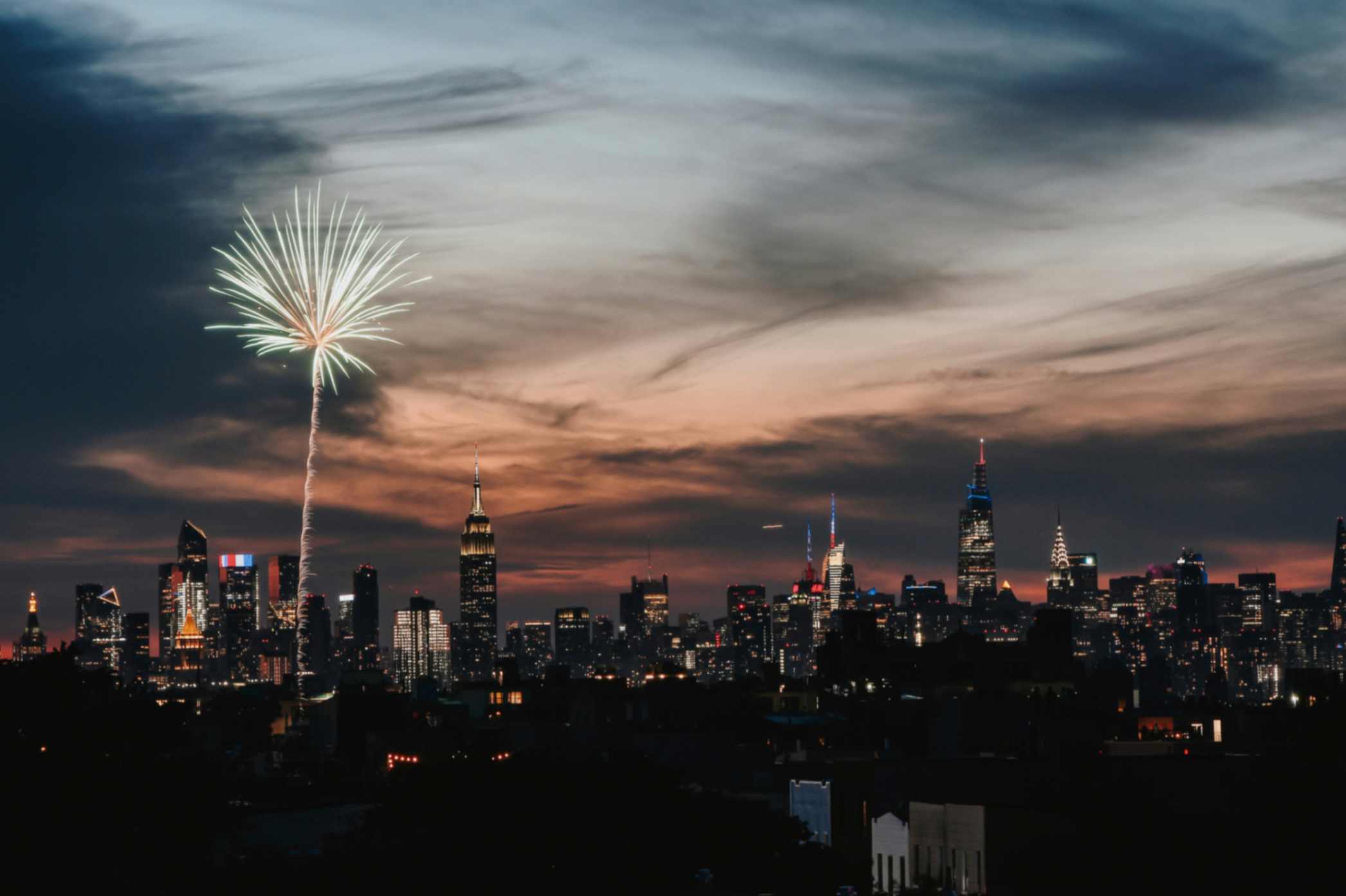
- Average High / Low: 84°F / 69°F (29°C / 21°C)
- Vibe: Bustling, warm, festive
- Best For: 4th of July events, rooftop nightlife, beach outings
July brings hot, humid summer weather, with midday temperatures frequently topping 85°F–90°F (29°C–32°C). High humidity can make urban walking demanding, and heavy late-afternoon thunderstorms are common.
Despite the heat, July is packed with summer action. The month opens with the Macy’s 4th of July Fireworks illuminating the skyline, while outdoor concert series, outdoor movie nights, and street fairs run throughout the month. Beaches at Coney Island and the Rockaways offer coastal escapes.
| SUMMER HEAT BEATING STRATEGY | |
| Morning (8 AM – 11 AM) |
|
| Midday / Early Afternoon (11 AM – 4 PM) |
|
| Late Afternoon / Evening (4 PM Onward) |
|
To manage summer heat: schedule walking tours for early morning or late evening, take advantage of air-conditioned museums, performance spaces, and retail centers during peak afternoon hours, and keep water on hand.
New York in August: Hot Weather and Late-Summer Culture

- Average High / Low: 83°F / 68°F (28°C / 20°C)
- Vibe: Relaxed urban pace, breezy evenings, sports-focused
- Best For: US Open tennis, outdoor evening dining, exploring outer boroughs
August shares July’s high heat and humidity, but the city’s overall rhythm shifts. Many local residents leave for summer vacations, giving business districts like Midtown and Wall Street a noticeably relaxed pace.
Late August sees the start of the US Open tennis tournament in Flushing Meadows–Corona Park, Queens, drawing sports fans from around the globe. Free outdoor movie series in Brooklyn Bridge Park and Bryant Park continue, and evening breezes along the Hudson and East River waterfronts make sunset dining popular.
Because business travel slows during late August, mid-tier hotel prices in commercial districts can occasionally offer better value than during peak spring or autumn months.
New York in September: Warm Weather and a Busy Cultural Calendar 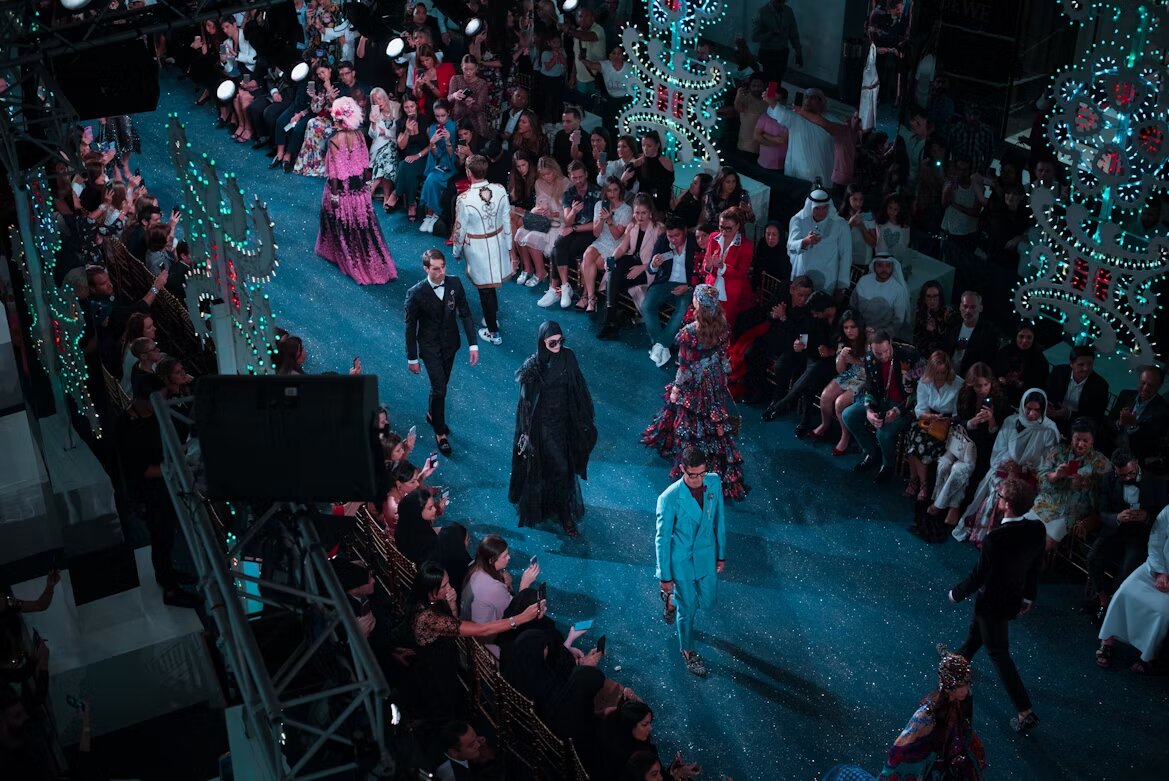
- Average High / Low: 76°F / 61°F (24°C / 16°C)
- Vibe: Stylish, sophisticated, bustling
- Best For: Fashion fans, theater premieres, prime walking conditions
September rivals May as a leading contender for the best month to visit New York City. Early-month heat gradually yields to crisp, warm, comfortable days with lower humidity, creating exceptional walking conditions.
The city’s cultural season restarts in full force. New York Fashion Week brings global media and style industry crowds, while Broadway debuts its autumn slate of new shows. Outdoor dining, rooftop lounges, and parks remain in full swing.
As business travel and global summits resume alongside holiday leisure travel, hotel demand spikes. Hotel rooms sell out quickly across Manhattan, making early bookings critical.
New York in October: Fall Weather, Halloween and City Walks
- Average High / Low: 64°F / 50°F (18°C / 10°C)
- Vibe: Atmospheric, festive, scenic
- Best For: Fall foliage, Halloween events, neighborhood strolls
October is one of the strongest overall travel months. Crisp temperatures averaging in the mid-60s°F (18°C) are ideal for long walks through historic neighborhoods like Greenwich Village, SoHo, and the Upper West Side.
By mid-to-late October, fall foliage transforms city parks. Central Park, Prospect Park, and Fort Tryon Park showcase deep golds, oranges, and reds against the urban backdrop.
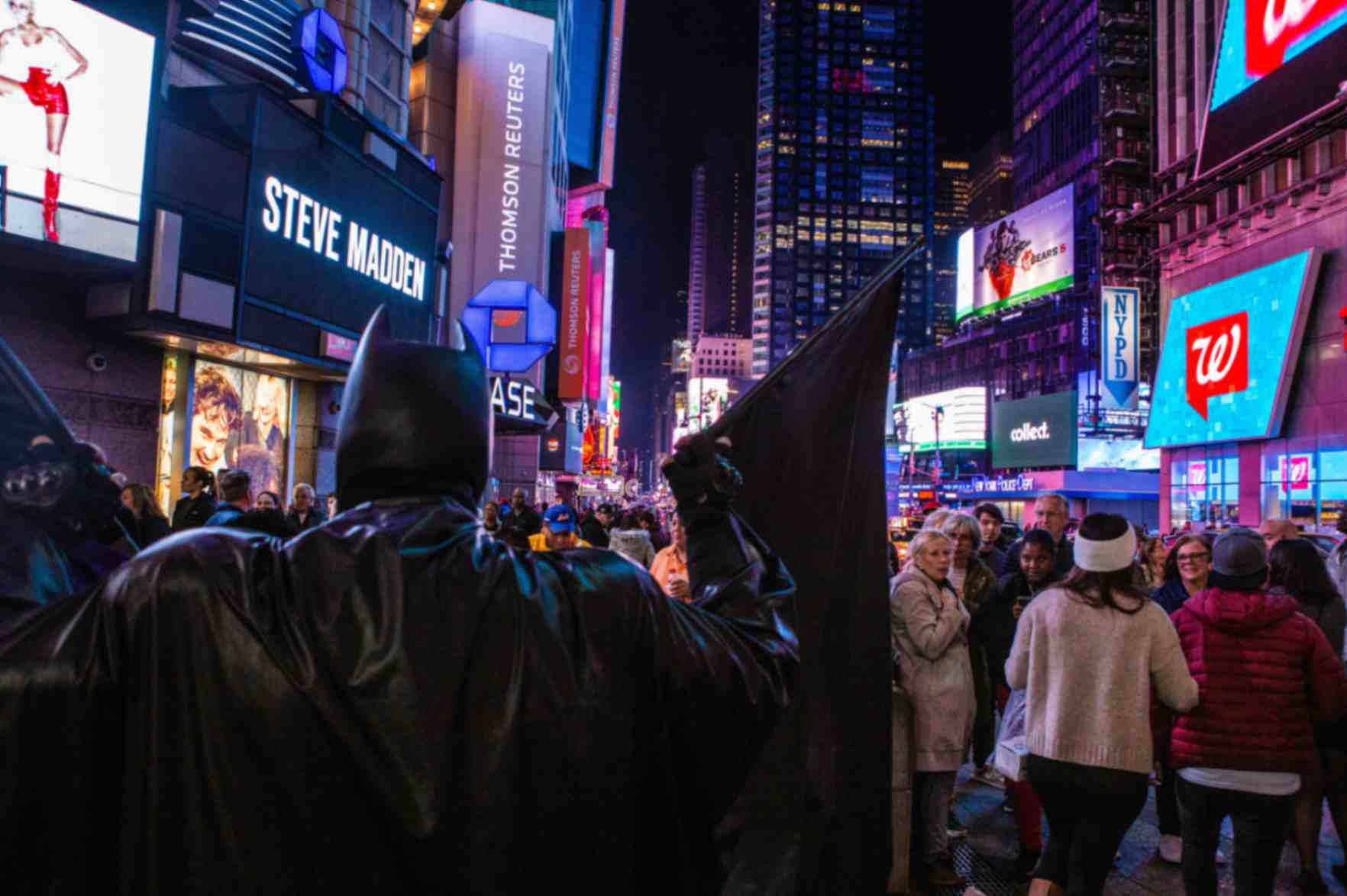
Seasonal festivities flourish throughout the month, with pumpkin displays, spooky food tours, and pop-up events culminating in the world-famous Village Halloween Parade on October 31. High visitor demand keeps hotel accommodation prices near annual peaks.
New York in November: Fall Color, the Marathon and Thanksgiving

- Average High / Low: 54°F / 42°F (12°C / 6°C)
- Vibe: Festive, brisk, expectant
- Best For: NYC Marathon, Thanksgiving parade, early holiday shopping
November transitions the city from late autumn into the opening acts of the holiday season. Temperatures cool rapidly, requiring warm coats and scarves, while late fall foliage lingers in early November.
The month starts with the world-famous New York City Marathon, where over 50,000 runners race through all five boroughs to cheering crowds. By mid-month, preparations for the holidays are underway. Outdoor holiday markets at Bryant Park, Union Square, and Columbus Circle open their doors.
The Macy’s Thanksgiving Day Parade ushers in late November with giant character balloons processing down Central Park West and Sixth Avenue. By Black Friday, flagship retail stores along Fifth Avenue reveal elaborate holiday window displays, and the Rockefeller Center Christmas tree arrives in Midtown ahead of its formal December lighting ceremony.
New York in December: Christmas Magic and Peak Holiday Demand
- Average High / Low: 44°F / 31°F (7°C / -1°C)
- Vibe: Magical, crowded, iconic
- Best For: Holiday lights, festive markets, New Year’s Eve
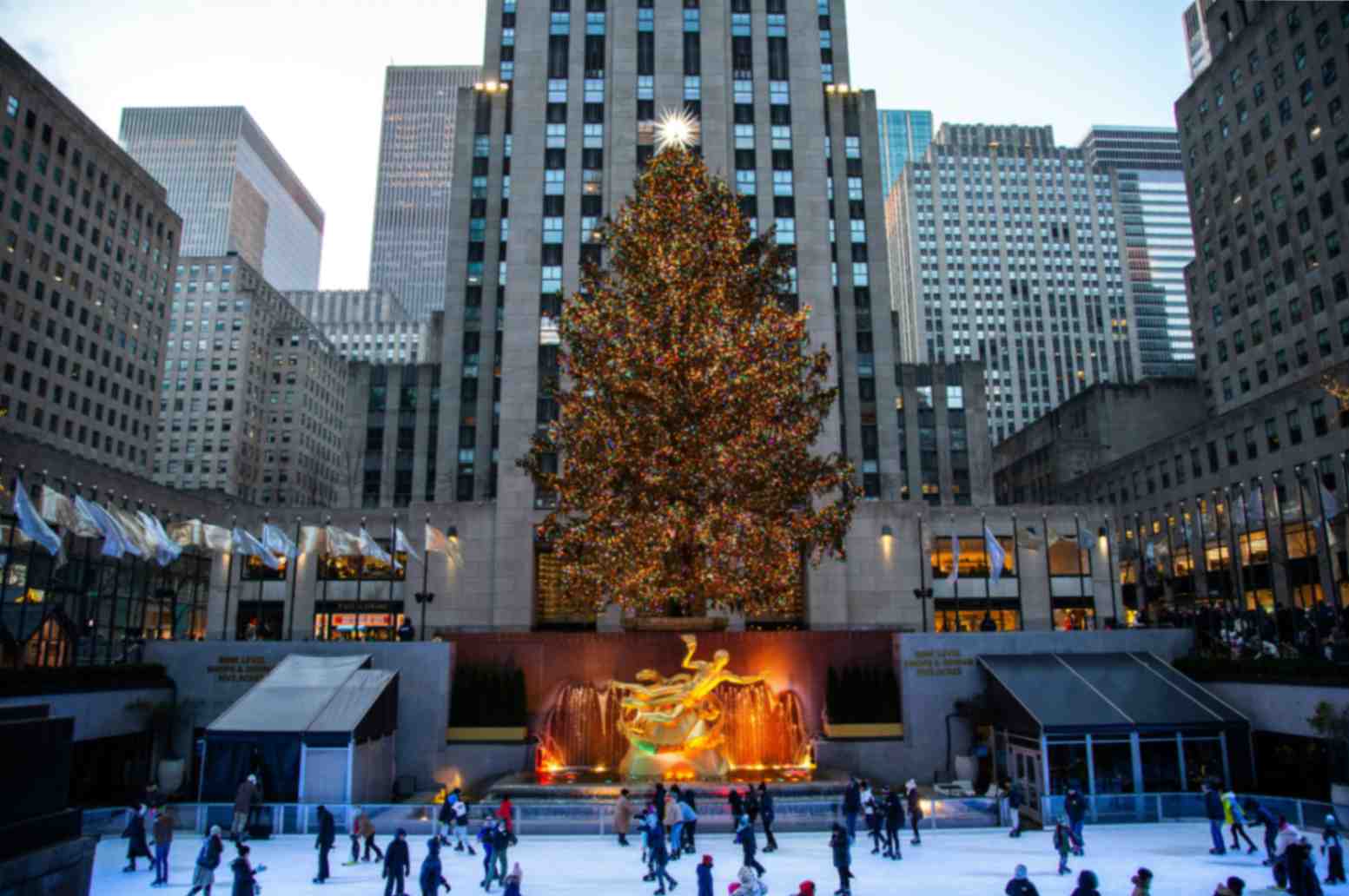
December transforms Manhattan into an iconic winter display. Key holiday sights include the illuminated Rockefeller Center Christmas tree, ice skating under city skyscrapers, Radio City Music Hall’s Rockettes Christmas Spectacular, and festive light displays in neighborhood precincts like Dyker Heights in Brooklyn.
The month reaches its peak with the historic Times Square Ball Drop on New Year’s Eve.
December delivers an unparalleled festive atmosphere, but it comes with notable trade-offs: cold temperatures, short days, dense tourist crowds in Midtown, and peak rates for hotel accommodations and flight bookings.
What Is the Best Season to Visit New York?
Each of New York’s four seasons offers distinct advantages and trade-offs depending on your budget, weather tolerance, and trip goals:
| SEASONAL TRADE-OFFS | ||
| Season | Primary Advantages | Key Trade-offs |
| Spring |
|
|
| Summer |
|
|
| Fall |
|
|
| Winter |
|
|
Best Time to Visit New York by Travel Style
Best Time for First-Time Visitors
- Recommended Months: May, September, or October
- Why: Mild, comfortable weather makes navigating subway lines, walking between landmarks, and orienting yourself across Manhattan far more enjoyable.
Best Time for Lower Prices
- Recommended Months: Mid-January through February (excluding Valentine’s Day/Presidents’ Day weekend)
- Why: Hotel occupancy dips after the holiday rush, leading to competitive room rates, restaurant promotions, and discounted theater ticketing.
Best Time for Fewer Crowds
- Recommended Months: Mid-January through February
- Strategy: Visit top attractions like observation decks, museums, and historic sites on weekday mornings. Explore quieter residential neighborhoods outside Midtown, such as Brooklyn Heights, Astoria, or the West Village.
Best Time for Families
- Recommended Months: April (spring break), June, or late November/December
- Why: Spring break and summer vacations align with school schedules and offer outdoor activities in parks and waterfront areas. November and December deliver unforgettable holiday experiences for kids, though crowds require careful planning.
Best Time for Broadway and Museums
- Recommended Months: January and February
- Why: Broadway theaters, world-class museums, indoor observation decks, and legendary dining spots operate year-round. Visiting during the winter off-peak window lets you enjoy indoor cultural attractions with shorter lines and discounted ticket promotions like NYC Broadway Week.
Best Time for Outdoor Activities
- Recommended Months: May, June, September, and October
- Why: These months offer ideal weather for biking the Hudson River Greenway, riding ferries to Governors Island, strolling across the Brooklyn Bridge, taking architectural boat tours, or enjoying picnic lunches in Central Park.
What Is the Cheapest Time to Visit New York?
The most budget-friendly window to visit New York City is during the winter off-peak period in January and February, extending into early March.
Following the departure of holiday crowds in early January, hotel occupancy rates dropped across Manhattan and outer boroughs, prompting properties to lower rates to attract visitors.
However, price fluctuations still occur within this low-demand season:
- Event Spikes: Hotel prices temporarily rise around Valentine’s Day, Presidents’ Day weekend, New York Fashion Week, and major citywide medical or industry conventions.
- Midweek vs. Weekend: Sunday-through-Thursday nights consistently offer lower rates than Friday and Saturday stays.
- Alternative Neighborhoods: Looking beyond Midtown Manhattan can yield substantial savings. Neighborhoods with fast, direct subway connections to Manhattan, such as Long Island City in Queens or Downtown Brooklyn, often provide modern accommodations at more attractive price points.
💡 Travala Tip: Always review total accommodation costs, including local hotel occupancy taxes and property facility fees, and evaluate flight and hotel costs together rather than relying on a single “cheapest month” estimate.
When Is New York Most Crowded?
New York experiences distinct surges in visitor volume throughout the year. The busiest periods include:
- Holiday Season: Mid-November through New Year’s Day (Thanksgiving, Christmas, and New Year’s Eve)
- Peak Autumn: September and October (driven by business travel, conventions, and fall foliage tourism)
- Spring & Summer Breaks: Easter/April spring break and mid-summer (July and August)
Crowding is also highly location-specific. Heavy tourist congestion concentrates in Midtown Manhattan around Times Square, Rockefeller Center, Fifth Avenue, Central Park South, and the Statue of Liberty ferries. Neighborhoods further downtown, such as Greenwich Village, SoHo, and Brooklyn, often feel far more manageable even during citywide peak travel weeks.
How Far in Advance Should You Book a New York Trip?
To secure optimal accommodations and availability, follow these general booking windows:
| TRIP PLANNING TIMELINE | |
| 6+ Months Ahead: Peak Travel Seasons | Reserve early for May, Sep, Oct, Thanksgiving & Dec holidays |
| 2–4 Months Ahead: Standard Travel Seasons | Lock in spring, summer, and autumn dates |
| 1–2 Months Ahead: Off-Peak Travel | Look for winter deals (Jan–Feb) & mid-week stays |
| Ongoing: Reservations & Logistics | Book Broadway shows, top dining, and observation decks |
- Peak Seasons (May, September, October, and December): Book hotel rooms and flights 4 to 6 months in advance. High demand during fall foliage and Christmas holiday periods causes desirable hotels to sell out early.
- Off-Peak Travel (January and February): Booking 1 to 2 months in advance is often sufficient to secure good availability and competitive rates.
- Flexible Bookings: Reserve refundable accommodation options when possible. This lets you lock in a rate while maintaining flexibility if your travel dates shift.
- Attractions & Dining: Top Broadway shows, timed-entry observation decks (such as SUMMIT One Vanderbilt or Edge), and Michelin-starred dining reservations open 30 to 60 days in advance and should be booked separately from hotel reservations.
Tips for Choosing Your New York Travel Dates
When finalizing your travel window, use this practical checklist to ensure a smooth trip:
- [ ] Define Your Priority: Decide whether your primary goal is comfortable walking weather, low accommodation costs, holiday decorations, or major cultural events.
- [ ] Compare Surrounding Dates: Check rates across multiple departure weeks; shifting your trip by even a few days can deliver substantial savings.
- [ ] Check Citywide Event Calendars: Be aware of major citywide events (e.g., UN General Assembly in late September or the NYC Marathon in November) that cause temporary hotel price spikes.
- [ ] Factor in Daylight Hours: Remember that December days offer under 9.5 hours of daylight, whereas June provides over 15 hours for outdoor exploration.
- [ ] Build a Weather-Flexible Itinerary: Ensure your daily schedule includes a mix of outdoor walks and indoor contingencies (museums, indoor markets, performance venues) in case of rainy or hot weather.
- [ ] Look at Midweek Stays: Schedule stays from Sunday through Thursday to avoid peak weekend hotel room rates.
- [ ] Plan Sightseeing by Neighborhood: Group your daily activities geographically to reduce subway travel time and maximize time spent exploring.
Plan Your New York City Stay with Travala
Choosing the right time and the right base is essential to make your trip to New York as memorable as possible.

With access to over 3 million travel products worldwide, Travala allows you to easily find the perfect hotels, flights, car rentals, and activities for your New York trip, all on a single platform.
- Explore Top Neighborhoods: Compare curated hotels, boutique stays, and luxury properties across Manhattan, Brooklyn, and Queens.
- Flexible Payment Options: Book your flights and accommodations with over 100 cryptocurrencies like Bitcoin, Ethereum, Solana, and stablecoins like USDT and USDC, alongside traditional credit cards.
- Smart Booking: Reserve early for high-demand seasons like October and December to lock in availability, or browse winter promotions for off-peak value stays.
Book today and explore more destinations to visit in New York City!
START YOUR CRYPTO TRAVEL JOURNEY NOW!
[Book Travel] | [Loyalty Program]
Frequently Asked Questions About the Best Time to Visit New York
What is the best month to visit New York?
May, September, and October offer the best balance of weather and activities. May features mild temperatures and blooming parks without summer heat. September brings warm days, low humidity, and the start of the new cultural season. October delivers crisp air and vibrant fall foliage across Central Park, making it ideal for walking tours.
What is the cheapest month to visit New York?
January and February are typically the most budget-friendly months for a New York City trip. As tourist volume drops after the holidays, hotels often reduce room rates and offer deals like NYC Restaurant Week and Broadway Week. However, rates can still rise around Valentine’s Day, Presidents’ Day weekend, or major conventions.
When is New York least crowded?
New York sees its lowest tourist volume during the post-holiday winter period, especially mid-January through February. While iconic landmarks like Times Square and top observation decks remain active year-round, streetscapes, subways, and popular restaurants are noticeably quieter than during spring, summer, or holiday peaks.
Is New York better in spring or fall?
Both seasons offer exceptional sightseeing conditions:
- Spring (April–May): Brings blooming cherry blossoms, fresh park greenery, and lengthening daylight hours.
- Fall (September–October): Delivers stable, crisp walking weather, brilliant autumn foliage, and the debut of new Broadway shows and cultural events.
Is summer a good time to visit New York?
Summer is great for travelers seeking long daylight hours, free outdoor concerts, rooftop dining, and beach trips to Coney Island. However, July and August bring high summer heat, intense humidity, and sudden afternoon thunderstorms, making midday outdoor sightseeing tiring without air-conditioned breaks.
Is New York worth visiting in winter?
Yes. December features iconic holiday window displays, Christmas markets, and ice skating at Bryant Park and Rockefeller Center. January and February offer quiet, budget-friendly access to world-class museums, Broadway shows, and cozy dining with shorter lines and lower hotel prices.
When does it snow in New York?
Snow in New York is possible from late fall through early spring, with the highest chances occurring in January and February. However, snow accumulation varies significantly each year, meaning a snow-covered trip can never be fully guaranteed for specific travel dates.
What is the rainiest month in New York?
New York City has no distinct dry season. Precipitation is spread evenly throughout the year, with National Weather Service Central Park normals showing monthly averages between 3.2 and 4.6 inches. Because variations are small, rainy days can occur during any month.
When is New York most expensive?
New York reaches peak accommodation prices during the holiday season from Thanksgiving through New Year’s Eve, as well as high-demand spring (May) and fall (September–October) periods. Major conventions, trade shows, and sporting events can also trigger unexpected price spikes throughout the year.
How many days do you need in New York?
A trip of 4 to 7 days is ideal for first-time visitors to see major landmarks, explore diverse neighborhoods across Manhattan and Brooklyn, take in a Broadway show, and visit top museums without feeling overly rushed.
What is the best time to see Christmas decorations in New York?
The best window is from late November (just after Thanksgiving) through December. During this period, Fifth Avenue store windows, neighborhood light displays, and holiday markets are fully active, though exact tree lightings and display dates vary annually.
What is the best time to see fall foliage in Central Park?
Peak fall foliage in Central Park typically occurs between late October and early November. Trees showcase rich golden and red hues, though the exact peak shifts every year based on late-summer temperatures and rainfall patterns.
