

Air travel is back in full force, and 2025 is set to be another record-breaking year. But not all months are equal when it comes to flying. Global data shows that some periods see airports, airlines, and skies busier than ever, while others are surprisingly quiet. For travelers, knowing when air traffic peaks around the world can mean the difference between a smooth trip and long queues at security as well as big differences in cost.
Key Findings
- August remains the busiest month globally, with August 2, 2024, recorded as the single busiest day for air travel, with over 19.2 million airline seats available.
- July is another global high point, with IATA reporting demand up 4% year-on-year in July 2025 and load factors hitting 85.5%.
- May and June often mark early peaks, particularly for transatlantic routes, with record-breaking summer demand in 2024.
- December sees a global surge in passenger numbers as holiday travel drives one of the year’s busiest seasons.
- Regional differences matter: while the Northern Hemisphere peaks in summer, destinations in the Southern Hemisphere (e.g. Argentina, Australia) see higher volumes in December–February.
- Hong Kong and other Asian hubs show October as a secondary peak, linked to Golden Week holidays and regional festivals.
When Air Travel Peaks Globally
Global air passenger demand isn’t steady year-round. IATA data shows strong peaks in May–August, a sharp rise again in December, and quieter troughs in January–March and September–November.
- Summer (June–August): The Northern Hemisphere drives global traffic, especially with transatlantic routes seeing record-breaking capacity.
- December holidays: Both hemispheres see spikes — winter breaks in the north, and summer vacations in the south.
- Shoulder peaks: May and October show significant regional surges linked to school holidays and festivals.
Historical Highs: Record-Breaking Travel Days
While air travel is consistently seasonal, certain days stand out:
- August 2, 2024: The busiest day in aviation history with 19.2 million available seats globally.
- July 2023: IATA recorded a post-pandemic surge with international demand nearly returning to 2019 levels.
- December 2019: The last pre-pandemic holiday peak, when airports across Europe and the US hit record passenger throughput.
These historical milestones show how predictable seasonal peaks, summer and December, continue to define global aviation.
Regional Peaks in Air Travel
| Region | Peak Months | Key Drivers |
| North America | June-August, December | Summer vacations, Thanksgiving, and Christmas travel |
| Europe | June-August | Summer holidays, Mediterranean tourism season |
| Asia-Pacific | July-August, October, December | Summer school breaks, Golden Week, Lunar New Year build-up |
| Latin America | December-February | Southern hemisphere summer, Carnival in Feb |
| Middle East | June-August, December | Transit hub demand, Eid vacation surges |
| Africa | July-August, December | Safari season, vacation traffic |
City-Level Case Studies
Hong Kong: Golden Week and Summer Surges

Hong Kong is a prime example of how cultural calendars shape aviation peaks. The city experiences major traffic spikes in July and August, as regional tourists arrive during school breaks, and again in October, when Golden Week brings an influx of mainland Chinese travelers. Airlines often increase capacity during these months, while hotel prices climb accordingly. For those looking to avoid the crowds, November or March are far more relaxed periods to visit.
London: Summer Holidays Drive Demand
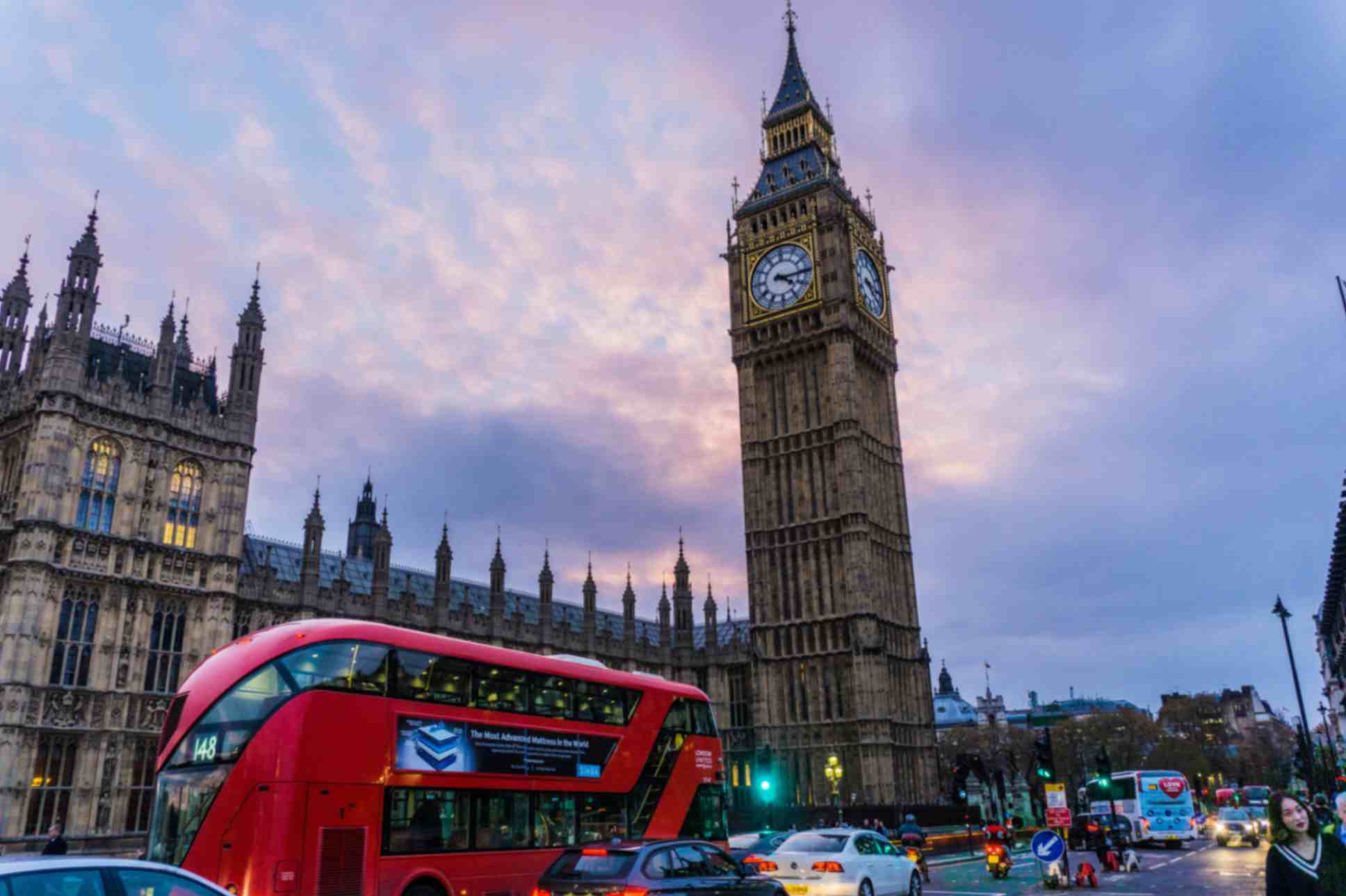
As one of the busiest hubs in the world, London’s airports, including Heathrow, Gatwick, and Stansted, hit their highest volumes in July and August. The UK’s long school break and the August Bank Holiday contribute to packed departure halls and higher fares, particularly for European and North American routes. While summer offers great weather for sightseeing, travelers who visit in September or October can enjoy lower fares and fewer crowds while still catching pleasant conditions.
New York: Double Peaks in Summer and December

New York City, home to JFK, LaGuardia, and Newark, sees consistent demand year-round, but traffic peaks twice: first in June–August, when domestic tourism and international arrivals surge, and again in December, when the city’s holiday attractions draw visitors from around the world. Flights and hotels are at their most expensive around Christmas and New Year, while early spring or late autumn offer budget-friendly alternatives without sacrificing the city’s vibrant energy.
Sydney: Southern Hemisphere Summer Travel

Sydney provides a Southern Hemisphere counterpoint to Northern trends. The city’s air traffic climbs sharply in December–February, aligned with Australia’s summer and the Christmas–New Year travel season. Domestic routes to holiday destinations and international arrivals from Europe and Asia make Sydney’s busiest period. By contrast, May and June bring quieter airports and cheaper fares, making them ideal for travelers seeking value.
The Traveler Experience During Peak Season
Longer Queues and Busier Airports
During peak travel months, airports can feel like organised chaos. Security checkpoints, immigration lines, and boarding gates often take significantly longer to clear, with major hubs like Heathrow or JFK reporting record throughput in July and December. Travelers should build extra time into their itineraries to avoid missed flights or stressful dashes to the gate.
Higher Ticket Prices and Limited Availability
Airlines know when demand is high, and pricing reflects it. Fares in July, August, and December can be 30–50% more expensive than shoulder-season flights, with popular routes like London–New York or Sydney–Auckland selling out weeks in advance. Travelers who leave bookings to the last minute risk limited availability or inconvenient flight times.
Packed Aircraft and Full Flights
Load factors often exceed 85% during global peaks, meaning flights are fuller and upgrades harder to secure. This can translate to crowded cabins and less flexibility for seat selection. For comfort, booking early or opting for premium economy can make a big difference.
Busier Tourist Attractions at Destinations
The travel experience doesn’t end at the airport. Popular destinations like Paris, New York, and Tokyo see museums, restaurants, and attractions at capacity during summer and holiday peaks. For those who dislike crowds, exploring early in the morning, booking timed entry tickets, or choosing off-the-beaten-path sights can help reclaim some breathing room.
Off-Peak vs Peak: What Travelers Gain and Lose
- Peak Travel: Guarantees lively destinations, festival atmospheres, and school-holiday convenience, but comes at a cost in time and money.
- Off-Peak Travel: Offers cheaper fares, quieter airports, and fewer crowds — but may mean missing seasonal events or facing less reliable weather.
The Future of Air Travel Seasonality
Climate Change and Shifting Tourist Seasons
Rising global temperatures are already reshaping travel habits. Heatwaves in traditional summer hotspots, such as southern Europe, are prompting tourists to travel in spring and autumn instead. As destinations adapt to climate realities, peak demand may gradually shift away from July–August toward cooler shoulder months.
The Rise of Remote and Flexible Work
The growth of digital nomadism and hybrid work is reducing reliance on traditional vacation periods. With more workers free to travel outside school breaks, airlines are seeing steadier demand throughout the year. This could help smooth out traditional peaks, though major events and school holidays will continue to drive traffic surges.
Stablecoins, CBDCs, and Seamless Payments
In parallel with shifting travel seasons, the way we pay for travel is evolving. Stablecoins and central bank digital currencies (CBDCs) could make cross-border payments cheaper and faster, encouraging more spontaneous international trips. Platforms like Travala, which already support over 100 cryptocurrencies, are well-positioned to enable this shift.
Environmental Policies and Flight Caps
Governments are increasingly looking at sustainability measures, such as limiting short-haul flights, introducing carbon levies, or imposing airport slot caps. These could redistribute demand to trains or alternative routes, changing seasonal traffic flows. For instance, fewer intra-European flights in summer might concentrate demand on long-haul routes.
A More Evenly Distributed Future?
While peak seasons will never disappear, the long-term trajectory points toward less extreme peaks and troughs. Flexible work, evolving climates, and global infrastructure investment will smooth some of the pressure off the busiest months, though summer and December will likely remain the core seasons for generations of travelers.
Tips for Booking Smarter
- Book early for peak months: For July–August or December, secure flights 3–6 months ahead.
- Target shoulder seasons: April–May and September–October offer a balance between value and weather.
- Travel midweek: Tuesdays and Wednesdays see lower fares and fewer crowds.
- Use flexible search tools: Travala’s flight search and hotel booking let you compare dates to save.
Methodology
This analysis draws on a range of sources, including:
- IATA Air Passenger Market Reports (2024–2025) for monthly and annual passenger demand data.
- OAG airline capacity data identifies August 2, 2024, as the busiest day in aviation history.
- AirspaceEconomy & Business Travel News on passenger growth trends.
- Academic research for city-level insights.
- Additional airline scheduling and industry reports for seasonal trends.
About Travala

Travala is the world’s leading blockchain-based travel booking platform, offering access to more than 3 million travel products globally, including hotels, flights, and activities. Built with the traveler in mind, Travala combines competitive prices with the freedom to pay in traditional currencies or over 100 leading cryptocurrencies.
With exclusive deals, a loyalty rewards program, and a mission to make travel more accessible, Travala empowers users to discover the world and book their perfect trip with ease.
Discover the best hotels worldwide and book your next stay at Travala.com.
